
Blog
The Ultimate Guide to Choosing a Carbon Steel Pizza Pan
Buying Guide
Find Your Perfect Carbon Steel Pizza Pan
A carbon steel pizza pan is a game-changer for home bakers who crave that crispy, golden crust. Whether you’re a novice or a seasoned pizzaiolo, the right pan can elevate your homemade pizza experience.
Why Choose a Carbon Steel Pizza Pan?
When it comes to baking pizza at home, the material of your pan matters. A carbon steel pizza pan heats up quickly and evenly, giving you a beautifully browned crust with a satisfying crunch. Unlike aluminum, carbon steel retains heat better and develops a natural non-stick seasoning over time, similar to cast iron but lighter and more responsive.
Many professional pizzaiolos swear by carbon steel for its ability to mimic the high heat of a brick oven. The pan’s conductivity ensures your pizza cooks uniformly, avoiding soggy centers or burnt edges. Plus, carbon steel is durable and can last a lifetime with proper care.
Key Factors to Consider When Buying
Before you purchase a carbon steel pizza pan, consider these essential features:
- Size: Choose a diameter that fits your oven and the number of servings. Common sizes range from 5 to 9 inches for personal pizzas, and larger for family meals.
- Thickness: Thicker pans (around 1-2mm) provide better heat retention and resist warping at high temperatures.
- Non-Stick Coating: Some pans come with a non-stick coating, but traditional carbon steel relies on seasoning. Uncoated pans develop a natural patina that improves with use.
- Handles: Look for pans with sturdy, stay-cool handles for easy maneuvering in and out of the oven.
How to Season Your Carbon Steel Pizza Pan
Seasoning is the process of baking oil onto the pan’s surface to create a non-stick layer. Here’s a simple method:
- Wash the pan with warm soapy water and dry thoroughly.
- Apply a thin layer of high-smoke-point oil (like flaxseed or canola) all over the pan, including the bottom.
- Place the pan upside down in a preheated oven at 450°F (232°C) for one hour. Place a baking sheet on the lower rack to catch drips.
- Let it cool in the oven. Repeat this process 2-3 times for best results.
Once seasoned, your pan will become increasingly non-stick with each use. Avoid cooking acidic foods like tomato sauce for extended periods, as they can strip the seasoning.
Baking Tips for Perfect Pizza
To get the most out of your carbon steel pizza pan, follow these tips:
- Preheat the pan in the oven for at least 10 minutes before adding the pizza. This ensures a crispy bottom crust.
- Use a moderate amount of cornmeal or semolina on the pan to prevent sticking—especially if your seasoning is still developing.
- Bake at the highest temperature your oven allows (usually 500°F/260°C) for a classic Neapolitan-style crust.
- Let the pizza rest for a few minutes after baking to allow the cheese to set.
Cleaning and Maintenance
Proper care extends the life of your carbon steel pizza pan. Here’s how to clean it:
- Allow the pan to cool completely before washing.
- Hand wash with mild soap and a soft sponge. Avoid abrasive scrubbers that can damage the seasoning.
- Dry immediately with a towel or place on a low-heat burner to prevent rust.
- Apply a light coat of oil after each wash to maintain the seasoning.
If rust appears, scrub it off with fine steel wool and re-season the pan. With consistent care, your pan will develop a dark, glassy patina that rivals any non-stick surface.
Comparing Carbon Steel with Other Materials
Understanding how carbon steel stacks up against other pizza pan materials helps you make an informed choice:
- Carbon Steel vs. Cast Iron: Both offer excellent heat retention, but carbon steel is lighter and heats up faster. Cast iron is more prone to rust but holds heat longer.
- Carbon Steel vs. Aluminum: Aluminum is lightweight and heats quickly, but it can warp at high temperatures and doesn’t develop a seasoning. Carbon steel is more durable and provides better browning.
- Carbon Steel vs. Stone: Pizza stones absorb moisture for a crispier crust, but they are heavy and can crack. Carbon steel is more forgiving and easier to store.
Common Mistakes to Avoid
Even experienced bakers can make errors with carbon steel pans. Avoid these pitfalls:
- Using high heat without preheating the pan—this can cause uneven cooking.
- Skipping the seasoning step—an unseasoned pan will stick and rust.
- Washing with soap too often—it can strip the seasoning. Rinse with hot water and a brush for routine cleaning.
- Storing the pan while still damp—always dry thoroughly to prevent rust.
Where to Find Quality Carbon Steel Pizza Pans
When shopping for a carbon steel pizza pan, look for reputable brands that offer solid construction and good value. Many kitchen supply stores carry them, and online retailers provide a wide selection. For more on the science of baking with carbon steel, check out this Wikipedia article. Remember, a well-chosen pan is an investment in countless delicious pizzas.
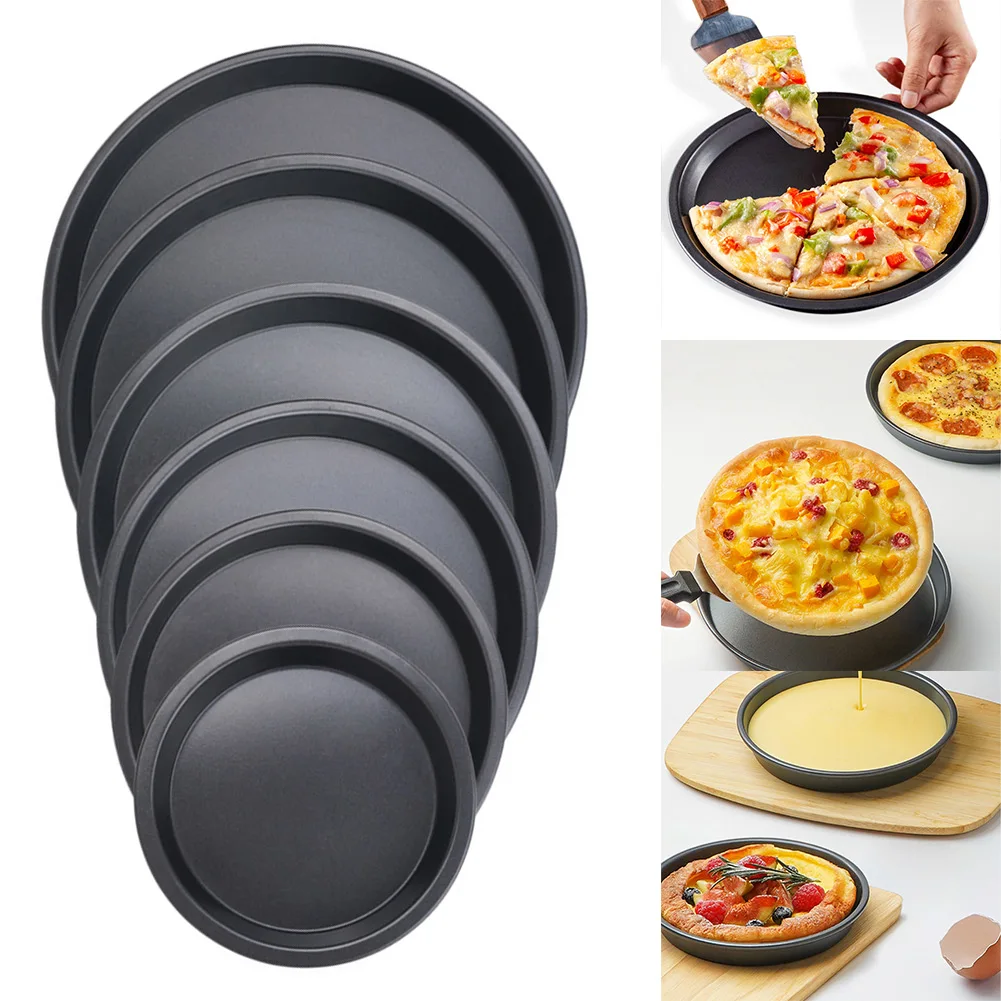
5/6/7/9 Inch Non-Stick Pizza Trays Round Pizza Pan Plate Mold Carbon Steel Baking Oven Tool Baking Mould Tray Bakeware
For a versatile and reliable option, consider the 5/6/7/9 Inch Non-Stick Pizza Trays Round Pizza Pan Plate Mold Carbon Steel Baking Oven Tool, which offers multiple sizes and a non-stick coating for easy release.
Frequently asked questions
Is a carbon steel pizza pan better than a pizza stone?
It depends on your preference. Carbon steel heats faster and is more durable, while stone absorbs moisture for extra crispiness. For convenience and even heating, carbon steel is a great choice.
Can I use a carbon steel pizza pan on a grill?
Yes, carbon steel pans are oven-safe up to high temperatures and can be used on grills. Just ensure the pan is seasoned to prevent sticking.
How do I remove rust from my carbon steel pizza pan?
Scrub the rust with fine steel wool or a scouring pad, then wash and dry thoroughly. Re-season the pan immediately to protect the surface.
What size carbon steel pizza pan should I buy?
For personal pizzas, 5-7 inches is ideal. For sharing, 9 inches or larger works well. Consider your oven size and typical serving needs.
