
Blog
The Ultimate Bread Loaf Pan Buying Guide
Baking Essentials
How to Choose the Best Bread Loaf Pan
Choosing the right bread loaf pan can make or break your homemade loaf. Whether you’re a beginner or a seasoned baker, understanding the options helps you bake consistently perfect bread every time.
Why the Right Bread Loaf Pan Matters
A bread loaf pan is more than just a container—it shapes your bread, conducts heat, and affects the crust. The wrong pan can lead to uneven baking, burnt edges, or a doughy center. Investing in a quality pan ensures your loaves rise evenly and develop a beautiful golden crust.
Materials: Choosing Between Metal, Glass, and Silicone
Each material has unique properties:
- Metal pans (aluminum, steel, or carbon steel) heat quickly and evenly, producing a crisp crust. They’re durable and often have non-stick coatings.
- Glass pans heat slowly but retain heat well, resulting in softer crusts. They’re great for breads that need longer baking times.
- Silicone pans are flexible and non-stick, but they may not brown the crust as well. They’re lightweight and easy to store.
For most home bakers, a metal pan offers the best balance of performance and durability. Consider anodized aluminum for even heating and resistance to warping.
Size and Capacity: What Dimensions Fit Your Recipes
Standard bread loaf pans come in two sizes: 8.5 x 4.5 inches (1 pound) and 9 x 5 inches (1.5 pounds). The larger size is more versatile, accommodating recipes that yield taller loaves. Check your recipe’s recommended pan size to avoid overflow or flat loaves. If you bake often, having both sizes is handy.
Non-Stick Coatings: Pros and Cons
Non-stick coatings make releasing bread effortless, but they can wear over time. High-quality coatings from reputable brands last longer. Avoid metal utensils that can scratch the surface. Uncoated pans require greasing and flouring but can develop a natural patina with use. Some bakers prefer uncoated for a better crust.
Understanding Heat Conductivity and Crust Formation
The material’s heat conductivity directly impacts crust. Darker pans absorb more heat, producing a darker, thicker crust. Light-colored pans reflect heat, yielding a softer crust. For a classic sandwich loaf, a medium-colored metal pan works well. For artisan-style bread with a thick crust, a dark pan is ideal.
Care and Maintenance Tips for Longevity
To extend your pan’s life:
- Avoid sudden temperature changes (don’t put a hot pan in cold water).
- Wash with mild soap and a soft sponge; avoid abrasive cleaners.
- Dry thoroughly to prevent rust (especially with uncoated steel).
- Store nested with a paper towel between pans to protect coatings.
For more on baking science, check out this Wikipedia article on baking.
Our Recommendation: A Versatile Non-Stick Option
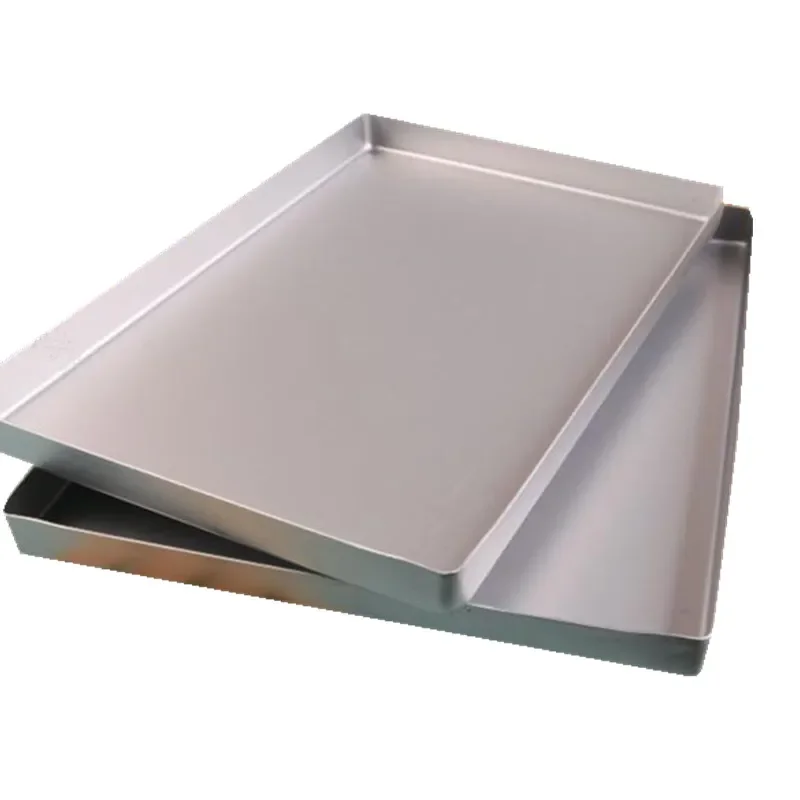
If you’re looking for a reliable pan that performs well for everyday baking, consider the Rectangle Bread Cake Mold Non-stick Baking Tray Oven Rectangular Pastry Kitchen Cookie Baking Bakeware Tray bakery tools. It offers even heat distribution and easy release, making it a practical choice for both new and experienced bakers.
Rectangle Bread Cake Mold Non-stick Baking Tray Oven Rectangular Pastry Kitchen Cookie Baking Bakeware Tray bakery tools
For a reliable, non-stick option that delivers consistent results, the Rectangle Bread Cake Mold Non-stick Baking Tray Oven Rectangular Pastry Kitchen Cookie Baking Bakeware Tray bakery tools is a solid choice for everyday baking.
Frequently asked questions
What size bread loaf pan should I buy?
Standard sizes are 8.5×4.5 inches (1 lb) and 9×5 inches (1.5 lbs). The 9×5 is more versatile for most recipes.
Can I use a glass pan instead of metal?
Yes, but expect a softer crust and longer baking time. Adjust oven temperature by 25°F lower to prevent overbrowning.
How do I prevent bread from sticking?
Grease the pan thoroughly with butter or oil, then dust with flour. Non-stick pans reduce the need for greasing.
Why does my bread loaf pan rust?
Rust occurs when the pan is not dried properly after washing. Always hand dry immediately. Some pans are dishwasher safe but check manufacturer instructions.
