
Blog
The Ultimate Silicone Cake Mold Buying Guide
Baking Guide
Find the Perfect Silicone Cake Mold
When you’re looking for a silicone cake mold, flexibility and non-stick properties top the list. This guide helps you pick the right one for your baking needs.
Why Choose a Silicone Cake Mold?
Silicone bakeware has revolutionized home baking. Unlike metal pans, a silicone cake mold is flexible, making it easy to pop out delicate cakes without breaking them. They’re also naturally non-stick, so you can reduce or even skip greasing. Plus, silicone withstands temperatures from -40°F to 450°F, suitable for freezing and baking alike.
Key Features to Look For
Not all silicone molds are equal. Here’s what to check:
- 100% food-grade silicone – Avoid fillers that can leach chemicals.
- Thick walls – Thinner molds may tear or warp.
- Flexibility – Should bend easily without cracking.
- Heat tolerance – At least 446°F (230°C) for baking.
According to Wikipedia, silicone is inert and safe for food contact when properly manufactured.
How to Use a Silicone Cake Mold
Using a silicone cake mold is straightforward. Place it on a baking sheet for stability (it’s floppy when empty). No greasing needed, but a light spray can help with very sticky batters. Bake as usual, then let cool before unmolding. The flexibility lets you invert and push the bottom to release.
Cleaning and Care
Hand wash with warm soapy water; most are dishwasher safe but top rack recommended. Avoid sharp utensils that could cut the surface. Dry thoroughly before storing. With care, a quality silicone cake mold lasts for years.
Creative Uses Beyond Cake
Silicone molds aren’t just for cakes. Use them for:
- Chocolate bonbons and truffles
- Jelly and gelatin desserts
- Ice cream popsicles
- Soap or candle making
Common Mistakes to Avoid
Don’t overfill – silicone can warp with too much batter. Avoid direct contact with heating elements. Don’t use metal utensils on the surface. And remember: a silicone cake mold needs support when moving to the oven.
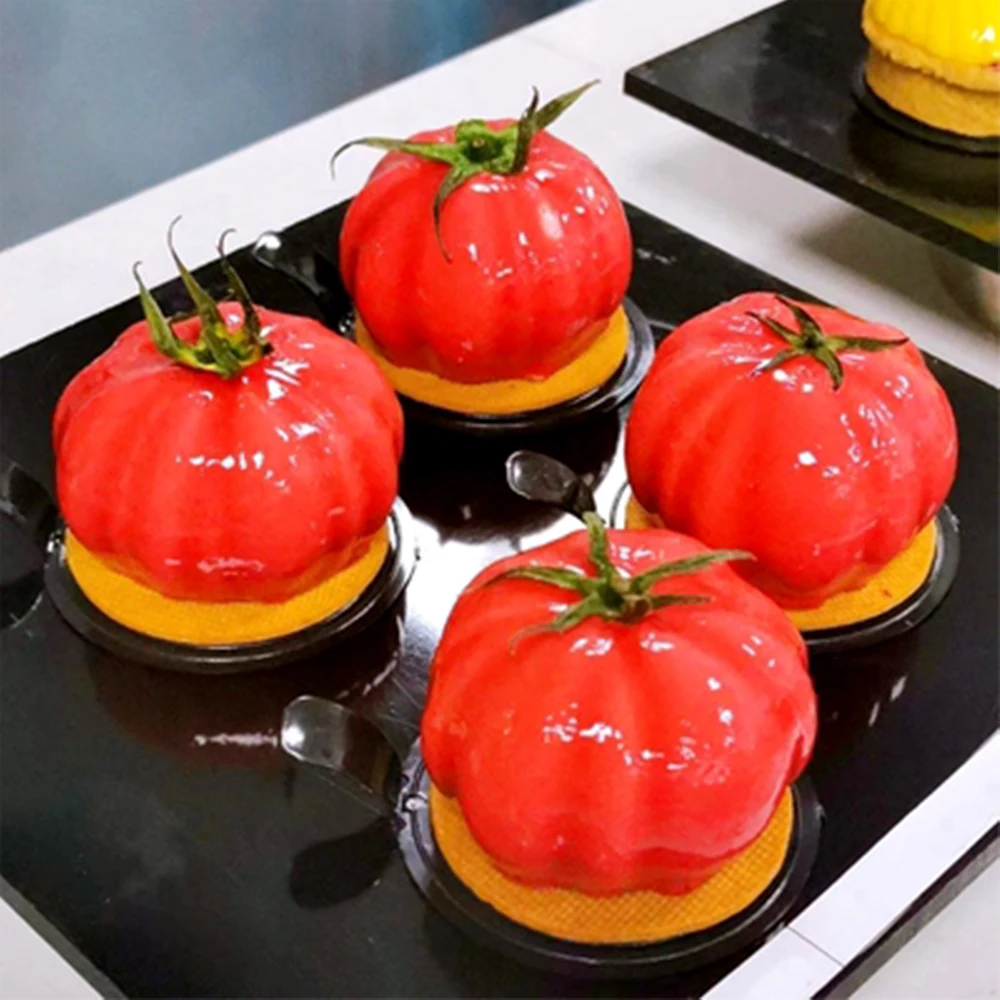
6 cell Tomato Silicone Cake Mold Halloween Pumpkin Chocolate Mousse Ice Cream Jelly Pudding Dessert Bakeware Pan Decorating Tool
For a versatile option, consider the 6-cell Tomato Silicone Cake Mold Halloween Pumpkin Chocolate Mousse Ice Cream Jelly Pudding Dessert Bakeware Pan Decorating Tool, which handles everything from cakes to frozen treats.
Frequently asked questions
Is silicone safe for baking?
Yes, food-grade silicone is FDA-approved for temperatures up to 450°F. It’s non-toxic and doesn’t react with food.
Do I need to grease a silicone cake mold?
Generally no, but a light spray can help release very sticky batters. The non-stick surface usually suffices.
Can I use a silicone mold in the microwave?
Yes, most silicone molds are microwave-safe, but check the manufacturer’s guidelines for temperature limits.
How do I remove baked goods from a silicone mold?
Allow to cool, then gently flex the mold and push from the bottom. You can also refrigerate for easier release.
