
Blog
The Ultimate Guide to Choosing a Nonstick Baking Tray
Baking Essentials
Find Your Ideal Nonstick Baking Tray
A quality nonstick baking tray can transform your baking experience, ensuring even browning and effortless release of cookies, pastries, and more. Whether you’re a beginner or a seasoned baker, the right tray makes all the difference.
Why a Nonstick Baking Tray Matters
A nonstick baking tray is a kitchen essential for anyone who loves to bake. It eliminates the need for excessive greasing or parchment paper, saving time and reducing frustration. The coating helps delicate items like cookies or macarons slide off without breaking, and it makes cleanup a breeze—just a quick wipe with a sponge. Additionally, a well-made nonstick surface promotes even heat distribution, preventing burnt bottoms or undercooked centers.
However, not all nonstick trays are created equal. Factors like material, coating quality, and construction affect performance and longevity. Understanding these aspects will help you invest in a tray that lasts for years.
Key Features of a Great Nonstick Baking Tray
When shopping for a nonstick baking tray, consider these features:
- Material: Aluminum trays offer excellent heat conduction, while steel provides durability. Look for heavy-gauge options to resist warping.
- Coating: High-quality nonstick coatings, such as those reinforced with ceramic or PTFE, are safer and more durable. Avoid cheap coatings that may peel or scratch easily.
- Design: Rolled edges prevent the tray from twisting, and a slight lip helps contain spills. A smooth, flat surface ensures even baking.
- Size: Standard half-sheet pans (18×13 inches) fit most ovens, but smaller trays are handy for toaster ovens or batch baking.
For more on baking pan materials, check out this Wikipedia article on baking pans.
How to Care for Your Nonstick Baking Tray
To extend the life of your nonstick baking tray, avoid using metal utensils that can scratch the surface. Instead, opt for silicone, wood, or nylon tools. Hand washing with a soft sponge and mild detergent is gentler than the dishwasher, which can degrade the coating over time. Never use abrasive cleaners or scouring pads. Also, avoid stacking heavy items on top of the tray, as that can cause scratches. When storing, place a paper towel between trays to protect the nonstick layer.
Even with proper care, nonstick coatings eventually wear out. Signs it’s time for a replacement include visible peeling, flaking, or food sticking despite greasing. A well-maintained tray typically lasts 3–5 years with regular use.
Types of Nonstick Baking Trays
Nonstick baking trays come in various shapes and sizes for different tasks:
- Sheet Pans: Versatile for cookies, roasting vegetables, and baking sheet cakes. Look for ones with a reinforced rim.
- Jelly Roll Pans: Shallow with a small lip, ideal for thin cakes and Swiss rolls.
- Mini Loaf Pans: Perfect for individual breads, meatloaves, or brownies. A nonstick coating ensures easy removal.
- Specialty Pans: Such as square or rectangular trays with lids, great for baking bread or making homemade cake boxes. These often double as storage containers.
If you enjoy baking bread or layered desserts, a covered nonstick tray can be a game-changer, allowing you to bake and transport in one vessel.
Choosing the Right Size and Shape
Consider what you bake most often. For cookies and pastries, a standard half-sheet pan is versatile. For breads or pound cakes, a loaf pan is essential. A square or rectangular tray with a lid is excellent for moist cakes or brownies that need to stay fresh. The nonstick coating ensures your creations release cleanly, maintaining their shape. Measure your oven before purchasing to ensure the tray fits with room for air circulation.
If you have a small oven, look for compact options like mini baking trays. These are also great for portion control or baking for one.
Nonstick vs. Traditional Baking Trays
Traditional uncoated baking trays require greasing or lining with parchment paper to prevent sticking. While they can last indefinitely, they often result in uneven browning and more cleanup. Nonstick trays offer convenience and consistent results, but the coating can wear over time. For most home bakers, a high-quality nonstick baking tray is worth the investment for the time saved and the ease of release. If you bake infrequently, a traditional tray with parchment might suffice, but for regular use, nonstick is superior.
Remember to preheat your nonstick tray empty for even heat distribution, but avoid overheating empty nonstick pans as some coatings can degrade at very high temperatures (above 500°F).
Top Tips for Perfect Baking with Nonstick Trays
Even with a nonstick tray, a few tips can improve your results:
- Let the tray cool before washing to prevent warping.
- Use a light spray of oil or butter for extra insurance, especially for sticky batters.
- Do not cut food directly on the tray; use a cutting board to avoid scratches.
- Rotate the tray halfway through baking for even browning if your oven has hot spots.
With these practices, your nonstick baking tray will serve you well for many batches of cookies, pastries, and more.
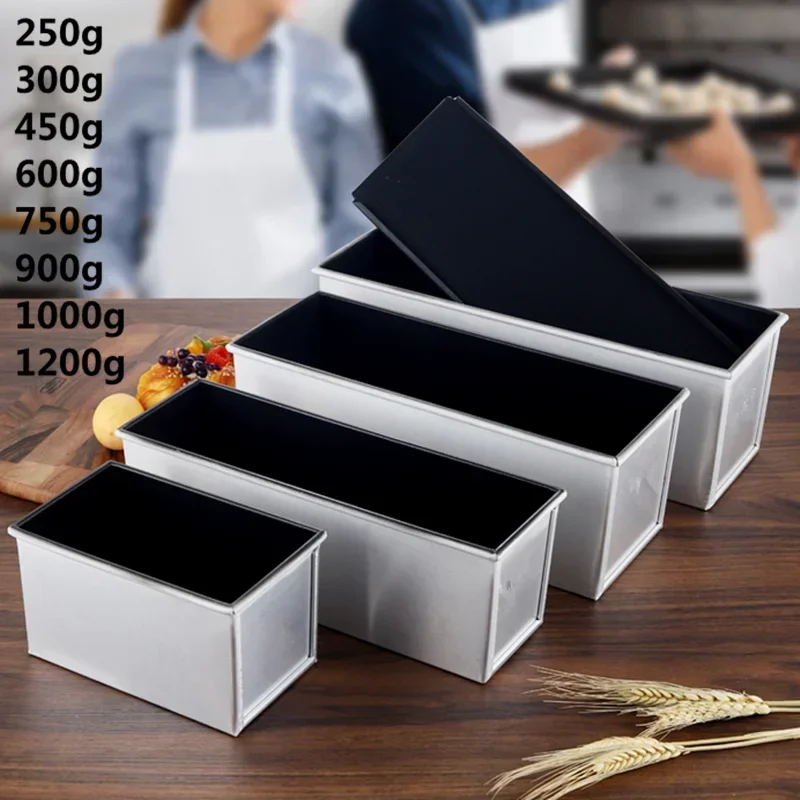
Square toast Bread Baking Tray Cake box Mold with Lid Aluminum Alloy Non-stick Pan Mini Baking Tray Baking Box Diy Cake Bakeware
For a versatile option, consider the Square toast Bread Baking Tray Cake box Mold with Lid Aluminum Alloy Non-stick Pan Mini Baking Tray Baking Box Diy Cake Bakeware, which doubles as a baking and storage solution.
Frequently asked questions
Can I use metal utensils on a nonstick baking tray?
It’s best to avoid metal utensils as they can scratch the nonstick coating. Use silicone, wood, or nylon tools instead.
How do I clean a nonstick baking tray without damaging it?
Hand wash with a soft sponge and mild detergent. Avoid abrasive cleaners and the dishwasher, which can degrade the coating.
Why does my nonstick baking tray still stick sometimes?
Over time, the coating can wear off. Also, some recipes may require a light greasing. If sticking persists, it may be time for a new tray.
What is the best material for a nonstick baking tray?
Aluminum is popular for its heat conductivity, but steel offers durability. Look for heavy-gauge trays to prevent warping.
