
Blog
The Ultimate Guide to Choosing a Rectangular Baking Pan
Baking Essentials
Find Your Perfect Rectangular Baking Pan
A rectangular baking pan is a versatile kitchen staple, perfect for everything from brownies to roasted vegetables. Choosing the right one can elevate your baking and cooking experience.
Why a Rectangular Baking Pan Belongs in Every Kitchen
A rectangular baking pan is one of the most versatile tools you can own. It’s ideal for baking sheet cakes, lasagnas, and even for roasting vegetables or meats. Its shape allows for even heat distribution and efficient use of oven space. Whether you’re a beginner or a seasoned baker, having a reliable rectangular pan in your arsenal makes a difference.
Materials Matter: Which Rectangular Baking Pan is Best?
The material of your rectangular baking pan affects heat conduction, durability, and cleaning. Common options include:
- Aluminum: Heats evenly and is lightweight, but can warp at high temperatures.
- Stainless Steel: Durable and non-reactive, but may have hot spots if not clad with aluminum.
- Non-Stick Coated: Easy release and cleanup, but coating can scratch over time.
- Cast Iron: Excellent heat retention, but heavy and requires seasoning.
For most home bakers, a heavy-gauge aluminum or stainless steel pan with a non-stick coating offers the best balance. Learn more about baking materials on Wikipedia’s baking article.
Size Matters: Choosing the Right Dimensions for Your Rectangular Baking Pan
Rectangular baking pans come in standard sizes: 9×13 inches is the most common, but 8×8 and 10×15 are also popular. Consider your typical recipes: a 9×13 pan works for most sheet cakes and casseroles, while smaller pans are great for brownies or toaster ovens. Depth is also important—deeper pans prevent overflow for dishes like lasagna.
Key Features to Look for in a Quality Rectangular Baking Pan
When shopping, check for these features:
- Reinforced rolled edges: Prevent warping and make handling easier.
- Even thickness: Ensures consistent baking.
- Easy-grip handles: Helpful when the pan is hot.
- Dishwasher safety: For effortless cleanup.
Tips for Maintaining Your Rectangular Baking Pan
To extend the life of your pan, avoid metal utensils on non-stick surfaces, hand wash when possible, and store with a protective liner between pans to prevent scratches.
How to Use Your Rectangular Baking Pan for Perfect Results Every Time
For even baking, always preheat your oven and place the pan in the center rack. Grease or line with parchment paper for easy release. If using a glass pan, reduce oven temperature by 25°F to prevent over-browning. Let your baked goods cool in the pan for 10 minutes before transferring to a wire rack.
Rectangular Baking Pan vs. Other Shapes: When to Choose Rectangular
While round pans are great for cakes, a rectangular baking pan offers more surface area for even layers. It’s also better for bar cookies, brownies, and single-layer cakes. For roasting, the rectangular shape allows vegetables to spread in a single layer, promoting caramelization.
In summary, a rectangular baking pan is a must-have for any kitchen. Its versatility and efficiency make it a top choice for bakers and cooks alike.
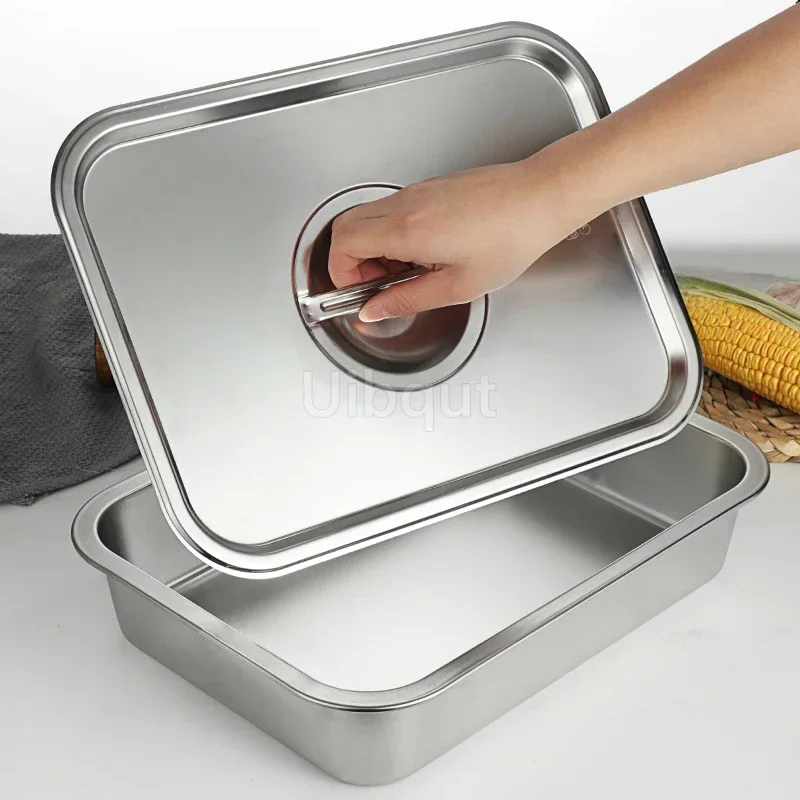
stainless steel plate tray rectangular square oven tray baking pot dish deep Japanese barbecue bbq cafeteria Storage trays
For a durable and versatile option, consider our stainless steel plate tray that doubles as a baking pot for Japanese BBQ and storage.
Frequently asked questions
What is the standard size of a rectangular baking pan?
The most common standard size is 9×13 inches, but 8×8 and 10×15 inches are also popular depending on the recipe.
Can I use a rectangular baking pan for roasting vegetables?
Absolutely! Its shape allows vegetables to spread in a single layer, promoting even browning and caramelization.
How do I prevent my rectangular baking pan from warping?
Choose a pan with reinforced rolled edges and avoid sudden temperature changes, like placing a hot pan under cold water.
Is a non-stick rectangular baking pan safe to use?
Yes, as long as you use non-metal utensils and avoid high heat above 450°F to prevent coating degradation.
