
Blog
The Essential Japanese Cake Pan Guide for Home Bakers
Baking Guide
Find Your Perfect Japanese Cake Pan
The Japanese cake pan is the secret to achieving those light, airy confections that define Japanese baking. Whether you’re a novice or a pro, choosing the right pan makes all the difference.
Why Choose a Japanese Cake Pan?
Japanese baking is known for its delicate textures and precise techniques. A Japanese cake pan is specifically designed to help you achieve the soft, fluffy crumb that characterizes favorites like castella, chiffon, and roll cakes. Unlike standard pans, these often feature non-stick coatings, even heat distribution, and unique shapes that enhance the final product.
Types of Japanese Cake Pans
Understanding the different types of Japanese cake pans will help you select the right one for your recipe.
Castella Cake Pan
Castella is a sponge cake with a fine, moist crumb. Traditional castella pans are wooden or metal boxes, but modern versions are often metal with a non-stick coating. They are typically square or rectangular with straight sides.
Chiffon Cake Pan
Chiffon cakes require a tube pan with a removable bottom to support the airy structure. Japanese chiffon pans are often aluminum for superior heat conduction, and they have a non-stick surface for easy release.
Roll Cake Pan
Swiss roll or roll cakes need a shallow, rectangular pan. Japanese roll cake pans are often rimless or have low sides, making it easy to roll the cake without cracking. Many come with a silicone mat or parchment liner.
Madeleine Pan
Madeleines are small scalloped cakes. Japanese madeleine pans are typically metal with a non-stick coating, ensuring even browning and easy release. They come in various sizes.
Materials and Construction
The material of your Japanese cake pan affects baking performance.
- Aluminum: Excellent heat conductor, lightweight, and affordable. May react with acidic ingredients.
- Carbon Steel: Durable and heats evenly, but requires seasoning to prevent rust.
- Non-Stick Coating: Makes release effortless, but can scratch. Use silicone or wooden utensils.
- Silicone: Flexible and non-stick, but may not brown as well. Best for delicate cakes.
Size and Shape Considerations
Japanese cake pans come in various sizes. For castella, a 20×20 cm square pan is common. Chiffon pans often have a 17 cm diameter. Roll cake pans are typically 25×30 cm. Choose a size that fits your recipe and oven.
Tips for Baking with a Japanese Cake Pan
To get the best results from your Japanese cake pan:
- Always grease and flour or line with parchment, even if non-stick.
- Use room temperature ingredients for a uniform batter.
- Do not overmix the batter to avoid a dense cake.
- Bake on the center rack for even heat distribution.
- Cool upside down for chiffon cakes to prevent collapse.
Cleaning and Maintenance
Proper care extends the life of your Japanese cake pan. Hand wash with mild detergent and a soft sponge. Avoid abrasive cleaners. Dry immediately to prevent rust. Store in a dry place.
Where to Find Quality Japanese Cake Pans
Many online retailers offer authentic Japanese cake pans. Look for brands that specialize in bakeware. For more information on Japanese baking, visit Wikipedia’s page on Japanese cake.
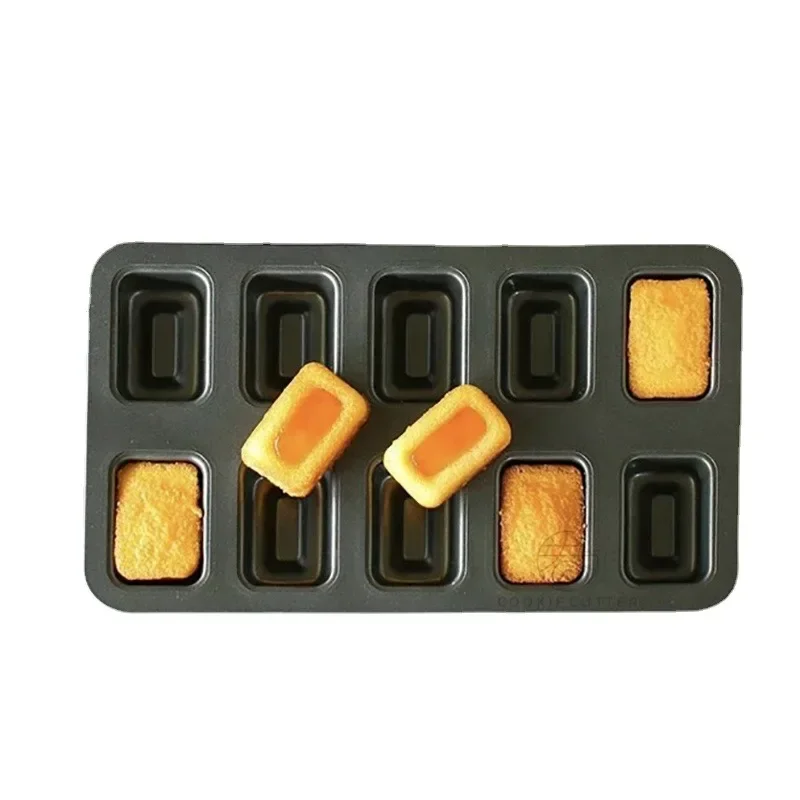
Japanese Cake Baking Tray Metal Baking Mold 10-Piece Bakeware Madeline Cake Fisher South Pound Cake Bakery Kitchen Accessories
For a versatile start, the Japanese Cake Baking Tray Metal Baking Mold 10-Piece Bakeware set includes pans for madeleines, pound cakes, and more, making it a practical addition to your kitchen.
Frequently asked questions
What is a Japanese cake pan?
A Japanese cake pan is a baking pan designed specifically for Japanese-style cakes like castella, chiffon, and roll cakes. They often have non-stick coatings, even heat distribution, and unique shapes.
Can I use a regular cake pan for Japanese recipes?
You can, but results may vary. Japanese cake pans are optimized for the light, fluffy texture of Japanese cakes, with better heat conduction and non-stick properties.
How do I prevent my cake from sticking?
Even with non-stick pans, grease and flour the pan or line with parchment paper. For chiffon cakes, avoid greasing the sides to allow the cake to climb.
Are Japanese cake pans dishwasher safe?
Most are not. Hand washing with mild detergent and a soft sponge is recommended to preserve the non-stick coating and prevent rust.
