
Blog
The Ultimate Camping Cookware Mess Kit Guide
Buying Guide
Choose the Perfect Camping Cookware Mess Kit
A quality camping cookware mess kit can make or break your outdoor cooking experience. Whether you’re backpacking deep into the wilderness or car camping with the family, the right set of pots and pans is essential.
Why a Dedicated Camping Cookware Mess Kit Matters
When you’re miles from civilization, every ounce counts. A specialized camping cookware mess kit is designed to be lightweight, compact, and efficient. Unlike regular kitchen pots, these kits nest together, saving precious space in your pack. They’re also made from materials that withstand campfire heat and rough handling. Investing in a good mess kit means you can cook hot meals without the hassle of bulky gear. Plus, many kits include a pot, pan, and sometimes a cup or bowl, giving you everything you need in one tidy package.
Key Features to Look for in a Camping Cookware Mess Kit
Not all mess kits are created equal. Here are the essential features:
- Material: Aluminum is lightweight and heats quickly, while stainless steel is more durable but heavier. Titanium is ultralight but expensive. Non-stick coatings are convenient but can scratch.
- Weight and Packability: Look for kits that nest together. Some even include a stuff sack to keep everything organized.
- Heat Distribution: Even heating prevents burnt spots. Clad layers (like aluminum between stainless steel) improve performance.
- Handles: Foldable or detachable handles save space and stay cool. Make sure they lock securely.
- Accessories: Some kits come with a spork, cutting board, or cleaning sponge. Decide what extras you actually need.
Material Showdown: Aluminum vs. Stainless Steel vs. Titanium
Your choice of material affects weight, durability, and cooking performance. Aluminum is the most common for budget-friendly kits. It’s lightweight and conducts heat well, but it can dent and react with acidic foods (unless anodized). Stainless steel is nearly indestructible and non-reactive, but it’s heavier and can have hot spots. Titanium is the ultralight champion, favored by thru-hikers. It’s strong, non-reactive, and corrosion-resistant, but it’s pricey and often has poor heat distribution. For most campers, anodized aluminum offers the best balance of weight, cost, and performance.
Non-Stick Coating: Convenience vs. Durability
Non-stick coatings make cleanup a breeze—just wipe with a cloth. However, they can scratch from metal utensils or abrasive cleaning. If you go non-stick, use silicone or wooden utensils and avoid high heat. Some modern coatings are reinforced with ceramic or titanium particles for extra durability. Keep in mind that non-stick pans are not ideal for high-heat searing. If you plan to cook over an open fire, consider a kit without coating, as flames can damage it. For backpacking where every minute counts, a non-stick camping cookware mess kit can save time and water.
Size and Capacity: How Many People?
Mess kits come in sizes for solo travelers up to groups of four. A 1-2 person kit typically includes a small pot (1-1.5 liters) and a frying pan that doubles as a lid. For two people, look for a pot around 2 liters. Larger sets may have separate pots and pans. Think about what you’ll cook: dehydrated meals need just boiling water, while fresh ingredients require more space. Also, consider the diameter of the pan—a 7-inch pan fits a standard backpacking stove, while larger pans need a wider burner. If you often cook for others, a modular kit that can expand is smart.
Top Brands and What They Offer
Several reputable brands dominate the market. Camping cookware has evolved significantly. MSR makes durable anodized aluminum sets with excellent heat distribution. GSI Outdoors offers affordable hard-anodized pots with non-stick interiors. Primus has sleek stainless steel sets that look good and perform well. For ultralighters, Snow Peak and Evernew produce titanium cookware. While brand can indicate quality, always check specific reviews for weight, durability, and ease of use. The best kit for you depends on your cooking style and budget.
Care and Maintenance for Longevity
To make your camping cookware mess kit last, clean it promptly after use. Avoid harsh soaps on non-stick coatings; hot water and a soft sponge usually suffice. For aluminum, avoid cooking acidic foods like tomatoes for long periods, as they can pit the metal. Store your kit dry to prevent corrosion. If your kit has a non-stick coating, separate pieces with a cloth to prevent scratching. Regularly check handles and rivets for looseness. With proper care, a good mess kit can accompany you on dozens of trips.
Packing Tips for Your Camping Cookware Mess Kit
Efficient packing saves space and prevents rattling. Nest your pot, pan, and any bowls together. Place a cloth or paper towel between pieces to dampen noise. Stuff small items like a stove or fuel canister inside the pot. Use the included stuff sack or a dedicated dry bag. If your kit doesn’t have a lid that locks, use a rubber band or strap to keep it closed. When hiking, secure the kit inside your pack, not strapped outside, to avoid damage. A well-packed mess kit is ready for action when you reach camp.
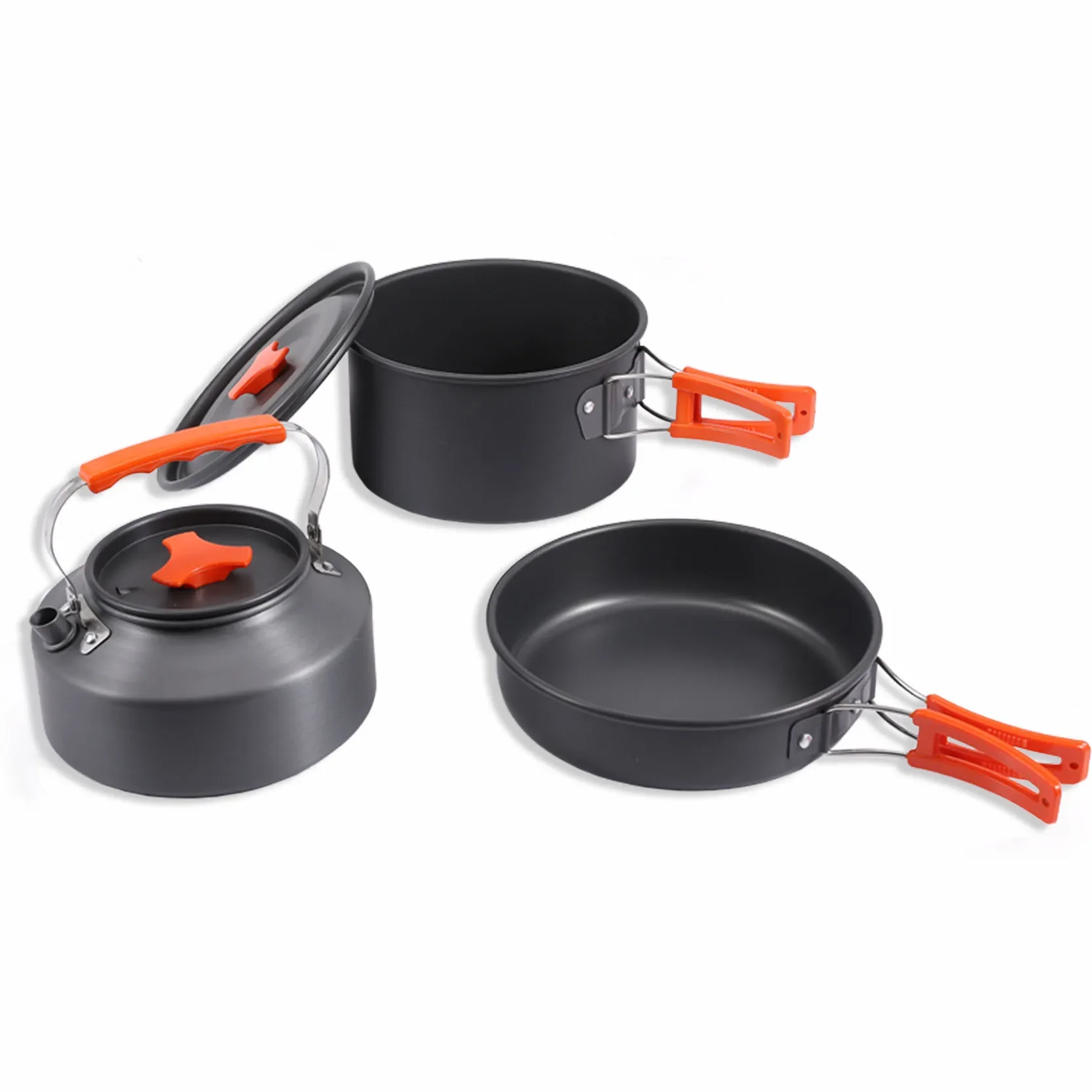
Camping Cookware Mess Kit, Non-Stick Lightweight Pots Set Portable Outdoor, For Backpacking Hiking Outdoor Cooking and Picnic
For a reliable balance of lightweight design and non-stick convenience, our Camping Cookware Mess Kit offers a compact pot set that handles everything from boiling water to sautéing vegetables on the trail.
Frequently asked questions
What is the best material for a camping cookware mess kit?
The best material depends on your priorities. Anodized aluminum offers a good balance of weight, durability, and heat conduction for most campers. Titanium is lighter but pricier and conducts heat less evenly. Stainless steel is very durable but heavy. Consider your cooking style and pack weight limits.
Can I use a camping mess kit over an open fire?
Yes, but with caution. Many mess kits are designed for camp stoves, not direct flame. Non-stick coatings can be damaged by high heat. If you plan to cook over a fire, choose a kit made of stainless steel or titanium, and avoid non-stick. Always use a grate or place the pot on coals rather than directly in flames.
How do I clean a non-stick camping mess kit?
Clean non-stick kits with warm water and a soft sponge. Avoid abrasive pads or metal utensils that can scratch the coating. For stubborn food, soak briefly. Do not use harsh chemicals. Dry thoroughly before storing to prevent odors.
What size camping cookware mess kit do I need for two people?
For two people, a pot with a capacity of 1.5 to 2 liters is usually sufficient for boiling water for meals and drinks. A frying pan around 8 inches in diameter works well for cooking. Look for a set that includes two bowls or mugs for convenience.
