
Blog
The Ultimate Wine Storage Cabinet Buying Guide
Buying Guide
Choose the Right Wine Storage Cabinet
Choosing a wine storage cabinet is about balancing passion with practicality. Whether you’re a casual enthusiast or a serious collector, the right cabinet keeps your bottles at peak condition and enhances your space.
Why a Dedicated Wine Storage Cabinet Matters
Storing wine in a regular refrigerator can dry out corks and dull flavors. A dedicated wine storage cabinet maintains proper humidity and temperature, protecting your investment. Plus, it becomes a stylish focal point in your home.
Types of Wine Storage Cabinets
There are two main types: thermoelectric and compressor-based. Thermoelectric units are quiet and vibration-free, ideal for small collections. Compressor models offer precise temperature control and can handle larger capacities. For more on wine storage science, check out this Wikipedia article on wine cellars.
Key Features to Look For
- Capacity: How many bottles do you need to store? Standard cabinets range from 12 to 150+ bottles.
- Temperature Zones: Dual zones allow storing reds and whites at optimal temperatures.
- Humidity Control: Aim for 50-70% humidity to keep corks moist.
- UV Protection: Look for tinted glass or solid doors to shield wine from light.
- Vibration Dampening: Compressor vibrations can disturb sediment; choose models with anti-vibration technology.
Size and Placement Considerations
Measure your space before buying. Freestanding cabinets need ventilation, while built-in models can fit under counters. Think about accessibility: a wine storage cabinet in your dining area is convenient for dinner parties, while one in the basement can hold a larger collection.
Design and Materials
A wine storage cabinet should complement your decor. Wood finishes like oak add warmth, while metal and glass offer a modern look. Solid doors hide bottles and reduce light exposure, while glass doors showcase your collection. Consider materials that are durable and easy to clean.
Budgeting for Your Wine Storage Cabinet
Prices vary widely. Entry-level models start around $200, while high-end cabinets can exceed $3000. Set a budget based on your collection size and desired features. Remember, a quality wine storage cabinet is a long-term investment in your wine enjoyment.
Maintenance Tips
Clean your cabinet regularly with a damp cloth. Check seals and gaskets for wear. Monitor temperature and humidity with a digital gauge. Replace charcoal filters (if applicable) every 6-12 months to control odors.
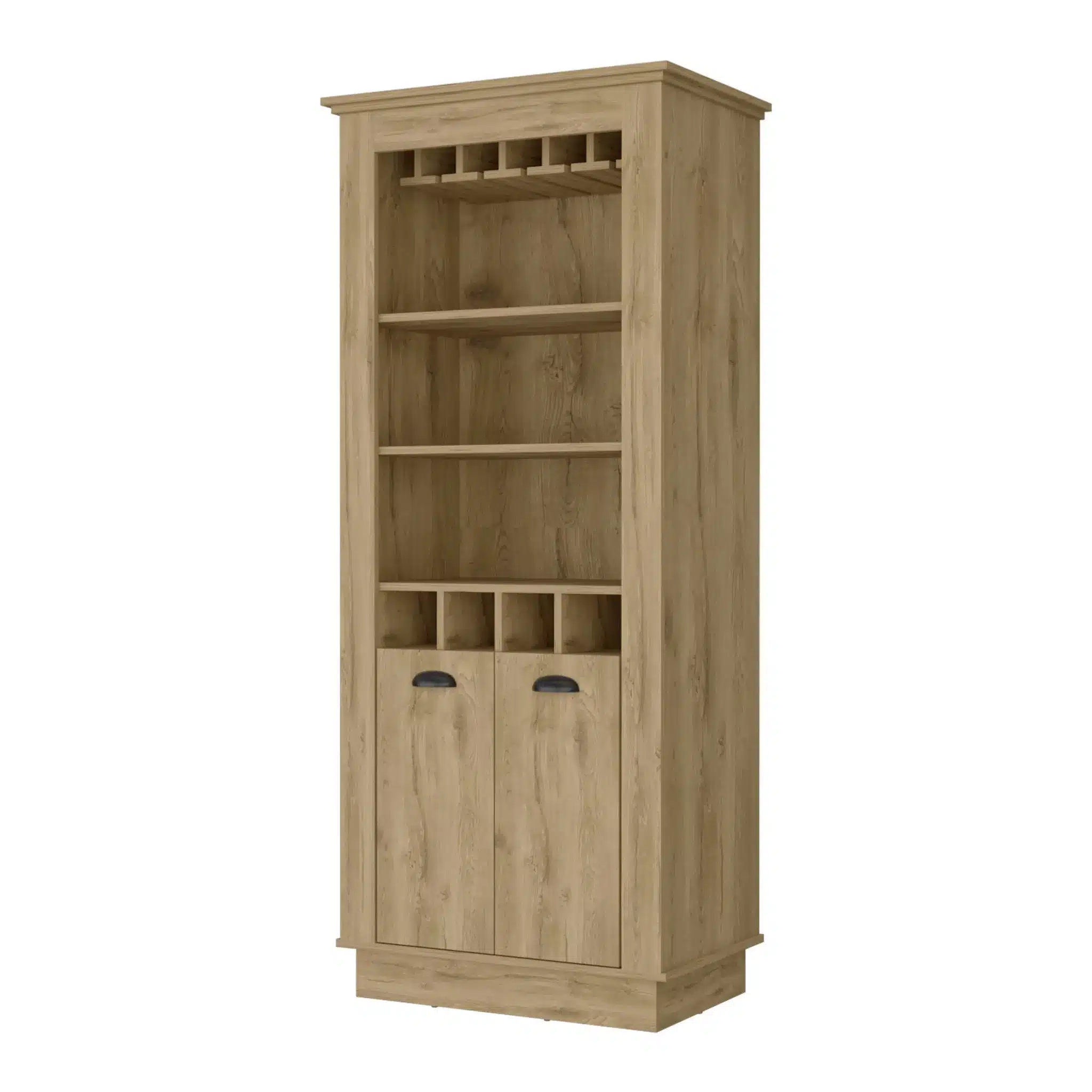
70 Rustic Brown Bar Cabinet with Wine Storage for Home Nordic and Modern Design Wood Iron Oak Material for Dining
For a stylish and functional option, consider the 70 Rustic Brown Bar Cabinet with Wine Storage, which combines Nordic and modern design with oak and iron materials.
Frequently asked questions
What is the ideal temperature for a wine storage cabinet?
For long-term aging, keep red wines at 55°F (13°C) and white wines at 45-50°F (7-10°C). Dual-zone cabinets allow you to store both at their preferred temperatures.
Can I store wine in a regular refrigerator?
It’s not recommended. Regular fridges are too cold and dry, which can dry out corks and cause wine to lose flavor. A wine storage cabinet maintains proper humidity and stable temperature.
How many bottles should my wine storage cabinet hold?
Think about how many bottles you typically have on hand. A 12-24 bottle cabinet suits casual drinkers, while 50+ bottles are better for collectors. Remember to leave room for air circulation.
Do I need a thermoelectric or compressor wine cooler?
Thermoelectric coolers are quiet and vibration-free, ideal for small collections in living spaces. Compressor coolers can maintain lower temperatures and handle larger capacities, but they may hum and vibrate slightly.
