
Blog
The Ultimate Wine Storage Cabinet Buying Guide
Buying Guide
Your Essential Wine Storage Cabinet Guide
Choosing the right wine storage cabinet can transform your collection from a simple hobby into a true passion. Whether you’re a seasoned collector or just starting, this guide will help you find the perfect wine storage cabinet for your home.
Why You Need a Dedicated Wine Storage Cabinet?
A dedicated wine storage cabinet is more than just furniture—it’s an investment in preserving the quality of your wine. Unlike a standard refrigerator or pantry, a wine cabinet maintains consistent temperature and humidity, protects bottles from light and vibration, and provides proper storage orientation to keep corks moist. Whether you have a few bottles or a growing collection, a wine storage cabinet ensures each vintage reaches its peak flavor.
Key Factors to Consider When Buying a Wine Storage Cabinet
Before you start shopping, think about these essential aspects to make an informed decision.
Size and Capacity
Assess how many bottles you currently own and plan to collect. Cabinets range from small 12-bottle units to large 200+ bottle cellars. Measure your available space—height, width, depth—and consider future growth. A compact wine storage cabinet is perfect for a kitchen or dining room, while larger models might suit a basement or dedicated bar area.
Cooling and Humidity Control
Wine thrives at 45-65°F with 50-70% humidity. Thermoelectric cooling is quiet and vibration-free, ideal for small cabinets, while compressor-based systems handle larger capacities and hotter environments. Look for cabinets with adjustable thermostat and humidity management to protect your wine.
Materials and Design: Blending Function with Style
The cabinet’s construction affects both durability and aesthetics. Solid wood like oak or mahogany offers classic elegance and better insulation. Metal and glass doors add modern flair but require UV protection. Shelving should be sturdy, preferably wooden or metal with smooth edges to avoid scratching labels. A well-designed wine storage cabinet complements your decor while safeguarding your collection.
Installation and Placement Tips
Place your cabinet away from direct sunlight, heat sources (oven, radiator), and high-traffic areas to minimize vibrations. Freestanding models need airflow around the unit; built-in versions require ventilation grilles. Level the cabinet to ensure proper door alignment and cooling efficiency.
Budgeting for Your Wine Storage Cabinet
Prices vary widely based on size, materials, and cooling technology. Entry-level cabinets start around $200, while premium units exceed $2000. Invest in good insulation and a reliable cooling system—cheaper models may struggle with temperature consistency. Remember that a quality wine storage cabinet protects your collection’s value.
Recommended Pick: A Rustic Modern Option
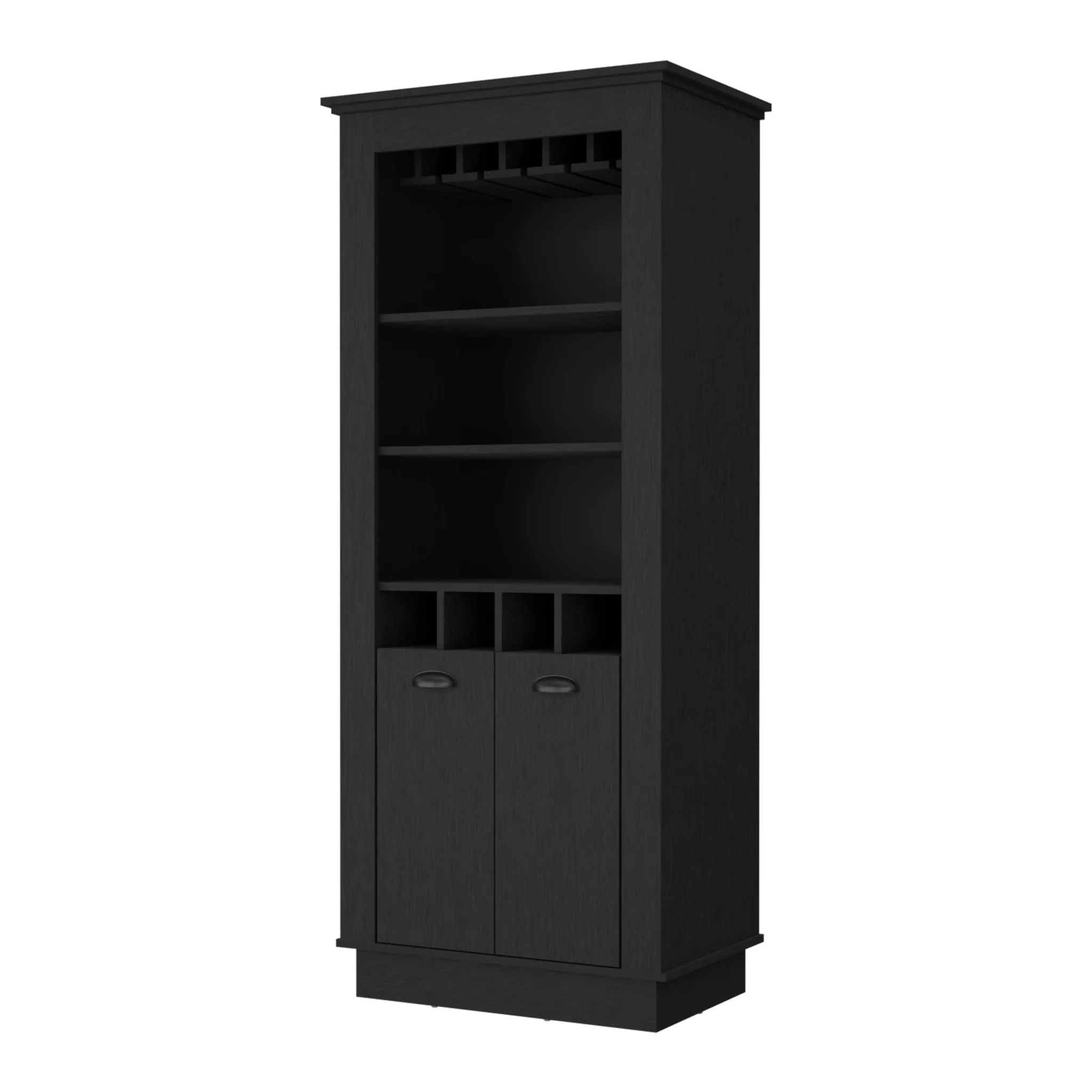
For those seeking a blend of style and functionality, consider the 70 Rustic Modern Dining Black Bar Cabinet with iron, wood, and oak panel materials. It offers ample storage with a charming aesthetic that fits various interiors.
Care and Maintenance
Clean the exterior with a damp cloth, avoid harsh chemicals. Check door seals annually for wear. Replace charcoal filters (if applicable) every 6-12 months. Keep the interior organized to allow air circulation. Proper maintenance extends the life of your wine storage cabinet.
For more on wine storage fundamentals, visit Wikipedia’s wine cellar page.
70 Rustic Modern Dining Black Bar Cabinet Home Use Wine Storage with Iron Wood Oak Panel Materials
For a stylish and functional option, the 70 Rustic Modern Dining Black Bar Cabinet with iron, wood, and oak panel materials offers generous storage and a warm aesthetic that blends seamlessly into any home.
Frequently asked questions
What is the ideal temperature for a wine storage cabinet?
The ideal temperature range for storing wine is between 45°F and 65°F (7°C-18°C), with 55°F (13°C) being optimal. Consistent temperature is more important than the exact number; avoid fluctuations above 5°F.
Can I store wine in a regular refrigerator?
While possible short-term, a regular refrigerator is too cold (around 35-40°F) and too dry, which can dry out corks and alter flavors. A dedicated wine storage cabinet maintains proper humidity and stable temperature.
How many bottles can a typical wine storage cabinet hold?
Capacity varies widely, from 12 to over 200 bottles. Consider your current collection and future growth. For most home users, a 30-50 bottle cabinet strikes a good balance.
What is the difference between thermoelectric and compressor cooling?
Thermoelectric cooling is quieter, vibration-free, and energy-efficient, ideal for small to medium cabinets in moderate climates. Compressor cooling is more powerful, suitable for larger cabinets and warmer environments, but produces some vibration and noise.
