
Blog
The Ultimate Guide to Japanese Cotton Towels
Buying Guide
Why Japanese Cotton Towels Are Worth the Hype
Japanese cotton towels have earned a reputation for exceptional softness and durability. Whether you’re upgrading your bath linens or looking for a gentle face towel, understanding what makes these towels special can help you choose the perfect one.
What Makes Japanese Cotton Towels Unique?
Japanese cotton towels are renowned for their superior quality, often made from long-staple cotton fibers that produce a smoother, stronger yarn. This results in towels that are not only incredibly soft but also highly absorbent and quick-drying. The weaving techniques, such as pile loop or terry, are meticulously done to maximize comfort and performance. Many Japanese towels also undergo a special finishing process that removes oils and impurities, enhancing their natural absorbency.
Key Benefits of Using Japanese Cotton Towels
Switching to Japanese cotton towels offers several advantages:
- Exceptional Softness: The long fibers create a plush feel that softens with each wash.
- High Absorbency: They can hold more water than standard towels, making drying more efficient.
- Durability: High-quality construction means they resist fraying and maintain their shape over time.
- Hypoallergenic: Pure cotton is gentle on sensitive skin and less likely to cause irritation.
For more on cotton fiber types, check out this Wikipedia article on cotton.
How to Choose the Best Japanese Cotton Towel
When shopping for Japanese cotton towels, consider the following factors:
Fiber Quality
Look for towels made from 100% cotton, ideally with long-staple fibers like Egyptian or Supima cotton. These provide superior softness and strength.
Weave and GSM
The weave affects texture and drying speed. Terry cloth with high GSM (grams per square meter) offers more absorbency, while waffle weave is lighter and dries faster. A GSM between 500-700 is ideal for bath towels.
Size and Weight
Choose sizes that fit your needs: face cloths (30×30 cm), hand towels (40×60 cm), bath towels (70×140 cm), and bath sheets (100×150 cm). Heavier towels are more luxurious but take longer to dry.
Caring for Your Japanese Cotton Towels
Proper care extends the life of your towels:
- Wash before first use to activate absorbency.
- Use mild detergent; avoid fabric softeners as they coat fibers and reduce absorbency.
- Wash in warm water (40°C/104°F) and tumble dry on low heat or line dry.
- Avoid bleach and high heat, which can damage fibers.
With proper care, Japanese cotton towels can last for years, maintaining their softness and color.
Top Uses for Japanese Cotton Towels
Versatile and gentle, these towels are perfect for:
- Daily bathing and showering
- Face washing and makeup removal
- Baby care due to softness
- Guest bathroom sets for a touch of luxury
- Gym and travel (compact sizes)
Eco-Friendly and Sustainable Aspects
Japanese cotton towels are often produced with sustainable practices. Many brands use organic cotton and eco-friendly dyes, reducing environmental impact. Their durability also means less frequent replacement, contributing to less waste. Investing in quality towels is a step toward a more sustainable lifestyle.
Comparing Japanese Cotton Towels to Other Types
While Egyptian and Turkish towels are also popular, Japanese cotton towels stand out for their unique balance of softness and absorbency. Egyptian towels are known for luxury, Turkish for fast drying, and Japanese for a combination of both with a plush feel. The choice ultimately depends on personal preference and intended use.
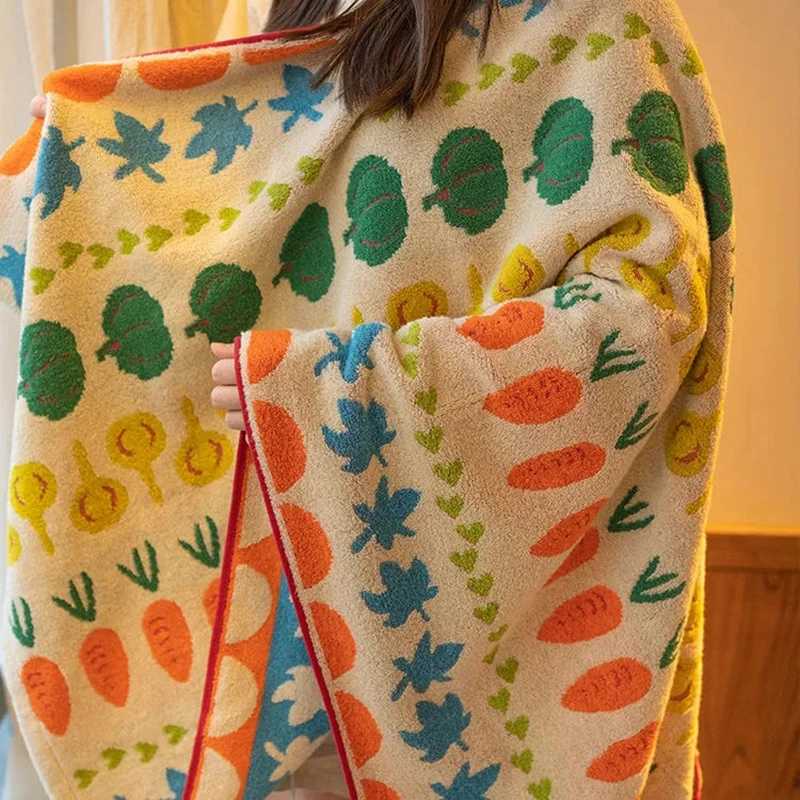
Kawaii Japanese Pure Cotton Towels Cute Vegetable Absorbent Towel Thick Soft Face Skin-friendly Bath Towel for Kids & Adults
For a playful and practical option, consider the Kawaii Japanese Pure Cotton Towels featuring cute vegetable designs – they’re thick, soft, and perfect for both kids and adults.
Frequently asked questions
Are Japanese cotton towels better than regular towels?
Yes, they often use higher quality fibers and superior weaving techniques, resulting in greater softness, absorbency, and durability compared to standard towels.
How do I make my Japanese cotton towels more absorbent?
Wash them before first use without fabric softener. Over time, they will become more absorbent as natural oils are removed.
Can Japanese cotton towels cause lint?
High-quality Japanese cotton towels typically produce minimal lint due to long-staple fibers and tight weaving. Initial washes may have some lint, which decreases over time.
What is the ideal GSM for a Japanese cotton bath towel?
A GSM of 500-700 is ideal for a plush, absorbent bath towel. Higher GSM feels more luxurious but takes longer to dry.