
Blog
The Ultimate Hyaluronic Acid Serum Buying Guide
Skincare Guide
How to Pick the Perfect Hyaluronic Acid Serum
Hyaluronic acid serum is a skincare powerhouse, but with so many options, finding the right one can feel overwhelming. This guide will help you cut through the noise and choose wisely.
What Is a Hyaluronic Acid Serum and How Does It Work?
Hyaluronic acid is a naturally occurring molecule in your skin that holds up to 1,000 times its weight in water. A hyaluronic acid serum delivers this moisture directly to your skin, plumping fine lines and giving you that dewy glow. It’s suitable for all skin types, even sensitive or oily skin, because it hydrates without clogging pores.
When applied to damp skin, hyaluronic acid draws in moisture from the environment and deeper layers of your skin, locking it in. This makes it a must-have in any skincare routine, especially during dry seasons or if you use drying ingredients like retinol.
Key Ingredients to Look For in a Hyaluronic Acid Serum
Not all serums are created equal. Here are some ingredients that boost the effectiveness of a hyaluronic acid serum:
- Multiple molecular weights: A blend of low, medium, and high weight hyaluronic acid ensures hydration at different skin layers.
- Vitamin C or niacinamide: These brighten skin and enhance the serum’s antioxidant power.
- Ceramides or peptides: They strengthen the skin barrier and support collagen production.
- Glycerin or squalane: Additional humectants that lock in moisture alongside hyaluronic acid.
Avoid serums with alcohol, fragrances, or essential oils if you have sensitive skin, as they can cause irritation and counteract the hydrating benefits.
How to Choose the Right Hyaluronic Acid Serum for Your Skin Type
Your skin type influences which hyaluronic acid serum will work best for you.
For Dry Skin
Look for a thicker, gel-like formula that contains oils or ceramides. These provide an extra occlusive layer to prevent moisture loss.
For Oily or Acne-Prone Skin
Opt for a lightweight, water-based serum without heavy oils. Ingredients like salicylic acid or niacinamide can help control breakouts while hydrating.
For Sensitive Skin
Choose a serum with minimal ingredients, no fragrances, and soothing components like aloe vera or panthenol. Patch test first.
For Aging Skin
A serum with peptides or retinol in addition to hyaluronic acid can boost collagen and firmness. Just use retinol at night and hyaluronic acid in the morning or as a buffer.
How to Apply a Hyaluronic Acid Serum for Maximum Results
Application technique matters. Follow these steps to get the most out of your hyaluronic acid serum:
- Apply on damp skin: Spritz your face with a hydrating toner or water before applying the serum. This gives the hyaluronic acid water to bind to.
- Use gentle pressing motions: Don’t rub; press the serum into your skin with your fingertips.
- Layer immediately with moisturizer: A cream or oil seals in the hydration. Without it, hyaluronic acid can evaporate and leave your skin drier.
- Use morning and night: Consistency is key for long-term plumping and hydration.
For an extra boost, try mixing a few drops of serum with your moisturizer or face oil.
Common Myths About Hyaluronic Acid Serum Debunked
Let’s clear up some misconceptions about hyaluronic acid serum:
- Myth: It’s only for dry skin. Fact: All skin types need hydration, and hyaluronic acid is non-comedogenic, so it works for oily and acne-prone skin too.
- Myth: It can replace your moisturizer. Fact: Hyaluronic acid is a humectant, not an occlusive. You still need a moisturizer to lock in the water.
- Myth: Higher concentration means better results. Fact: A 1-2% concentration is effective; higher percentages can feel sticky or even cause dryness in low-humidity environments.
- Myth: It’s not suitable for humid climates. Fact: In high humidity, hyaluronic acid pulls moisture from the air, making it even more beneficial.
For a deeper dive into how hyaluronic acid works, check out this Wikipedia article.
What to Avoid in a Hyaluronic Acid Serum
Steer clear of these red flags when shopping for a hyaluronic acid serum:
- Overly simple formulas: A serum with just hyaluronic acid and water is less effective than one with supporting ingredients.
- High alcohol content: Alcohol can strip your skin and negate the hydrating effects.
- Artificial fragrances: These can cause irritation, especially if you have sensitive skin.
- Unrealistic claims: No serum can permanently erase wrinkles or change your skin structure overnight.
Stick with reputable brands and check the ingredient list for proven hydrating compounds.
Our Honest Pick: A Serum That Delivers
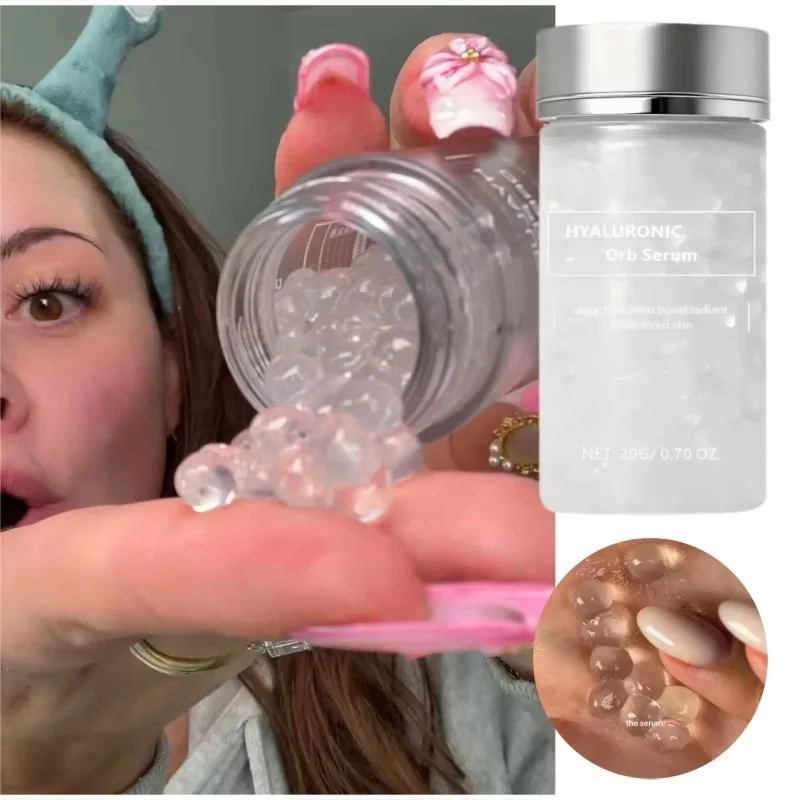
After testing many options, we recommend the Hyaluronic Orb Serum Spherical Particles Beads Face Essence Deep Hydration Plumping Firming Moisturizer. It uses spherical particles to deliver multi-weight hyaluronic acid deep into your skin, providing long-lasting hydration and a noticeable plumping effect. It’s a solid choice if you want a serum that works without gimmicks.
Final Tips for Making Your Hyaluronic Acid Serum Work Harder
Here are a few pro tips to maximize your serum’s benefits:
- Store it properly: Keep your serum away from direct sunlight and heat to preserve its potency.
- Pair with vitamin C: Use a vitamin C serum in the morning and hyaluronic acid after, or look for a combined formula.
- Use a humidifier: In dry climates, a humidifier adds moisture to the air, which hyaluronic acid can then bind to.
- Don’t forget your neck and chest: These areas show aging too, so extend your serum application downward.
Remember, consistency and proper layering are the secrets to glowing, hydrated skin.
Hyaluronic Orb Serum Spherical Particles Beads Face Essence Deep Hydration Plumping Firming Moisturizer
For deep hydration that lasts, we like the Hyaluronic Orb Serum with spherical particles that deliver plumping moisture without stickiness.
Frequently asked questions
Can I use hyaluronic acid serum every day?
Yes, you can use hyaluronic acid serum twice daily—morning and night. It’s gentle enough for daily use and provides continuous hydration.
Should I apply hyaluronic acid serum before or after moisturizer?
Apply hyaluronic acid serum on damp skin before your moisturizer. The serum pulls in moisture, and the moisturizer seals it in.
Does hyaluronic acid serum cause breakouts?
Hyaluronic acid is non-comedogenic, so it shouldn’t clog pores or cause breakouts. However, other ingredients in the serum might. Always check the label.
Can I mix hyaluronic acid serum with vitamin C?
Absolutely. Hyaluronic acid and vitamin C work well together. Apply vitamin C first, let it absorb, then follow with hyaluronic acid.