
Blog
Your Guide to a Brightening Body Lotion for Glowing Skin
Skin Care
Find Your Perfect Brightening Body Lotion
A brightening body lotion can transform your skin care routine, helping you achieve a more even and radiant complexion from head to toe.
Why Choose a Brightening Body Lotion?
A brightening body lotion is more than just a moisturizer; it targets uneven pigmentation, dullness, and discoloration. Whether you have sun spots, post-inflammatory marks, or simply want a luminous glow, these lotions work by inhibiting melanin production or accelerating cell turnover. The goal is a more uniform skin tone that looks healthy and refreshed.
Key Ingredients to Look For
When shopping for a brightening body lotion, consider these powerhouse ingredients:
- Vitamin C: An antioxidant that brightens and protects against environmental damage.
- Niacinamide: Reduces melanin transfer and improves skin barrier function.
- Kojic Acid: Derived from mushrooms, it inhibits tyrosinase to lighten dark spots.
- Alpha Arbutin: A gentle alternative to hydroquinone that targets hyperpigmentation.
- Glutathione: A master antioxidant that supports skin lightening from within.
For deeper insight, learn more about skin lightening mechanisms.
How to Incorporate a Brightening Body Lotion into Your Routine
For best results, apply your brightening body lotion daily after showering when skin is slightly damp. Use gentle, circular motions to boost absorption. Pair with a broad-spectrum sunscreen during the day, as brightening ingredients can increase sun sensitivity. Consistency is key—expect visible improvements in 4–8 weeks.
Morning vs. Evening Use
Morning: Apply after cleansing, then follow with SPF. Evening: Use after exfoliation to enhance penetration. Avoid mixing with strong acids unless formulated together.
Common Mistakes to Avoid
- Over-exfoliating: Can irritate skin and worsen pigmentation.
- Skipping sunscreen: UV rays undo brightening efforts.
- Expecting overnight results: Patience and consistency are essential.
- Using too much product: A pea-sized amount per area is enough.
DIY vs. Store-Bought: What Works Best?
While DIY masks with lemon or yogurt may seem appealing, they lack stability and proper pH. Commercial brightening body lotions are formulated with safe concentrations of active ingredients and preservatives. For reliable results, choose a trusted product that fits your skin type.
Understanding Skin Tone and Brightening
Brightening body lotions are designed for all skin tones, but those with darker skin may need extra caution with harsh lighteners. Look for ingredients like niacinamide and licorice root extract that are gentle yet effective. Always patch test new products on a small area.
When to Expect Results
Most brightening body lotions show initial improvements in skin texture and hydration within two weeks. Significant fading of dark spots usually takes 6–12 weeks of consistent use. If you don’t see changes after three months, consider switching to a product with a different active ingredient or consulting a dermatologist.
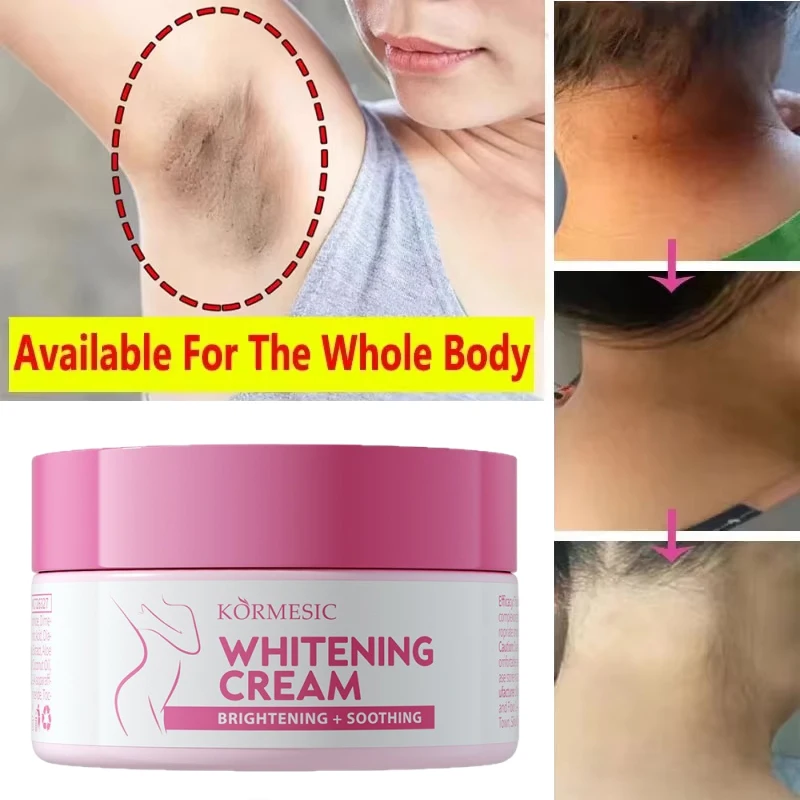
Glutathione Niacinamide Body Lotion Skin Brightening Hydrate Revitalize Even Skin Tone Whitening Face Bleaching Lightening Care
For a gentle yet effective option, consider a lotion with glutathione and niacinamide to support even tone and hydration.
Frequently asked questions
How often should I use a brightening body lotion?
For best results, use it daily, preferably twice a day after cleansing. Consistency is important, but if your skin feels irritated, reduce to once daily.
Can brightening body lotion lighten my skin tone overall?
Most brightening lotions are designed to even out skin tone and reduce dark spots, not to dramatically lighten your natural complexion. They target uneven pigmentation for a more uniform look.
Is it safe to use brightening body lotion during pregnancy?
Some ingredients like hydroquinone and high-dose vitamin A should be avoided. Stick to gentle options like niacinamide, vitamin C, or kojic acid, and always consult your doctor.
What should I do if I experience irritation?
Stop use immediately and apply a soothing moisturizer. If irritation persists, consult a dermatologist. Patch testing new products can help prevent reactions.