
Blog
Ultimate Guide to Choosing the Best Sea Salt Soak
Bath Rituals
The Perfect Sea Salt Soak for Mind and Body
A sea salt soak is one of the simplest yet most effective ways to unwind and nourish your skin. Whether you’re looking to soothe tired muscles or simply elevate your bath experience, this guide will help you choose the best sea salt soak for your needs.
What Makes a Sea Salt Soak Special?
A sea salt soak is more than just a bath additive. It’s a time-honored tradition that harnesses the power of ocean minerals to promote relaxation and skin health. Unlike table salt, sea salt retains trace elements like magnesium, calcium, and potassium, which can help soothe muscles, reduce inflammation, and improve skin barrier function. When you immerse yourself in a warm bath with sea salt, you’re essentially recreating a mineral-rich seawater experience from the comfort of your home.
The key to a truly effective soak lies in the quality of the salt. Look for unrefined, naturally harvested sea salt that hasn’t been stripped of its beneficial minerals. Many commercial bath salts contain additives or fragrances that can irritate sensitive skin, so it’s wise to choose a pure sea salt soak or one with minimal, skin-friendly ingredients.
How to Choose the Right Sea Salt Soak for Your Skin
Not all sea salt soaks are created equal. Here are some factors to consider when selecting one:
- Grain size: Fine grains dissolve quickly and are ideal for a gentle soak, while coarse grains offer a slower release of minerals and can be used for exfoliation.
- Ingredients: Look for natural sea salt without synthetic fragrances or dyes. If you have dry or sensitive skin, consider a soak that includes moisturizing elements like essential oils or plant extracts.
- Origin: Sea salt from different regions (e.g., Celtic, Himalayan, Mediterranean) has unique mineral profiles. Experiment to find which one makes you feel best.
Your skin type should guide your choice. For oily or acne-prone skin, a fine-grained sea salt soak may help balance sebum. For dry or mature skin, a soak with added oils can provide extra hydration.
The Benefits of a Regular Sea Salt Soak
Incorporating a sea salt soak into your weekly routine can yield numerous benefits:
- Stress relief: The magnesium in sea salt helps regulate cortisol levels, promoting a sense of calm.
- Muscle recovery: Epsom salt is well-known for this, but sea salt also contains magnesium that can ease soreness.
- Skin detoxification: The salt draws out impurities and can help with conditions like eczema or psoriasis.
- Improved circulation: Warm water combined with minerals encourages blood flow.
For best results, soak for 20-30 minutes in water between 37-40°C (98-104°F). Remember to hydrate before and after your bath to prevent dehydration.
Types of Sea Salt Soak: Which One Is for You?
Beyond plain sea salt, you’ll find varieties infused with herbs, clays, or essential oils. Here’s a quick overview:
- Pure sea salt soak: Minimalist and ideal for those with sensitive skin or allergies.
- Herbal blends: Often include lavender, chamomile, or rosemary for added aromatherapy benefits.
- Clay-infused: Clays like bentonite or kaolin can enhance detoxification and draw out toxins.
- Effervescent: These fizz upon contact with water, creating a spa-like experience, but may contain more additives.
Choose based on your desired outcome—relaxation, detox, or simply a luxurious bath experience.
How to Use a Sea Salt Soak for Maximum Effect
Using a sea salt soak is straightforward, but a few tips can enhance your experience:
- Fill your bathtub with warm water (not too hot, as high temperatures can strip natural oils).
- Add about 1-2 cups of sea salt soak while the water is running to help it dissolve.
- Swirl the water to distribute the salt evenly.
- Soak for 20-30 minutes. Use a bath pillow or dim the lights to create a calming atmosphere.
- After soaking, rinse off with fresh water and pat your skin dry. Apply a moisturizer to lock in hydration.
If you’re using a sea salt soak with essential oils, be mindful that some oils can be photosensitizing (e.g., citrus oils). Avoid direct sunlight for a few hours after your bath.
DIY Sea Salt Soak Recipes to Try at Home
Making your own sea salt soak is simple and allows you to customize ingredients. Here are two easy recipes:
Relaxing Lavender Sea Salt Soak
- 1 cup coarse sea salt
- 10 drops lavender essential oil
- 1 tablespoon dried lavender buds (optional)
- Mix ingredients and store in an airtight jar. Use 1/2 cup per bath.
Detoxifying Rosemary and Lemon Soak
- 1 cup fine sea salt
- 5 drops rosemary essential oil
- 5 drops lemon essential oil
- Combine and use 1/2 cup per bath. Avoid if you have sensitive skin or will be in the sun.
Always patch-test essential oils on a small area of skin before using them in the bath.
What to Look for in a Store-Bought Sea Salt Soak
If you prefer ready-made options, here’s what to check on the label:
- Sea salt should be the first ingredient.
- Avoid sodium lauryl sulfate (SLS) and parabens.
- Look for natural colorants (like clay) rather than artificial dyes.
- Check for third-party testing or certifications if you have allergies.
A good sea salt soak should list its mineral content or at least the source of the salt. Remember, the simpler the ingredient list, the more likely you’re getting a pure product.
Safety Tips for Using Sea Salt Soaks
While generally safe, keep these precautions in mind:
- Avoid using sea salt soak if you have open wounds or severe skin conditions without consulting a doctor.
- If you have high blood pressure or heart conditions, consult your physician before soaking in hot water with salt.
- Stay hydrated and never soak for more than 30 minutes.
- Keep bath salts out of reach of children and pets.
For more information on the benefits of sea salt, visit Wikipedia’s sea salt page.
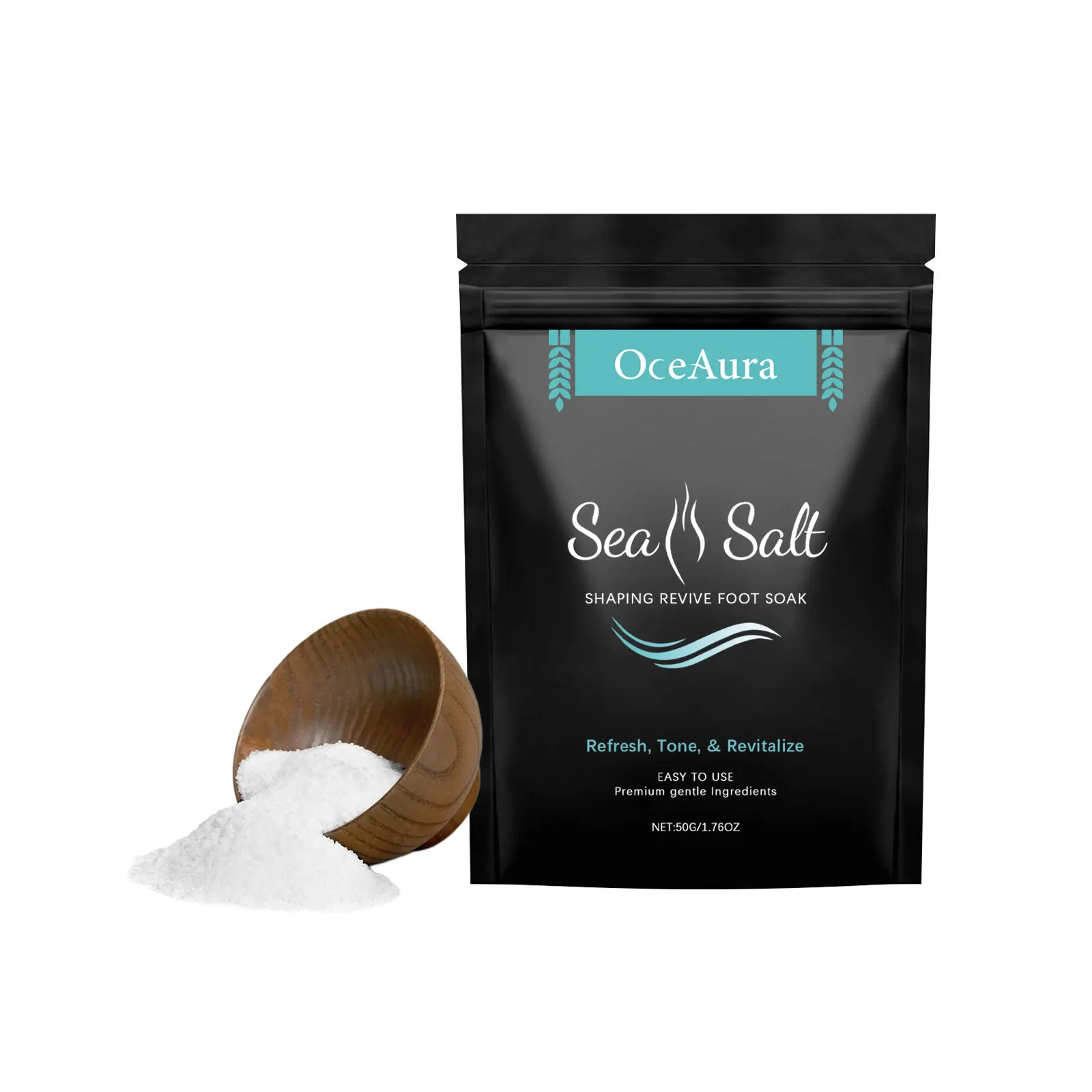
OceAura Firming Body Care Foot Bath Salt Sea Salt Soak for Beauty and Moisturizing Skin Body Skin Care
For a luxurious experience, consider OceAura Firming Body Care Foot Bath Salt Sea Salt Soak for Beauty and Moisturizing Skin Body Skin Care, which blends pure sea salt with skin-nourishing ingredients.
Frequently asked questions
How often should I use a sea salt soak?
For most people, 2-3 times per week is beneficial. If you have dry skin, limit to once weekly to avoid over-drying.
Can I use a sea salt soak in a foot bath?
Absolutely. A sea salt soak works wonderfully for tired feet. Use about 1/4 cup in a basin of warm water.
Is sea salt soak safe during pregnancy?
Generally yes, but avoid very hot water and essential oils unless approved by your doctor. Stick to plain sea salt.
Does sea salt soak expire?
Sea salt itself doesn’t expire, but added ingredients like essential oils can degrade. Store in a cool, dry place and use within 1-2 years.