
Blog
Mid Century Chandelier Buying Guide: 10 Timeless Picks
Lighting Guide
Find Your Perfect Mid Century Chandelier
A mid century chandelier can transform any room, blending retro charm with modern functionality. In this guide, we’ll walk you through everything you need to know to find the perfect one for your home.
Why Choose a Mid Century Chandelier?
The mid century design movement, spanning roughly the 1930s to the 1960s, emphasized clean lines, organic curves, and a connection to nature. A mid century chandelier captures this ethos, serving as a sculptural centerpiece that adds warmth and character to any room. Unlike ornate traditional chandeliers, these fixtures feature minimalist silhouettes and often incorporate materials like wood, brass, and opal glass, making them versatile for both modern and classic interiors.
Beyond aesthetics, these chandeliers are designed with functionality in mind, offering ambient lighting that flatters dining areas, living rooms, and entryways. Their timeless appeal ensures they remain stylish for decades, making them a worthy investment for any homeowner.
Understanding the Key Design Elements
When shopping for a mid century chandelier, pay attention to the following design elements that define the style:
- Shape: Look for geometric forms like spheres, cones, or starbursts, which are iconic to the era.
- Materials: Common materials include teak, walnut, brass, copper, and smoked glass. These add warmth and a natural touch.
- Finish: Matte black, brass, and aged bronze finishes are popular, offering a contrast to lighter ceilings.
- Bulbs: Exposed bulbs are a hallmark of mid century design, often with Edison bulbs for a vintage glow.
For a deeper dive into the history of mid century design, you can explore this Wikipedia article.
How to Choose the Right Size
Size is crucial when selecting a mid century chandelier. A fixture that’s too small gets lost in a large room, while one that’s too large overwhelms a cozy space. Here’s a simple formula to guide you:
- Measure the length and width of your room in feet.
- Add those two numbers together; the sum in inches is the ideal diameter for your chandelier.
For example, a 12×14-foot room would suit a chandelier around 26 inches in diameter. Also, consider the height: for dining tables, the bottom of the fixture should hang about 30-36 inches above the table surface.
Ceiling Height Considerations
For standard 8-foot ceilings, a chandelier with a height of 20-24 inches works well. If you have higher ceilings, you can opt for taller fixtures or add a chain to lower them to the appropriate height.
Materials and Finishes: What to Look For
The materials and finishes of a mid century chandelier contribute to its durability and aesthetic. Here’s what to consider:
- Wood: Teak and walnut are classic choices, adding warmth and organic texture. Look for solid wood construction for longevity.
- Metal: Brass and copper develop a beautiful patina over time, while matte black offers a modern twist. Ensure the metal is of high quality to prevent tarnishing.
- Glass: Opal or frosted glass diffuses light softly, creating a warm ambiance. Check for thickness and clarity to ensure durability.
When browsing, you’ll find many options that combine these materials, such as a wooden frame with metal accents, which is quintessential mid century.
Matching the Chandelier to Your Space
A mid century chandelier can be the focal point of any room, but it should harmonize with your existing decor. Here’s how to match it to different spaces:
- Dining Room: Choose a chandelier with a linear or elongated shape to complement a rectangular table. Ensure it’s proportional to the table’s width.
- Living Room: A sculptural starburst or Sputnik design can serve as a striking centerpiece above a coffee table or seating area.
- Entryway: A dramatic, multi-tiered chandelier makes a grand first impression. Consider the sightline from the door to ensure it’s visible and inviting.
- Bedroom: For a softer touch, opt for a chandelier with fabric or frosted glass shades to diffuse light gently.
Remember, the fixture should enhance the room’s function and style, not overwhelm it.
Lighting Quality and Bulb Options
The lighting quality of a mid century chandelier is just as important as its design. Here are some tips:
- Color Temperature: Warm white (2700K-3000K) is ideal for creating a cozy, inviting atmosphere.
- Bulb Types: LED bulbs are energy-efficient and long-lasting, while Edison-style bulbs add a vintage charm. Check the fixture’s compatibility.
- Dimmer Compatibility: Many mid century chandeliers are dimmable, allowing you to adjust the mood. Verify this feature if it’s important to you.
Consider the amount of light you need. For a dining area, you might want brighter lighting for meals, while a living room may benefit from softer, ambient light.
Installation and Maintenance Tips
Proper installation and maintenance will keep your mid century chandelier looking great for years. Here are some practical tips:
- Hiring a Professional: If you’re not comfortable with electrical work, always hire a licensed electrician for installation.
- Cleaning: Dust regularly with a soft cloth or duster. For glass components, use a mild glass cleaner and avoid abrasive materials.
- Bulb Replacement: Always turn off the power before replacing bulbs. Use the recommended wattage to prevent overheating.
- Check for Loose Parts: Periodically inspect the fixture for any loose screws or connections, especially if it’s a multi-arm design.
With proper care, your chandelier will remain a stunning feature in your home.
Where to Place Your Mid Century Chandelier
Placement is key to maximizing the impact of your chandelier. Here are some ideas:
- Above a Dining Table: Center the chandelier over the table, ensuring it doesn’t block sightlines across the table.
- In a Two-Story Foyer: Use a long chain to hang the chandelier at eye level from the second floor, creating a dramatic focal point.
- Over a Kitchen Island: A row of mini pendants can work, but a single mid century chandelier can also make a bold statement.
- In a Reading Nook: A small chandelier can add charm and provide focused lighting for a cozy corner.
When placing, consider the chandelier’s scale relative to the furniture and the room’s proportions.
Budgeting for Your Chandelier
Mid century chandeliers come in a wide range of prices, from affordable reproductions to high-end designer pieces. Here’s what to expect:
- Budget Options: Look for simple designs with metal shades or basic wooden frames. These can start around $100.
- Mid-Range: Expect to pay $200-$500 for quality pieces with better materials and finishes.
- High-End: Designer or vintage originals can cost over $1,000. These are often collectible and may require special care.
Determine your budget before you start shopping to narrow down your options and avoid overspending.
Final Thoughts on Selecting Your Mid Century Chandelier
Choosing a mid century chandelier is about balancing style, function, and practicality. By considering the design elements, size, materials, and lighting needs, you’ll find a fixture that not only illuminates your space but also becomes a conversation piece. Take your time, explore different options, and trust your instincts. The right chandelier will feel like the perfect finishing touch to your room.
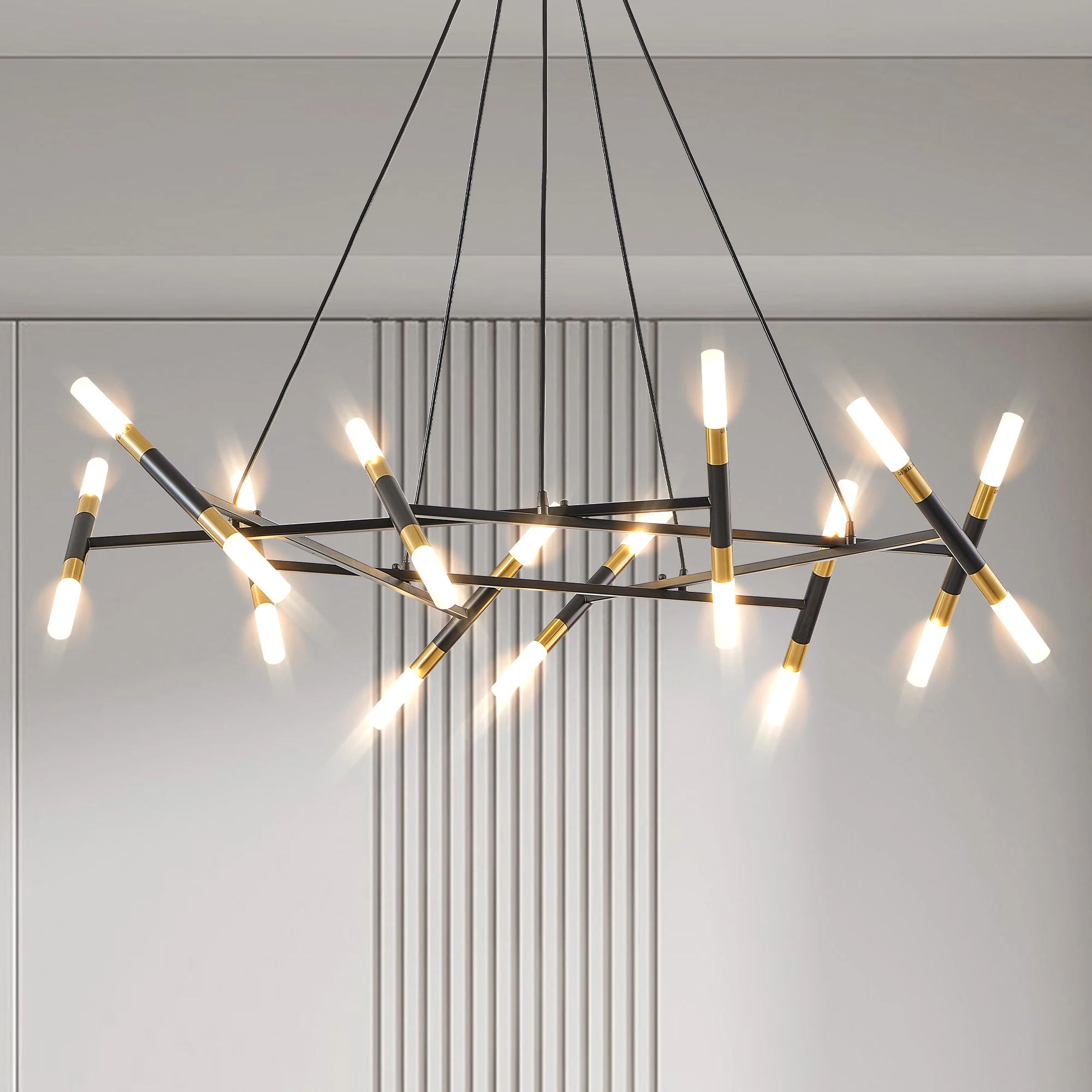
Mid Century Modern 20-Lights LED Black Round Chandelier Pendant Light Fixture
For a stunning example of a mid century chandelier, consider the Mid Century Modern 20-Lights LED Black Round Chandelier Pendant Light Fixture from Goldoma, which combines iconic design with energy-efficient LED technology.
Frequently asked questions
What is a mid century chandelier?
A mid century chandelier is a lighting fixture that embodies the design principles of the mid-20th century, characterized by clean lines, organic shapes, and a mix of natural materials like wood and metal. It serves as both a functional light source and a sculptural statement piece.
How do I determine the right size for a mid century chandelier?
A common rule is to add the room’s length and width in feet; the sum in inches gives the ideal diameter. For example, a 12×14-foot room would suit a 26-inch diameter chandelier. Also, consider the ceiling height and the size of the furniture it will hang over.
What materials are typical for a mid century chandelier?
Typical materials include teak, walnut, brass, copper, and opal or smoked glass. These materials add warmth and authenticity to the design, and many fixtures combine wood with metal for a balanced look.
Can a mid century chandelier be used in a modern home?
Absolutely. The clean, minimalist design of mid century chandeliers makes them versatile and compatible with various decor styles, including contemporary, industrial, and eclectic. They add a touch of vintage charm without clashing with modern aesthetics.
