
Blog
Wabi Sabi Chandelier: A Buying Guide for Imperfect Beauty
Mindful Lighting
Wabi Sabi Chandelier: Embrace Imperfect Beauty
A wabi sabi chandelier is more than a light fixture; it is a quiet meditation on impermanence and the beauty of the imperfect. In this guide, we’ll explore how to choose one that speaks to your soul.
The Philosophy Behind a Wabi Sabi Chandelier
Wabi sabi is a Japanese worldview that finds beauty in imperfection, impermanence, and simplicity. When applied to lighting, a wabi sabi chandelier often features organic forms, natural materials like wood or paper, and an asymmetrical design that feels both grounded and ethereal. Unlike polished, symmetrical fixtures, these chandeliers celebrate the marks of time and the hand of the maker.
To truly appreciate a wabi sabi chandelier, it helps to understand its roots. The concept stems from traditional Japanese tea ceremonies, where rustic, handmade utensils were valued over perfect, mass-produced ones. This aesthetic has influenced everything from architecture to pottery, and now, lighting. If you’re drawn to minimalism and authenticity, this style might resonate with you.
For a deeper dive, you can explore the philosophy of wabi-sabi on Wikipedia.
Key Characteristics to Look For
When shopping for a wabi sabi chandelier, keep these traits in mind: natural materials (wood, bamboo, washi paper, or linen), earthy colors (browns, beiges, greys), and an organic silhouette. Look for finishes that are matte or textured, not glossy. Imperfections like knots in wood or uneven edges are not flaws—they are the essence.
- Material: Choose sustainable, raw materials that age gracefully.
- Shape: Asymmetrical or irregular shapes that mimic nature.
- Light: Warm, diffused light that creates a cozy ambiance.
- Scale: Proportionate to your room size; not too dominating.
How a Wabi Sabi Chandelier Transforms Your Space
The right chandelier does more than illuminate—it sets the mood. A wabi sabi chandelier adds a layer of calm and authenticity to any room. In a minimalist living room, it becomes a statement of intentional living. In a restaurant, it fosters an atmosphere of quiet intimacy. Its soft glow and natural textures invite you to slow down and appreciate the present moment.
Many people find that incorporating wabi sabi elements into their home helps reduce stress. The absence of perfect lines and the presence of organic materials can create a grounding effect. It’s a reminder that beauty is not about perfection, but about acceptance.
Choosing the Right Size and Placement
Size matters. A chandelier that’s too large can overwhelm a small room, while one that’s too small gets lost in a large space. As a rule of thumb, add the room’s dimensions (in feet) and convert to inches for the ideal diameter. For example, a 12×14-foot room suggests a 26-inch fixture.
Placement also affects the vibe. In a dining room, hang it 30-36 inches above the table. In a living room, ensure it’s high enough to avoid head bumps but low enough to cast a warm pool of light. Consider the sightlines from other rooms—a wabi sabi chandelier can be a focal point visible from multiple angles.
Materials and Durability: What to Expect
Natural materials are beautiful, but they require care. Wood may darken with age, and paper shades may tear if handled roughly. However, these changes are part of the wabi sabi charm. To prolong the life of your chandelier, dust it regularly with a soft cloth and avoid harsh cleaners. Some finishes, like oiled wood, may need occasional re-oiling. If you’re concerned about durability, look for fixtures with metal frames that support the natural elements.
Lighting Quality: Warmth and Ambiance
The type of bulb you choose is crucial. Opt for warm white LEDs (2700K-3000K) to complement the earthy tones of a wabi sabi chandelier. Avoid cool, blue light that can clash with the cozy aesthetic. Dimmable switches are a great addition, allowing you to adjust the mood from bright to intimate with a simple twist.
Consider the direction of light. Some chandeliers cast light upward for a soft, ambient glow, while others focus downward for task lighting. Think about how you’ll use the room and choose accordingly.
Integrating Wabi Sabi with Your Existing Decor
A wabi sabi chandelier doesn’t exist in a vacuum. It should harmonize with your furniture and accessories. Pair it with natural textiles like linen curtains, wooden furniture with visible grain, and ceramic vases with uneven glazes. Avoid overly glossy or synthetic pieces that might clash. The goal is to create a cohesive, serene environment.
If you’re starting from scratch, consider a neutral palette with lots of texture. Wabi sabi thrives in spaces that feel lived-in and layered. Don’t be afraid to mix old and new—a vintage wooden table under a modern wabi sabi chandelier can be stunning.
Where to Find Authentic Wabi Sabi Chandeliers
While many mass-produced fixtures claim to be wabi sabi, true authenticity lies in handmade pieces. Look for artisans or brands that prioritize natural materials and traditional craftsmanship. Online marketplaces like Etsy are good places to start, but be prepared to read reviews carefully. Alternatively, well-curated home decor stores may carry a selection.
When you find a piece that speaks to you, ask about the materials and construction. A genuine wabi sabi chandelier will have a story—a maker, a material, a moment. That story becomes part of your home.
Final Thoughts: Letting Go of Perfection
Choosing a wabi sabi chandelier is an exercise in letting go. It’s about embracing the knot in the wood, the uneven shade, the crack that time has created. In a world obsessed with flawless, this is a radical act of self-acceptance. Your home should reflect who you are, imperfections and all.
As you begin your search, remember that the best chandelier is one that makes you feel at peace. Whether it’s a small pendant or a grand statement piece, let it be a reminder that beauty is everywhere, especially in the imperfect.
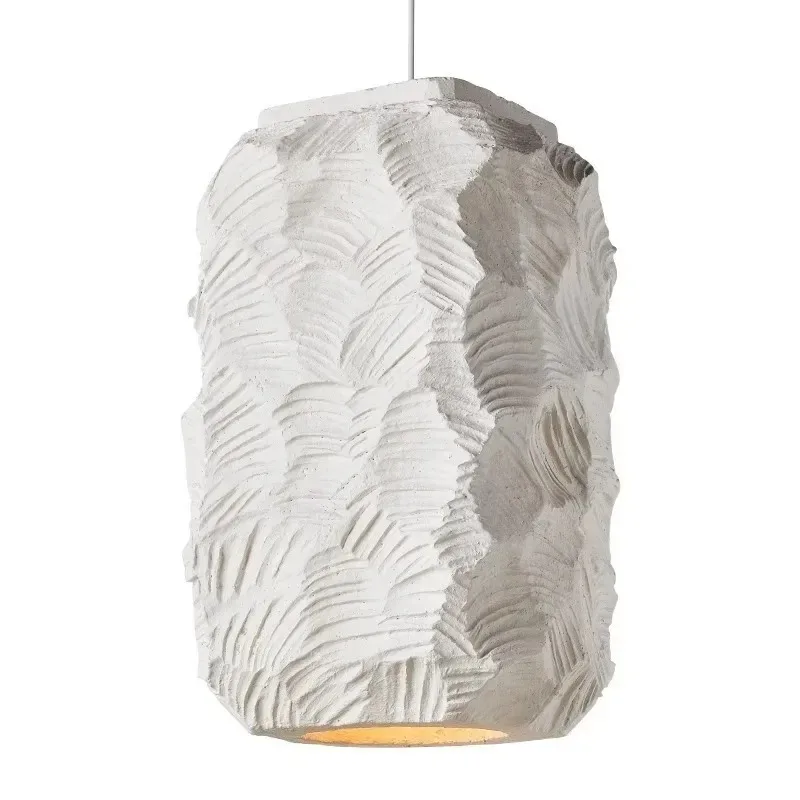
Wabi Sabi Style Japanese Style Chandelier New Design for Restaurant and Living Room Minimalist Chandelier for Homestay
If you’re looking for a well-crafted option, consider the Wabi Sabi Style Japanese Style Chandelier New Design for Restaurant and Living Room Minimalist Chandelier for Homestay, which aligns with these principles.
Frequently asked questions
What is a wabi sabi chandelier?
A wabi sabi chandelier is a light fixture that embodies the Japanese aesthetic of wabi sabi, which celebrates imperfection, impermanence, and natural simplicity. It typically features organic materials, asymmetrical shapes, and a rustic, handcrafted look.
How do I clean a wabi sabi chandelier?
To clean, gently dust with a soft, dry cloth or a feather duster. Avoid liquid cleaners, as they may damage natural materials like wood or paper. For deeper cleaning, consult the manufacturer’s instructions. Accept that some changes over time are part of its charm.
Can a wabi sabi chandelier work in a modern home?
Absolutely. The minimalist and organic qualities of wabi sabi complement many modern interiors, especially those with neutral palettes and natural textures. It adds warmth and a sense of authenticity that balances sleek, contemporary design.
What kind of bulb should I use?
Use warm white LED bulbs (2700K-3000K) to enhance the cozy, earthy ambiance. Avoid cool or daylight bulbs, which can feel harsh and clash with the natural aesthetic. Dimmable bulbs are recommended for flexibility.
