
Blog
Wabi Sabi Chandelier: A Guide to Imperfect Beauty
Lighting Guide
Embrace Imperfection with a Wabi Sabi Chandelier
A wabi sabi chandelier is more than a light fixture; it’s a philosophy. Rooted in Japanese aesthetics, it celebrates the beauty of imperfection, transience, and simplicity, inviting you to slow down and appreciate the present moment.
What is Wabi Sabi?
Wabi sabi is a Japanese worldview centered on the acceptance of transience and imperfection. It finds beauty in things that are asymmetrical, rustic, and modest. In design, it translates to natural materials, earthy tones, and a sense of quiet simplicity. A wabi sabi chandelier embodies these principles through its organic forms and handcrafted details.
Unlike the polished perfection of modern decor, wabi sabi celebrates the cracks, the unevenness, and the passage of time. It’s a reminder that nothing lasts, nothing is finished, and nothing is perfect.
Key Elements of a Wabi Sabi Chandelier
When looking for a wabi sabi chandelier, pay attention to these elements:
- Natural Materials: Wood, bamboo, rattan, and linen are common. They age gracefully, developing a patina that adds character.
- Earthy Colors: Muted browns, greys, greens, and off-whites dominate, often with a matte finish.
- Asymmetry: Irregular shapes and uneven lines are intentional, echoing nature’s unpredictability.
- Handcrafted Feel: Visible joinery, slight imperfections, and artisanal touches make each piece unique.
- Soft Lighting: The glow is warm and diffused, creating a cozy, contemplative atmosphere.
Why Choose a Wabi Sabi Chandelier for Your Home?
In a world of mass-produced uniformity, a wabi sabi chandelier offers a refreshing alternative. It brings a sense of calm and authenticity to any room. Here are a few reasons to consider one:
- Timeless Appeal: Unlike trendy fixtures, wabi sabi pieces age well, both in style and in physical form.
- Unique Character: No two are exactly alike, so your chandelier will be truly one-of-a-kind.
- Grounding Presence: The natural materials and soft light connect you to the earth, promoting relaxation and mindfulness.
- Versatility: It fits seamlessly into various decor styles, from minimalist to rustic to eclectic.
For a deeper dive into the philosophy, you can explore wabi-sabi on Wikipedia.
How to Incorporate a Wabi Sabi Chandelier into Your Space
Placing a wabi sabi chandelier requires a thoughtful approach. Here are some tips:
Living Room
Hang it as a centerpiece over the coffee table. Let it be a conversation starter that anchors the room with its organic presence.
Bedroom
Install it at a lower height for a soft, intimate glow. Pair it with natural linen bedding and wooden furniture to enhance the wabi sabi vibe.
Dining Room
Suspend it above the dining table to create a warm, inviting atmosphere for meals. The imperfect beauty will make every gathering feel special.
Materials and Craftsmanship
The soul of a wabi sabi chandelier lies in its materials and the hands that shape them. Wood, especially with visible grain and knots, is a favorite. Fabric shades, like linen or cotton, diffuse light beautifully. Walnut, with its rich, warm tones, is a particularly fitting choice. The craftsmanship is evident in the details—the way the pieces fit together, the texture of the finish, and the overall balance despite asymmetry.
When you choose a wabi sabi chandelier, you’re not just buying a light; you’re investing in artistry and a piece of nature.
Caring for Your Wabi Sabi Chandelier
One of the joys of wabi sabi is that it requires minimal upkeep. In fact, signs of wear add to its charm. Here are a few simple tips:
- Dust Regularly: Use a soft, dry cloth to gently wipe away dust.
- Avoid Harsh Cleaners: Water and mild soap are enough for occasional deep cleaning.
- Embrace Patina: Let the wood darken and the fabric fade naturally. It’s part of the story.
- Check Wiring Occasionally: Safety first—ensure the electrical components are in good condition.
Where to Find the Perfect Wabi Sabi Chandelier
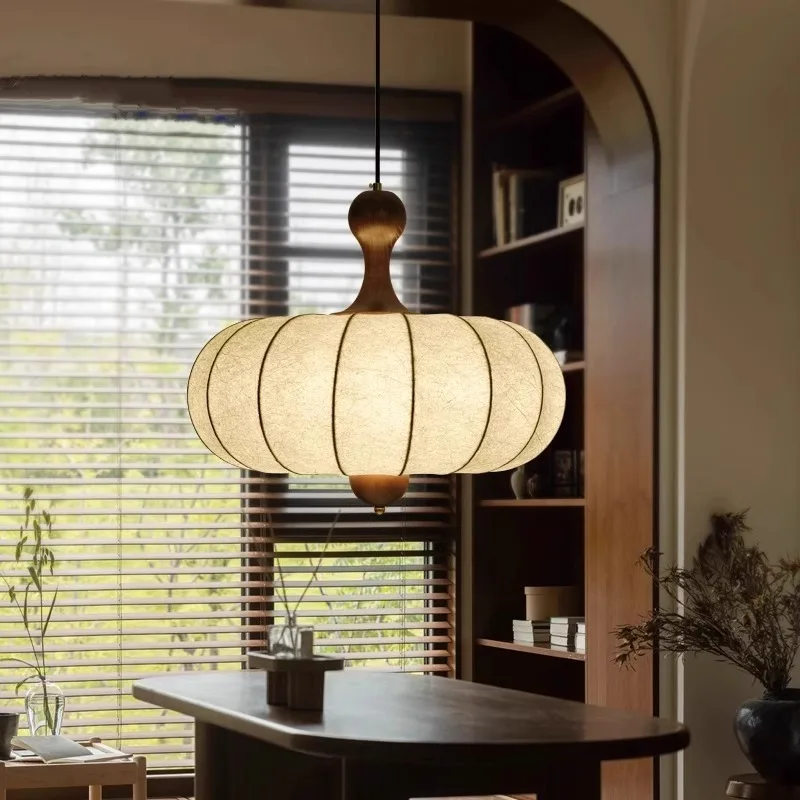
Finding the right piece takes time. Look for artisans or specialty stores that prioritize quality and authenticity. Online marketplaces can offer a wide range, but be sure to read reviews and examine photos carefully. If you’re looking for a specific style, consider the French Medieval Restaurant Chandelier Wabi Sabi Retro Homestay Fabric Wood Walnut Color Bedroom Living Room Chandelier, which beautifully captures the essence of wabi sabi with its walnut wood and fabric shades.
French Medieval Restaurant Chandelier Wabi Sabi Retro Homestay Fabric Wood Walnut Color Bedroom Living Room Chandelier
For a beautifully crafted example, consider the French Medieval Restaurant Chandelier Wabi Sabi Retro Homestay Fabric Wood Walnut Color Bedroom Living Room Chandelier, which brings the essence of wabi sabi to your home.
Frequently asked questions
What is a wabi sabi chandelier?
A wabi sabi chandelier is a lighting fixture that embodies the Japanese aesthetic of wabi sabi, which finds beauty in imperfection, transience, and simplicity. It typically features natural materials like wood and fabric, earthy colors, and an asymmetrical, handcrafted design.
How is a wabi sabi chandelier different from a regular chandelier?
Unlike conventional chandeliers that often aim for symmetry and polished perfection, a wabi sabi chandelier celebrates organic irregularities, rustic textures, and muted tones. It focuses on creating a warm, contemplative atmosphere rather than a statement of opulence.
Can I use a wabi sabi chandelier in a modern home?
Absolutely. Wabi sabi chandeliers add warmth and character to modern interiors, providing a contrast to sleek, minimalist lines. They work well in living rooms, bedrooms, dining areas, and even entryways, blending effortlessly with various decor styles.
How do I clean and maintain a wabi sabi chandelier?
Dust regularly with a soft, dry cloth. For deeper cleaning, use a mild soap and water solution, but avoid harsh chemicals. Embrace the natural patina that develops over time—it adds to the charm. Also, periodically check the wiring for safety.
