
Blog
Wabi Sabi Pendant Light: Embrace Imperfect Beauty
Lighting Guide
Wabi Sabi Pendant Light: Finding Beauty in Imperfection
A wabi sabi pendant light is more than a lighting fixture—it’s a philosophy that celebrates the imperfect, the transient, and the humble. In a world of mass-produced perfection, these lights bring a sense of calm and authenticity to any room.
What is Wabi Sabi? A Philosophy of Imperfection
To understand the appeal of a wabi sabi pendant light, we must first grasp the Japanese aesthetic of wabi-sabi. It’s a worldview centered on the acceptance of transience and imperfection. It finds beauty in asymmetry, simplicity, and the patina of age. This philosophy, rooted in Zen Buddhism, encourages us to appreciate the rustic and the unpretentious.
In design, wabi-sabi translates into natural materials, organic shapes, and a muted palette. It’s the opposite of the sleek, flawless, and mass-produced. It’s about the charm of a hand-thrown pot or the warmth of aged wood. When applied to lighting, it creates a serene and contemplative atmosphere.
Why Choose a Wabi Sabi Pendant Light?
Lighting is the soul of a room, and a wabi sabi pendant light brings a unique soulfulness. Unlike a stark modern fixture, it offers a soft, diffused glow that flatters and soothes. It’s not just a light source; it’s a piece of art that tells a story of natural materials and human hands.
Here are a few reasons to consider one:
- Creates a calm ambiance: The warm, diffused light promotes relaxation and mindfulness.
- Adds texture and depth: Natural materials like wood, paper, or fabric add visual interest.
- Timeless appeal: Wabi-sabi design transcends trends, aging gracefully.
- Unique character: No two pieces are exactly alike, celebrating individuality.
Materials That Embody Wabi Sabi
The beauty of a wabi sabi pendant light lies in its materials. Designers often use natural, unpolished elements that age beautifully. Here are some common materials you’ll encounter:
- Wood: Raw or lightly finished, wood brings warmth and an organic feel.
- Paper: Washed or textured paper creates a soft, diffused glow.
- Fabric: Linen or cotton shades add a soft, tactile quality.
- Clay or Ceramic: Handcrafted pieces often have irregular shapes and glazes.
- Wrought Iron: Dark, uneven metal adds a rustic, grounded touch.
These materials not only look beautiful but also age with grace, developing a patina that adds to their charm.
How to Incorporate a Wabi Sabi Pendant Light in Your Home
Integrating a wabi sabi pendant light into your decor is about creating a harmonious balance. It works beautifully in various spaces:
- Living Room: Hang it above a coffee table or seating area to create a cozy focal point.
- Dining Room: A low-hanging pendant over the dining table sets an intimate mood for meals.
- Bedroom: Use it as a bedside pendant or a centerpiece for a calming retreat.
- Entryway: Welcome guests with a warm, inviting glow.
Remember, wabi-sabi is about simplicity, so allow the light to shine without clutter. Pair it with natural textures like wood, stone, and linen for a cohesive look.
Choosing the Right Size and Placement
Size and placement are crucial for the perfect wabi sabi pendant light. Here are some guidelines:
- Proportion: A general rule is to choose a diameter that is about one-half to three-quarters the width of the surface below.
- Height: Hang it so the bottom is about 30-36 inches above a table or countertop, and about 7 feet above the floor in walkways.
- Multiple Pendants: Over a long island or table, consider a cluster of pendants at varying heights for a dynamic look.
Take your time to measure and visualize. The right placement will enhance both the light and the room’s aesthetic.
Caring for Your Wabi Sabi Pendant Light
One of the beauties of wabi-sabi is that it embraces wear and tear. However, a little care will keep your light looking its best:
- Dust regularly: Use a soft, dry cloth or a gentle brush to remove dust from the shade and frame.
- Clean with care: For fabric shades, use a vacuum with a brush attachment. For wood, a slightly damp cloth is fine—avoid harsh chemicals.
- Embrace aging: Allow natural patina to develop. It adds character and authenticity.
By caring for your light, you’re also honoring the philosophy behind it.
The Environmental and Ethical Appeal
Choosing a wabi sabi pendant light often aligns with sustainable values. Many artisans use locally sourced, renewable materials and traditional techniques. This not only supports craftsmanship but also reduces environmental impact. In a world of fast furniture, wabi-sabi encourages us to buy less but better, investing in pieces that last.
Moreover, the imperfect aesthetic means that minor flaws are not defects but features, reducing waste. It’s a mindful approach to consumption that resonates with those seeking a simpler, more intentional lifestyle.
Where to Find Authentic Wabi Sabi Lighting
Authentic wabi sabi pendant lights can be found in specialty stores, online marketplaces, and directly from artisans. When shopping, look for handmade qualities, natural materials, and a story behind the piece. Avoid mass-produced imitations that miss the essence.
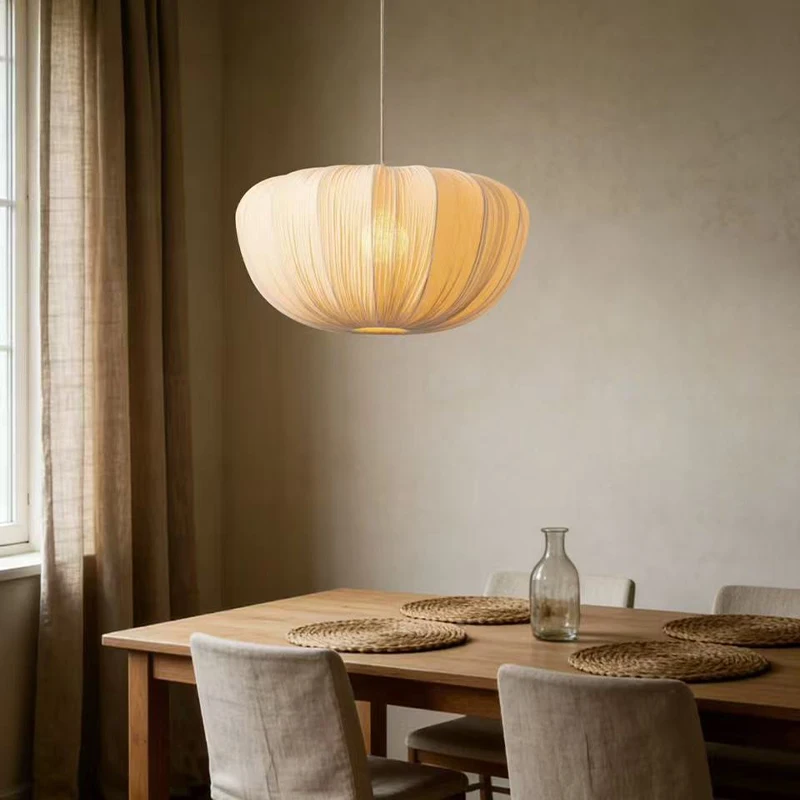
One example is the Japanese Wabi Sabi Retro Fabric E27 Pendant Light from Goldoma, which embodies these principles with its fabric shade and minimalist design. (We’ll mention it more later.)
Also, explore resources like Wikipedia’s article on wabi-sabi to deepen your understanding and appreciation.
Japanese Wabi Sabi Retro Fabric E27 Pendant Light Living Dining Room Chandelier Designer Home Decor Bedroom Lustre Hanging Lamps
For a beautiful example, consider the Japanese Wabi Sabi Retro Fabric E27 Pendant Light, which perfectly captures the essence of wabi-sabi with its natural fabric shade and simple design.
Frequently asked questions
What is a wabi sabi pendant light?
A wabi sabi pendant light is a lighting fixture that embodies the Japanese aesthetic of wabi-sabi, celebrating imperfection, transience, and natural materials. It typically features organic shapes, muted colors, and handmade qualities.
How do I choose the right size wabi sabi pendant light?
Consider the size of your table or space. A common rule is to choose a pendant with a diameter about half to three-quarters the width of the surface below. Also, hang it at the right height—about 30-36 inches above a table.
Can I use a wabi sabi pendant light in a modern home?
Absolutely. Wabi sabi design complements modern interiors by adding warmth and texture. It softens the hard lines of contemporary furniture and creates a balanced, inviting atmosphere.
How do I clean and maintain a wabi sabi pendant light?
Dust regularly with a soft cloth or brush. For fabric shades, use a vacuum with a brush attachment. Avoid harsh chemicals. Embrace the natural aging process, as it enhances the beauty of the piece.
