
Blog
Stainless Steel Bird Feeder: The Ultimate Buying Guide
Buying Guide
Choose the Best Stainless Steel Bird Feeder
A stainless steel bird feeder is a smart investment for any bird lover, offering durability and easy maintenance that other materials can’t match. In this guide, we’ll explore what to look for and how to get the most from your feeder.
Why Choose a Stainless Steel Bird Feeder?
When it comes to feeding wild birds, the material of your feeder matters more than you might think. Stainless steel stands out for its resilience against the elements and its longevity. Unlike plastic or wood, it won’t crack, warp, or rot, even after years of rain, snow, and sun. This makes it a cost-effective choice in the long run, as you won’t need to replace it as frequently.
Additionally, stainless steel is non-porous, which means it doesn’t harbor bacteria or mold as easily as other materials. This is crucial for the health of your backyard birds, as a clean feeder prevents the spread of diseases. With a simple wipe or rinse, you can keep it sanitary, ensuring your feathered visitors stay healthy and happy.
Beyond functionality, stainless steel feeders often have a sleek, modern look that can complement any garden aesthetic. Whether you prefer a minimalist design or something more ornate, there’s a stainless steel option to suit your style.
Key Features to Consider
Not all stainless steel bird feeders are created equal. To find the perfect one for your needs, pay attention to the following features:
- Material Quality: Look for feeders made from high-grade stainless steel (like 304 or 316) that are rust-resistant. Thicker gauge metal will be more durable.
- Size and Capacity: Consider how many birds you want to attract and how often you’re willing to refill. Larger hoppers or trays hold more seed, but they may be heavier and require sturdier mounting.
- Drainage and Ventilation: Proper drainage holes prevent water from pooling, and good airflow keeps seeds dry and fresh. This reduces waste and keeps the feeder cleaner.
- Easy to Clean: Some feeders come apart or have wide openings for easy access. Removable parts make cleaning a breeze, which is essential for bird health.
- Mounting Options: Decide if you want a hanging feeder, pole-mounted, or one that attaches to a window. Think about where you’ll place it and what’s most convenient for viewing.
Top Benefits of Stainless Steel Feeders
Investing in a stainless steel bird feeder brings a host of benefits that go beyond just durability. Here are a few reasons why it’s a favorite among bird enthusiasts:
- Longevity: With proper care, a stainless steel feeder can last for decades. This makes it a sustainable choice, reducing waste over time.
- Weather Resistance: It can withstand extreme temperatures, from freezing winters to scorching summers, without warping or fading.
- Pest Resistance: Squirrels and other critters find it harder to chew through metal, giving you an edge in the battle for birdseed.
- Easy Maintenance: Cleaning is simple – just soap and water, or even a dishwasher if the design allows. This encourages regular cleaning, which is vital for bird health.
For more on the importance of bird feeding and conservation, you can refer to the Wikipedia article on bird feeders.
How to Clean and Maintain Your Feeder
Keeping your stainless steel bird feeder in top condition is easy, but it does require regular attention. Here’s a simple routine:
- Weekly Rinse: Use a hose or bucket of water to rinse off any debris or droppings. A stiff brush can help remove stubborn residue.
- Deep Clean Monthly: Soak the feeder in a solution of one part bleach to nine parts water for about 15 minutes, then scrub and rinse thoroughly. Make sure it’s completely dry before refilling to prevent mold.
- Check for Damage: Periodically inspect for any sharp edges or loose parts that could harm birds. Tighten screws or replace worn parts as needed.
- Seasonal Care: In winter, ensure the feeder isn’t clogged with ice. In summer, move it to a shaded spot to keep seeds fresh longer.
By following these steps, you’ll ensure your feeder remains safe and inviting for birds year-round.
Placement Tips for Maximum Bird Traffic
Where you place your stainless steel bird feeder can significantly impact how many birds visit. Here are some tips:
- Visibility: Place the feeder where you can easily see it from your home, but also where birds feel safe from predators. Near shrubs or trees gives them a quick escape route.
- Height: Hanging feeders should be about 5-6 feet off the ground, out of reach of most predators but still accessible to birds.
- Shelter: Position the feeder to protect it from strong winds and direct rain. A spot under an eave or tree canopy works well.
- Multiple Feeders: If you have space, set up several feeders at different heights and locations to attract a variety of bird species.
Consider the sun’s path too – feeders in full sun can heat up and spoil seed, so a partially shaded spot is often better.
Choosing the Right Seed for Your Feeder
The type of seed you offer will depend on the birds you want to attract. Stainless steel feeders can handle various seed types, but here are some general guidelines:
- Black-Oil Sunflower Seeds: A favorite among many species, including finches, cardinals, and chickadees.
- Nyjer (Thistle) Seed: Perfect for attracting goldfinches and other small finches. Use a feeder with small holes to prevent waste.
- Mixed Seed: A blend of millet, cracked corn, and sunflower seeds appeals to a broad range of birds but may attract more ground feeders.
- Suet: While not a seed, suet cakes provide high-energy food for woodpeckers and nuthatches. Some stainless steel feeders have suet cages.
Always buy fresh seed and store it in a cool, dry place to prevent spoilage. Avoid seed with fillers like red milo, which many birds ignore.
Common Mistakes to Avoid
Even experienced birders can make mistakes. Here are some pitfalls to watch out for:
- Ignoring Cleaning: A dirty feeder can harbor diseases that harm birds. Make cleaning a regular habit.
- Overfilling: Fill only what birds will eat in a few days to prevent waste and spoilage.
- Poor Placement: Placing a feeder too close to windows can cause bird collisions. Put it within 3 feet of a window or use decals.
- Using Pesticides: Keep your garden chemical-free to avoid harming birds that visit.
- Forgetting Water: Birds need water for drinking and bathing. A nearby birdbath will increase visits to your feeder.
By avoiding these common errors, you’ll create a safe and welcoming environment for your avian neighbors.
Eco-Friendly and Sustainable Choice
Choosing a stainless steel bird feeder is also an environmentally conscious decision. Because it lasts so long, you won’t be contributing to the landfill with broken plastic feeders. Additionally, stainless steel is fully recyclable at the end of its life. By opting for a durable product, you reduce your carbon footprint and set a positive example for sustainable living.
Furthermore, supporting wild birds through feeding can help maintain local biodiversity. As natural habitats shrink, backyard feeders play a crucial role in providing supplemental food. Just remember to feed responsibly and keep your feeder clean to avoid negative impacts.
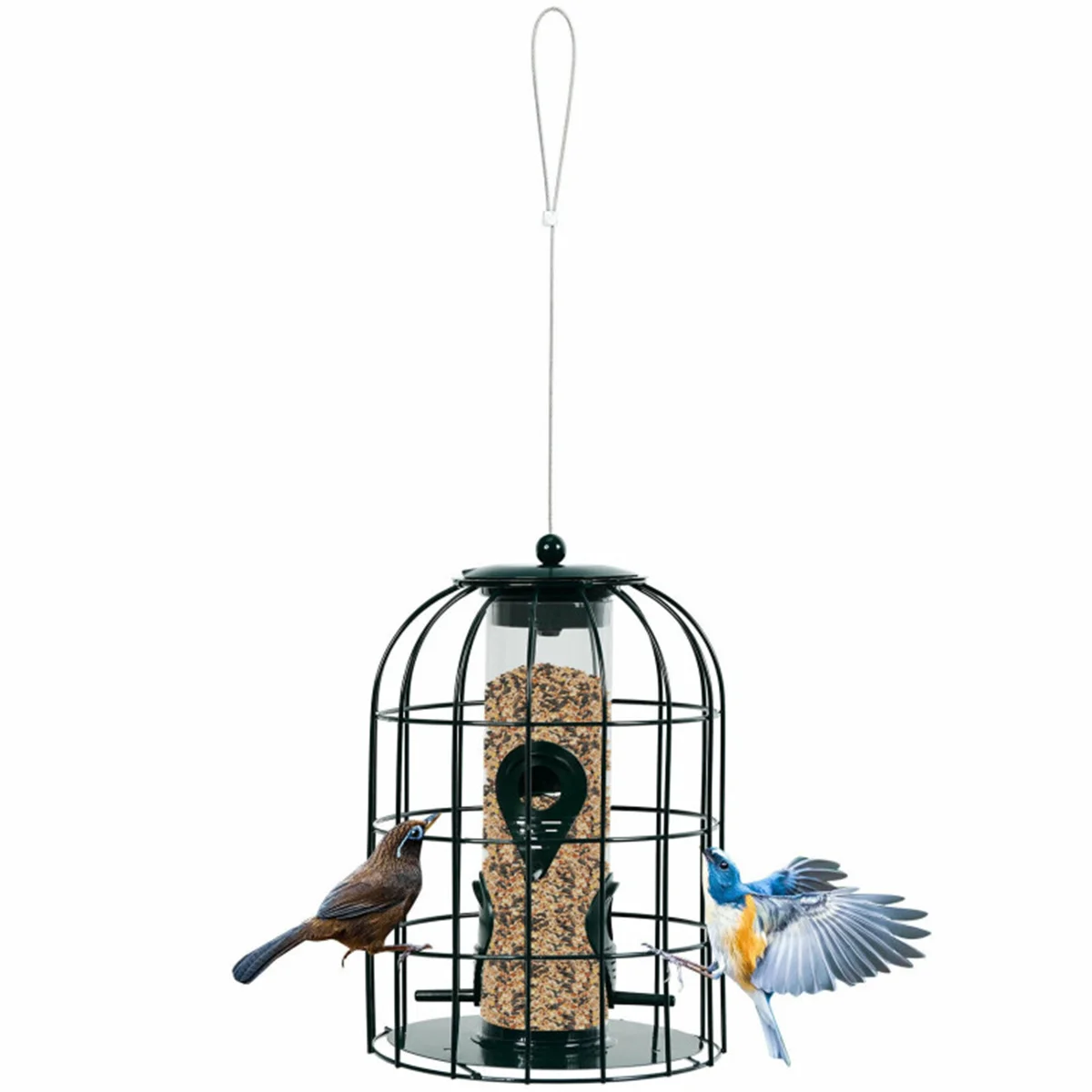
Durable Stainless Steel Green Wild Bird Feeder Long-Lasting and Weatherproof
For a reliable and easy-to-clean option, consider the Durable Stainless Steel Green Wild Bird Feeder Long-Lasting and Weatherproof, which checks all the boxes for quality and longevity.
Frequently asked questions
How often should I clean my stainless steel bird feeder?
Clean your feeder at least once every two weeks, but more often if it’s heavily used or during wet weather. A thorough cleaning with a bleach solution monthly is recommended to prevent disease.
Can stainless steel bird feeders rust?
High-quality stainless steel (like 304 or 316) is very rust-resistant, but cheaper grades may corrode over time. Always choose a feeder made from rust-resistant stainless steel and avoid harsh chemicals that can damage the surface.
Will a stainless steel feeder deter squirrels?
Squirrels can’t chew through metal, so stainless steel feeders are more squirrel-resistant than plastic or wood. However, squirrels may still try to access the seed from the openings, so consider a feeder with a cage or baffle for extra protection.
What is the best seed to use in a stainless steel feeder?
Black-oil sunflower seeds are a great all-around choice. For finches, use nyjer seed in a feeder with small holes. Avoid seed mixes with lots of filler that birds don’t eat, as they can clog the feeder and create waste.
