
Blog
The Ultimate Guide to Choosing a Large Outdoor Planter
Buying Guide
The Art of Choosing a Large Outdoor Planter
A large outdoor planter can transform your patio or garden into a lush retreat, but with so many options, how do you pick the right one? Let’s explore what matters most.
Why Size Matters: The Impact of a Large Outdoor Planter
When it comes to outdoor planting, size truly matters. A large outdoor planter not only makes a bold statement but also provides the root space that many plants need to thrive. Unlike small pots, which can restrict growth and dry out quickly, a generous planter offers stability and moisture retention. Whether you’re anchoring a pathway or framing an entryway, the scale of your planter sets the tone for your entire outdoor space.
Material Matters: Selecting the Right Planter for Your Climate
The material of your large outdoor planter influences its durability, weight, and how well it insulates roots. Here are some common options:
- Concrete: Heavy and sturdy, perfect for permanent placements but difficult to move.
- Terracotta: Classic and porous, ideal for plants that prefer drier soil, but can crack in freezing temperatures.
- Plastic: Lightweight and affordable, often UV-treated to resist fading. Modern designs mimic natural materials.
- Metal: Sleek and modern, but can heat up quickly in direct sun, which may stress roots.
- Wood: Natural and insulating, but requires treatment to prevent rot.
Consider your local weather. For instance, in hot, arid climates, a thick-walled material like concrete or polypropylene can keep roots cooler. In rainy regions, ensure the planter has adequate drainage to prevent waterlogging.
Drainage and Root Health: The Foundation of a Thriving Planter
Proper drainage is non-negotiable for a large outdoor planter. Without it, excess water can lead to root rot, a common killer of container plants. Look for planters with pre-drilled holes or be prepared to add them yourself. Elevating the planter slightly on feet or blocks allows water to escape freely. Additionally, consider using a layer of gravel or pot feet to improve airflow.
Choosing the Right Potting Mix
Heavy garden soil compacts in containers, so use a high-quality potting mix that includes perlite or vermiculite for aeration. This ensures roots get the oxygen they need while retaining moisture.
Style and Aesthetics: Matching Your Large Outdoor Planter to Your Space
Your large outdoor planter is not just a functional piece; it’s a design element. The shape, color, and texture should complement your home’s architecture and landscape. For modern spaces, clean lines and neutral tones work well. For a cottage garden, consider rustic materials like terracotta or weathered wood. The scale of the planter should also relate to its surroundings—too small gets lost, too large overwhelms.
Grouping planters of varying heights creates visual interest, while a single oversized planter can serve as a focal point. Don’t be afraid to mix materials, but keep a cohesive palette.
Mobility and Placement: Planning for Flexibility
Large outdoor planters are heavy, especially when filled with soil. Consider how you’ll move them. Some planters come with wheels or are made of lightweight materials like polypropylene, making them easier to reposition. Think about whether you want a permanent fixture or the flexibility to rearrange for seasonal changes. Also, consider sun exposure—most flowering plants need at least six hours of sunlight, so place your planter accordingly.
Eco-Friendly Options: Sustainable Choices for Your Garden
Sustainability is increasingly important in gardening. Look for large outdoor planters made from recycled or renewable materials. For example, polypropylene planters are often recyclable and long-lasting, reducing the need for frequent replacements. You can also repurpose old barrels, troughs, or even large ceramic pots to add character while being kind to the planet.
For more on sustainable gardening practices, check out this article on sustainable gardening.
Cost vs. Value: Investing in a Quality Planter
While it’s tempting to go for the cheapest option, a quality large outdoor planter is an investment. Cheaper planters may crack, fade, or degrade within a few years, costing you more in the long run. Consider the longevity of the material, warranty, and whether the design will stand the test of time. A good planter can last decades if properly cared for.
Final Thoughts: Making Your Choice
Choosing the right large outdoor planter involves balancing practicality with aesthetics. Think about your plants’ needs, your climate, and your personal style. Whether you opt for a classic terracotta or a modern polypropylene, the right planter will enhance your outdoor living space for years to come.
We hope this guide helps you find the perfect planter for your garden. Happy planting!
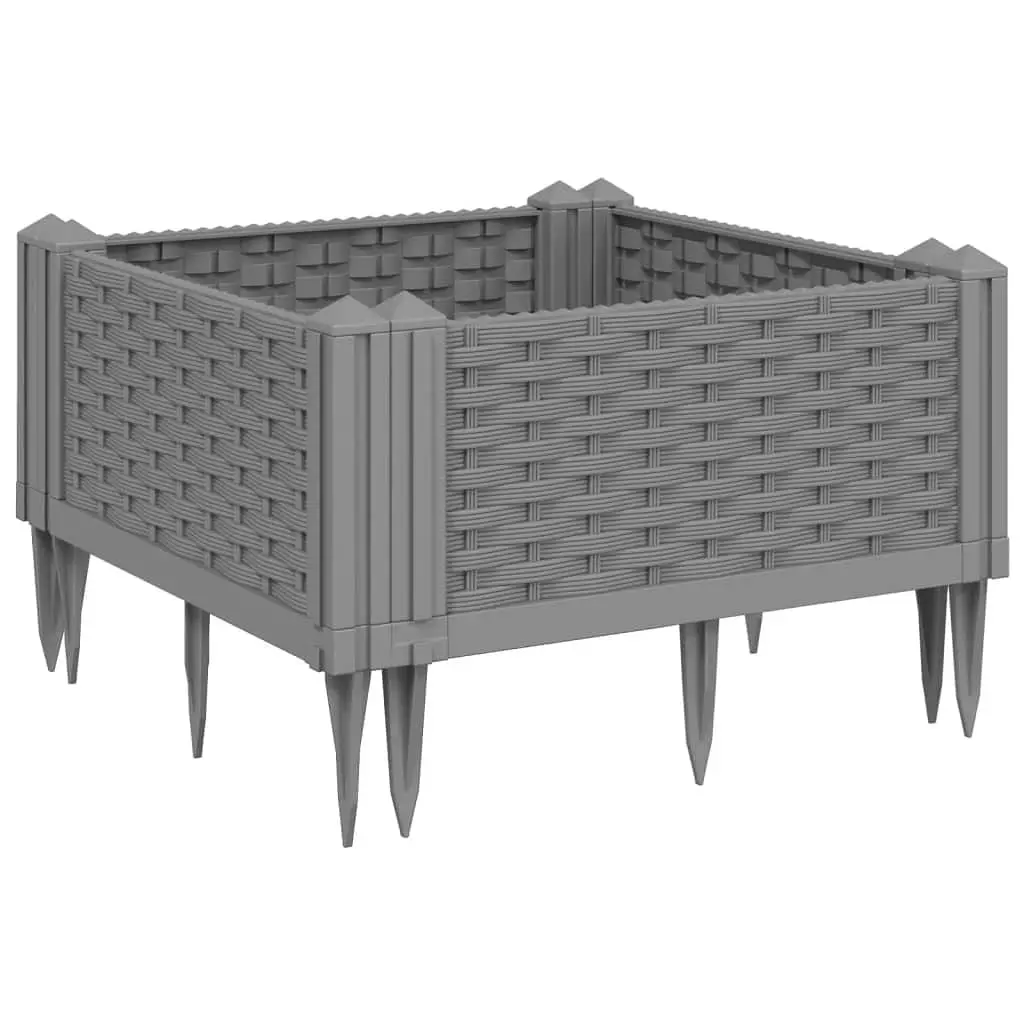
W2B VidaXL Large Light Grey Polypropylene Garden Planter 16.7 X 16.7 in Modular Eco-Friendly Outdoor Plants for Home Use
For a durable and eco-friendly option, consider the W2B VidaXL Large Light Grey Polypropylene Garden Planter, which is modular and perfect for home use.
Frequently asked questions
What is the best material for a large outdoor planter?
The best material depends on your climate and needs. For durability and weather resistance, polypropylene or fiberglass are excellent. Terracotta is classic but may crack in freezing temperatures. Concrete is sturdy but heavy and difficult to move.
How much soil does a large outdoor planter need?
The soil volume depends on the planter’s dimensions. A 16×16 inch planter typically holds about 10-12 gallons of soil. Always check the planter’s specifications and use a high-quality potting mix.
Can I leave my large outdoor planter outside all year?
Yes, if it’s made of weather-resistant materials like polypropylene, concrete, or metal. However, terracotta and ceramic may need to be brought indoors or covered during freezing temperatures to prevent cracking.
How do I prevent overwatering in a large planter?
Ensure the planter has drainage holes. Elevate it slightly to allow water to escape. Use a well-draining potting mix and check the soil moisture before watering. Consider using a moisture meter for accuracy.
