
Blog
Bird Bath with Pump: A Complete Buying Guide
Buying Guide
Choosing the Right Bird Bath with Pump
A bird bath with pump can transform your garden into a lively oasis, but with so many options, how do you pick the right one? This guide will help you navigate the essentials.
Why Choose a Bird Bath with Pump?
Moving water is more than just a visual treat. It keeps the water fresh and oxygenated, which is crucial for bird health. Stagnant water can harbor mosquitoes and bacteria, while a gentle flow encourages birds to visit regularly. A bird bath with pump also adds a soothing sound that enhances your outdoor space.
Birds are naturally drawn to running water; it signals safety and cleanliness. By providing moving water, you’ll attract a wider variety of species, from robins to finches. Plus, the constant circulation reduces the need for frequent cleaning.
Types of Bird Baths with Pumps
Not all bird baths are created equal. Here are the main types you’ll encounter:
- Floating fountains: These sit on the water surface and are easy to install. They’re ideal for existing bird baths or ponds.
- Solar-powered pumps: Eco-friendly and cost-effective, these rely on sunlight, so they work best in sunny locations.
- Electric pumps: Reliable and consistent, these are perfect for larger baths or those in shaded areas.
- Integrated designs: These come with a built-in pump and basin, offering a seamless look.
Consider your climate and the size of your garden when choosing. For colder regions, look for pumps that can be easily removed for winter storage.
Key Features to Look For
When shopping, focus on these essential features to ensure durability and ease of use:
- Adjustable flow: A pump with variable speed lets you control the water height, from a gentle trickle to a bubbly fountain.
- Filter system: A good filter keeps debris out and reduces algae growth, making maintenance a breeze.
- Material: Choose weather-resistant materials like resin or metal that can withstand sun and rain.
- Easy cleaning: Look for designs that allow quick access to the pump and basin for regular cleaning.
Also, check the pump’s power consumption and noise level. A quiet pump is essential for a peaceful garden.
Understanding Pump Capacity and Power
The pump’s capacity, measured in gallons per hour (GPH), determines how much water it can circulate. For a small bird bath, a pump with 50-100 GPH is sufficient. Larger baths or those with waterfalls need higher GPH. Power consumption is another factor; electric pumps use about 5-10 watts, while solar pumps are more energy-efficient.
Always match the pump to the size of your basin to avoid overflow or splashing. A pump that’s too strong might scare birds away, while one that’s too weak won’t provide enough movement.
Installation and Placement Tips
Proper installation ensures your bird bath works efficiently and safely. Here are some tips:
- Level surface: Place the bath on a flat, stable base to prevent tipping.
- Near cover: Position it near shrubs or trees so birds can escape predators.
- Partial shade: Avoid full sun to reduce water evaporation and algae growth.
- Easy access: Ensure the pump cord reaches an outdoor outlet, or opt for solar.
If you’re using an electric pump, consider a GFCI outlet for safety. For solar pumps, place the panel where it gets maximum sunlight.
Maintenance and Cleaning
Regular upkeep is key to keeping your bird bath with pump in top shape. Clean the basin and pump every few days, especially in summer. Use a mild bleach solution (1 part bleach to 9 parts water) to disinfect, then rinse thoroughly. Remove debris and check for algae buildup. During winter, drain the system and store the pump indoors to prevent damage.
A clean bird bath not only looks better but also prevents the spread of diseases among birds. For more on bird health, see the Bird health article on Wikipedia.
Enhancing Your Bird Bath Experience
To make your bird bath a focal point, consider adding decorative stones or plants around it. You can also install a dripper or mister attachment to create a rainforest effect. Some bird baths come with LED lights for evening ambiance. Remember, the goal is to create a welcoming environment for birds and a pleasant view for you.
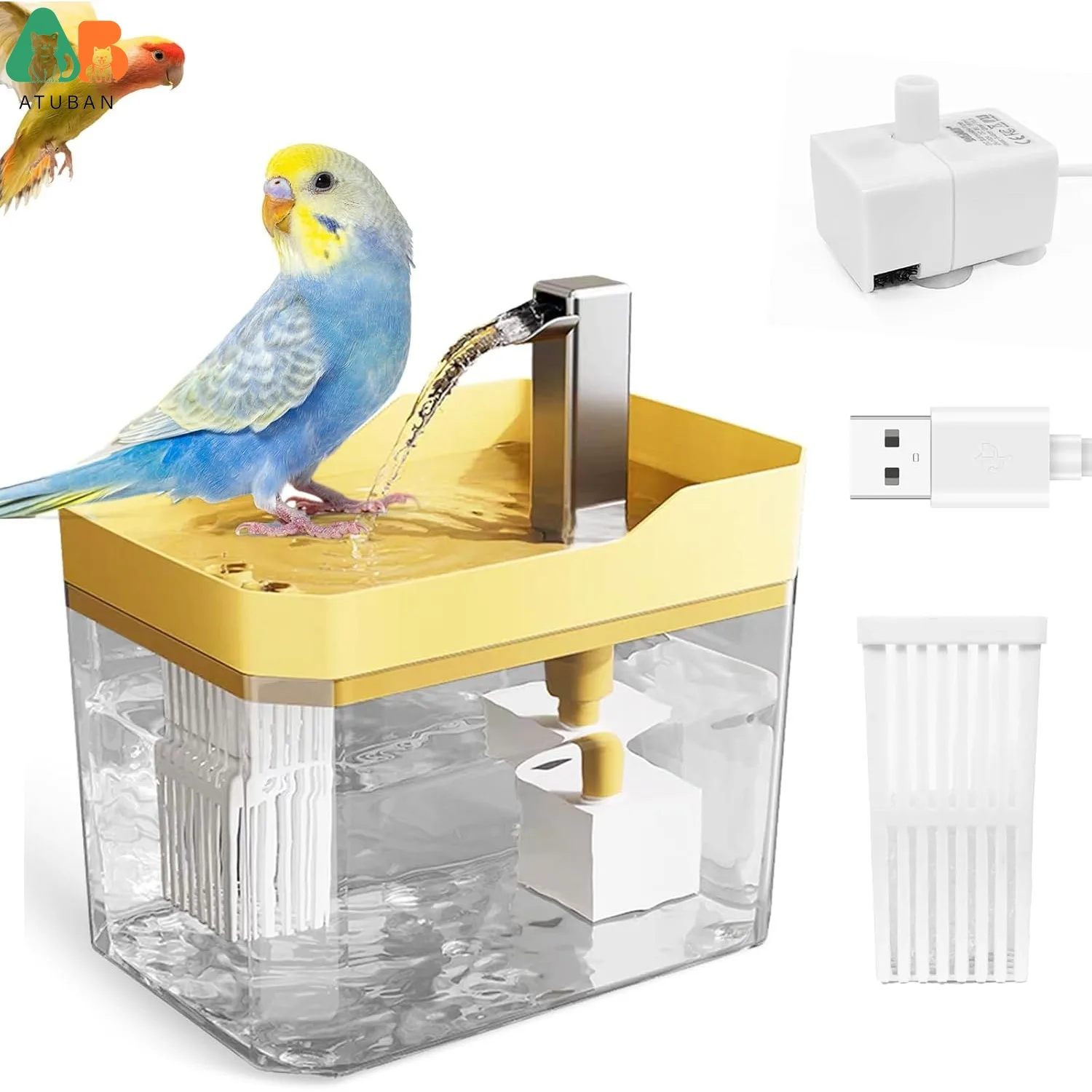
If you’re looking for a reliable option, consider the ATUBAN Automatic Parakeet Bird Bath with Pump. It’s designed with a gentle stream that birds love, and it’s easy to set up indoors or outdoors. But regardless of your choice, a bird bath with pump is a rewarding addition to any yard.
ATUBAN Automatic Parakeet Bird Bath with Pump, Bird Shower Fountain Indoor Bathtub with Running Water, Parrot Bath Tub Faucet
For a hassle-free option, the ATUBAN Automatic Parakeet Bird Bath with Pump offers a gentle, recirculating stream that birds adore, and it’s simple to set up right out of the box.
Frequently asked questions
How often should I clean my bird bath with pump?
You should clean the basin and pump every 2-3 days, especially during warm weather. Use a mild bleach solution to disinfect, then rinse thoroughly to remove any residue.
Can a bird bath with pump be used in winter?
It’s best to drain the water and remove the pump during freezing temperatures to prevent damage. You can store the pump indoors and resume use in spring.
What size pump do I need for my bird bath?
For a standard bird bath, a pump with a flow rate of 50-100 gallons per hour is sufficient. Larger basins or those with waterfalls may require a higher capacity pump.
Are solar-powered bird bath pumps effective?
Yes, solar-powered pumps are effective in sunny locations. They are eco-friendly and cost nothing to run, but they may not work well in shaded areas or during cloudy days.
