
Blog
Acrylic Window Bird Feeder: A Clear View of Nature
Bird Feeding
Acrylic Window Bird Feeder: Up-Close Birdwatching
An acrylic window bird feeder brings the wonder of birds right to your living room. With a clear view, you can observe feathered friends without disturbing them.
Why Choose an Acrylic Window Bird Feeder?
Acrylic window bird feeders have surged in popularity for good reason. Unlike traditional feeders that hang from trees or poles, these attach directly to your window, offering an unobstructed, close-up view of visiting birds. The transparent material ensures you see every detail—from the flash of a cardinal’s crest to the delicate hop of a chickadee. Plus, they’re a fantastic way to introduce children to nature without leaving home.
Another advantage is the reduced risk of window collisions. Birds often fly into glass because they see reflections of sky or trees. A feeder on the window breaks up the reflection and gives birds a visual cue, making the area safer. Additionally, you’ll spend less time refilling since these feeders typically have a smaller capacity, but that also means more frequent visits from your avian neighbors.
How to Choose the Right Acrylic Feeder
When shopping for an acrylic window bird feeder, consider the following:
- Size: A compact feeder (around 12x5x6 inches) is ideal for most windows and easy to handle.
- Mounting System: Look for sturdy suction cups that can hold the feeder securely. Some models also come with hooks for additional support.
- Drainage: Proper drainage holes prevent water buildup, keeping seed dry and mold-free.
- Ease of Cleaning: A feeder that opens easily or comes apart simplifies maintenance.
Remember, the feeder should be easily accessible for refilling and cleaning, but also positioned so you can enjoy the view comfortably.
Placement: Where to Put Your Window Feeder
Placement is key to a successful bird feeding experience. Here are a few tips:
- Mount the feeder on a window that you see often—perhaps near your favorite chair or kitchen table.
- Position it at eye level or slightly above, so you can watch birds comfortably.
- Choose a window that’s not in direct sunlight all day, as heat can spoil seed.
- Keep it away from busy walkways to avoid startling birds.
Also, consider the view from outside. If you have a garden, placing the feeder near trees or shrubs gives birds a safe escape route.
Attracting a Variety of Birds
Different birds prefer different seeds. Black-oil sunflower seeds are a favorite for many species, including cardinals, finches, and chickadees. You can also offer millet for ground-feeding birds like juncos and sparrows. If you’re in an area with woodpeckers, try suet. Keep in mind that some birds, like hummingbirds, prefer nectar—though they won’t visit a seed feeder.
To attract a wider variety, you can also place a small dish of mealworms or fruit nearby. However, be aware that certain foods may attract unwanted guests like squirrels or raccoons. If that’s a concern, look for feeders with weight-sensitive perches or place the feeder higher up.
Cleaning and Maintenance Tips
Regular cleaning is essential for bird health. Dirty feeders can harbor bacteria and mold, which can be harmful. Here’s a simple routine:
- Empty leftover seed every few days.
- Wash the feeder with warm, soapy water or a diluted bleach solution (1 part bleach to 9 parts water).
- Rinse thoroughly and let it dry completely before refilling.
- Check the suction cups periodically to ensure they’re still firm.
Acrylic is easy to clean, but avoid abrasive scrubbers that can scratch the surface. A soft cloth or sponge works best.
Understanding Bird Behavior at Your Feeder
Once your feeder is up, you’ll notice fascinating behaviors. Birds often visit in the early morning and late afternoon. Some species are territorial, like blue jays, while others, like goldfinches, feed peaceably in groups. You might see dominant birds chase others away, but don’t worry—that’s natural.
You’ll also observe different feeding styles: some birds cling to the feeder, others perch, and some grab seed and fly to a branch to eat. Over time, you’ll learn the personalities of your regular visitors. This is one of the most rewarding aspects of bird feeding.
Seasonal Considerations
Bird activity varies by season. In winter, birds need high-energy foods like suet and peanuts. In spring and summer, they’re busy nesting and may appreciate protein-rich mealworms. During migration, you might see unusual species passing through. Keep your feeder stocked year-round to support birds and enjoy continuous entertainment.
If you live in a cold climate, make sure the suction cups are rated for low temperatures, as they can lose grip. Some feeders have a heater option for winter, but acrylic is generally resistant to cracking.
Safety for Birds and Your Home
To prevent window collisions, some people place decals or tape on the outside of the window. However, an acrylic feeder itself helps because it provides a visual cue. Also, ensure the feeder is stable and doesn’t swing in the wind, as that can startle birds.
Keep the area around the feeder clean to avoid attracting rodents. And if you have a cat, consider placing the feeder where your cat can’t reach it, or keep your cat indoors—it’s safer for both.
For more information on bird feeding, you can visit the Cornell Lab of Ornithology, a reputable source for all things bird-related.
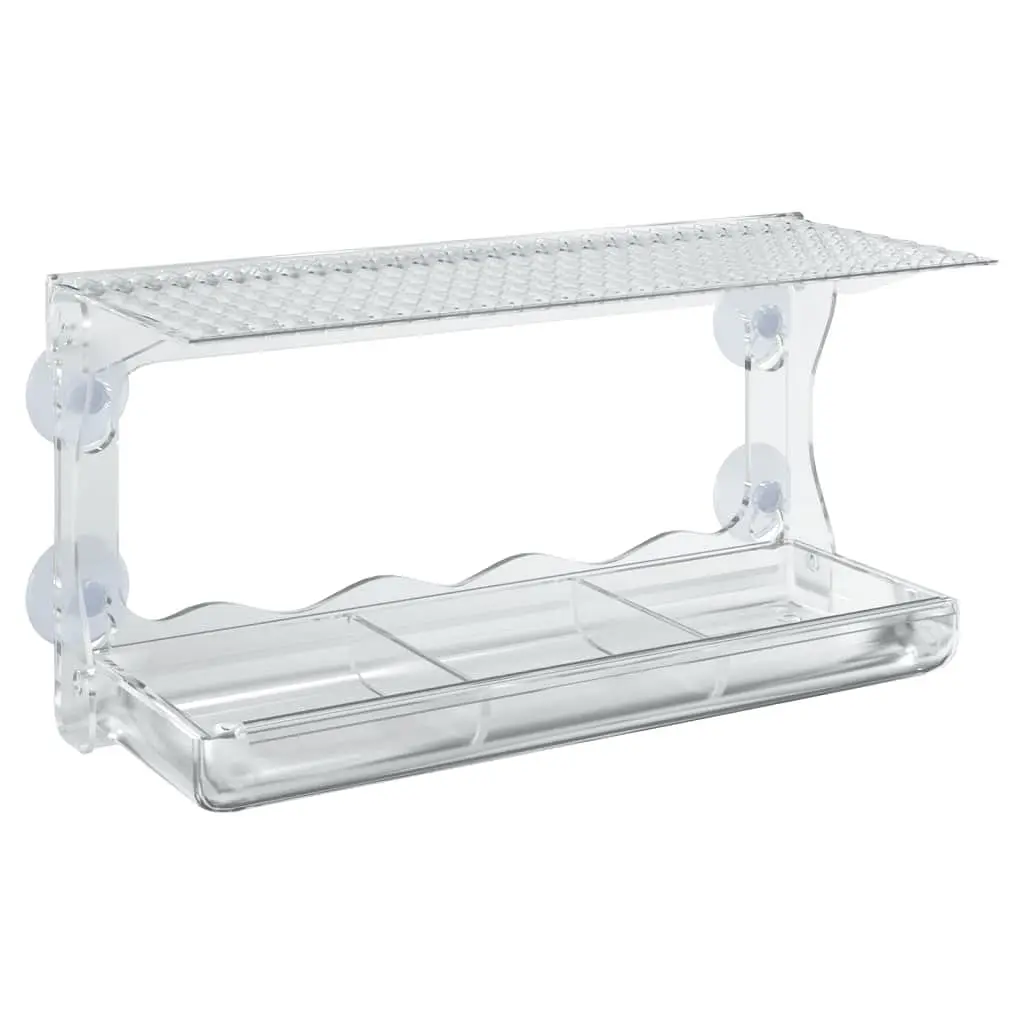
W2B VidaXL Window Bird Feeder Transparent Acrylic 11.8 X 4.7 X 5.9 in for Animal Lovers
If you’re looking for a reliable acrylic window bird feeder, the W2B VidaXL Window Bird Feeder Transparent Acrylic 11.8 X 4.7 X 5.9 in for Animal Lovers offers a sturdy design and crystal-clear views.
Frequently asked questions
How do I attach an acrylic window bird feeder?
Most acrylic feeders come with strong suction cups. Clean the window surface, press the cups firmly, and lock them if they have a lock mechanism. For extra security, some models include a small hook that rests on the window sill.
Will an acrylic window feeder cause birds to hit the window?
Actually, it can help reduce collisions. The feeder breaks up the reflection and gives birds a visual cue that there’s an obstacle. Place it close to the glass to minimize the chance of birds flying into the window.
What is the best seed to use in an acrylic window feeder?
Black-oil sunflower seeds are a great all-around choice, attracting a wide variety of birds. You can also use a mix that includes millet and cracked corn. Avoid cheap filler seeds like red milo, which many birds ignore.
How often should I clean my window feeder?
Clean it every two weeks or more often in warm weather. Remove old seed, wash with soapy water, rinse thoroughly, and let it dry. A clean feeder prevents disease and keeps birds coming back.
