
Blog
Large Blue Planter: The Ultimate Buying Guide
Buying Guide
Choosing the Perfect Large Blue Planter
A large blue planter can transform your outdoor or indoor space into a vibrant oasis. In this guide, we’ll help you navigate the world of large blue planters, from materials to placement, so you can make a confident choice.
Why Choose a Large Blue Planter?
A large blue planter is more than just a container for your plants; it’s a statement piece that adds color and personality to your garden, patio, or living room. Blue is a calming color that complements greenery beautifully, creating a serene atmosphere. Moreover, a large planter provides ample space for root growth, allowing your plants to thrive. Whether you’re growing a small tree, a shrub, or a mix of flowers, a large blue planter offers both functionality and aesthetic appeal.
When selecting a large blue planter, consider the style of your space. Do you prefer a modern, sleek look or a more traditional, rustic feel? The right planter can tie your outdoor decor together or become a focal point in an indoor room. With so many options available, it’s essential to know what to look for to ensure you get the best value and performance.
Materials: What to Look For
The material of your large blue planter affects its durability, weight, and maintenance. Here are the most common options:
- Plastic: Lightweight, affordable, and resistant to cracking. High-quality recycled plastic is eco-friendly and often UV-stabilized to prevent fading.
- Fiberglass: Durable and lightweight, with a sleek finish. It can withstand extreme temperatures and is easy to move.
- Concrete: Heavy and sturdy, ideal for permanent placement. It provides excellent insulation for roots but may require a dolly to move.
- Ceramic: Beautiful and glazed, but heavy and prone to chipping. It’s best for indoor use or protected outdoor areas.
When choosing a material, think about your climate and where the planter will be placed. For instance, if you live in an area with freezing winters, a frost-proof material like fiberglass or recycled plastic is a safer choice.
Drainage and Water Management
Proper drainage is crucial for plant health. A large blue planter without adequate drainage holes can lead to waterlogged soil, which causes root rot. Look for planters with multiple drainage holes at the bottom. Some planters come with a removable plug so you can control water flow, which is handy for indoor use. Additionally, consider using a pot saucer to catch excess water and protect your floors or patio.
If you fall in love with a planter that lacks drainage holes, you can often drill your own, but be cautious with materials like ceramic or glazed pottery. For a simpler solution, use a plastic liner with holes inside the decorative planter.
Size and Weight Considerations
When choosing a large blue planter, size matters. Measure the area where you intend to place it. A planter that is too large can overwhelm a small balcony, while one that is too small might not provide enough root space for your plant. As a rule of thumb, the planter should be at least 2 inches larger in diameter than the plant’s root ball. Also, consider the weight of the planter when filled with soil and a wet plant—it can be surprisingly heavy. If you plan to move it seasonally, opt for a lighter material like plastic or fiberglass.
Think about the mature size of your plant. A large blue planter can accommodate a plant that will grow for several years, reducing the need for repotting. This is especially important for trees and large shrubs.
Indoor vs. Outdoor Use
While many large blue planters are versatile, some are better suited for specific environments. Outdoor planters need to withstand weather conditions like sun, rain, and frost. Look for UV-resistant materials to prevent color fading. Indoor planters should have a waterproof seal and a tray to protect your floors. Also, consider the lighting: if your indoor planter will be near a sunny window, a lighter color might reflect heat better.
If you’re using the planter outdoors, think about wind exposure. A tall planter can act like a sail, so you may need to add weight to the bottom or choose a sturdy, heavy material. For indoor use, a planter with wheels can make moving your plant easier, especially for large specimens.
Style and Color Coordination
A large blue planter can be a bold accent or a subtle complement. The shade of blue matters: navy is classic and formal, sky blue is airy and casual, and teal adds a tropical vibe. Consider the existing colors in your space. Blue pairs well with white, gray, and natural wood tones. It also contrasts beautifully with orange or yellow flowers for a vibrant display.
Think about the shape of the planter. Round planters are traditional and fit well in corners, while rectangular or square planters are great for defining spaces or lining a pathway. If you have a modern aesthetic, clean lines and a matte finish might appeal to you. For a more classic look, a textured or glazed finish adds elegance.
Eco-Friendly Options
If sustainability is important to you, look for large blue planters made from recycled materials. Many manufacturers now produce planters from recycled plastic or reclaimed wood, reducing waste and environmental impact. These eco-friendly options are often just as durable and stylish as their non-recycled counterparts. Additionally, consider the longevity of the planter: a well-made planter that lasts for years is more sustainable than a cheap one that needs replacing frequently.
Recycled plastic planters, for example, are not only eco-friendly but also resistant to cracking and fading. They are a great choice for both indoor and outdoor use, and they come in a variety of shades of blue to match your decor.
Where to Place Your Large Blue Planter
Placement is key to making the most of your large blue planter. In the garden, use it as a focal point near an entrance or at the end of a path. On a patio, group it with other planters of varying heights to create visual interest. Indoors, a large blue planter can anchor a living room corner or brighten a sunroom. Make sure the location provides the right amount of sunlight for your plants—some plants need full sun, while others thrive in shade.
Consider the traffic flow: you don’t want a planter blocking a walkway. Also, think about access for watering and maintenance. If the planter is in a hard-to-reach spot, you might neglect your plants. Choose a location that is both beautiful and practical.
Maintenance Tips for Longevity
To keep your large blue planter looking its best, regular maintenance is essential. Clean it periodically with mild soap and water to remove dirt and algae. If the planter is outdoors, check for cracks or damage after extreme weather. For plastic and fiberglass planters, a UV protectant spray can help prevent fading. If you notice the color dulling, a fresh coat of paint specifically for the material can revive it.
Also, refresh the soil every couple of years to ensure your plants get the nutrients they need. When repotting, take the opportunity to clean the planter thoroughly and inspect the drainage holes.
For a reliable and eco-friendly option, consider a recycled plastic planter that offers durability and style.
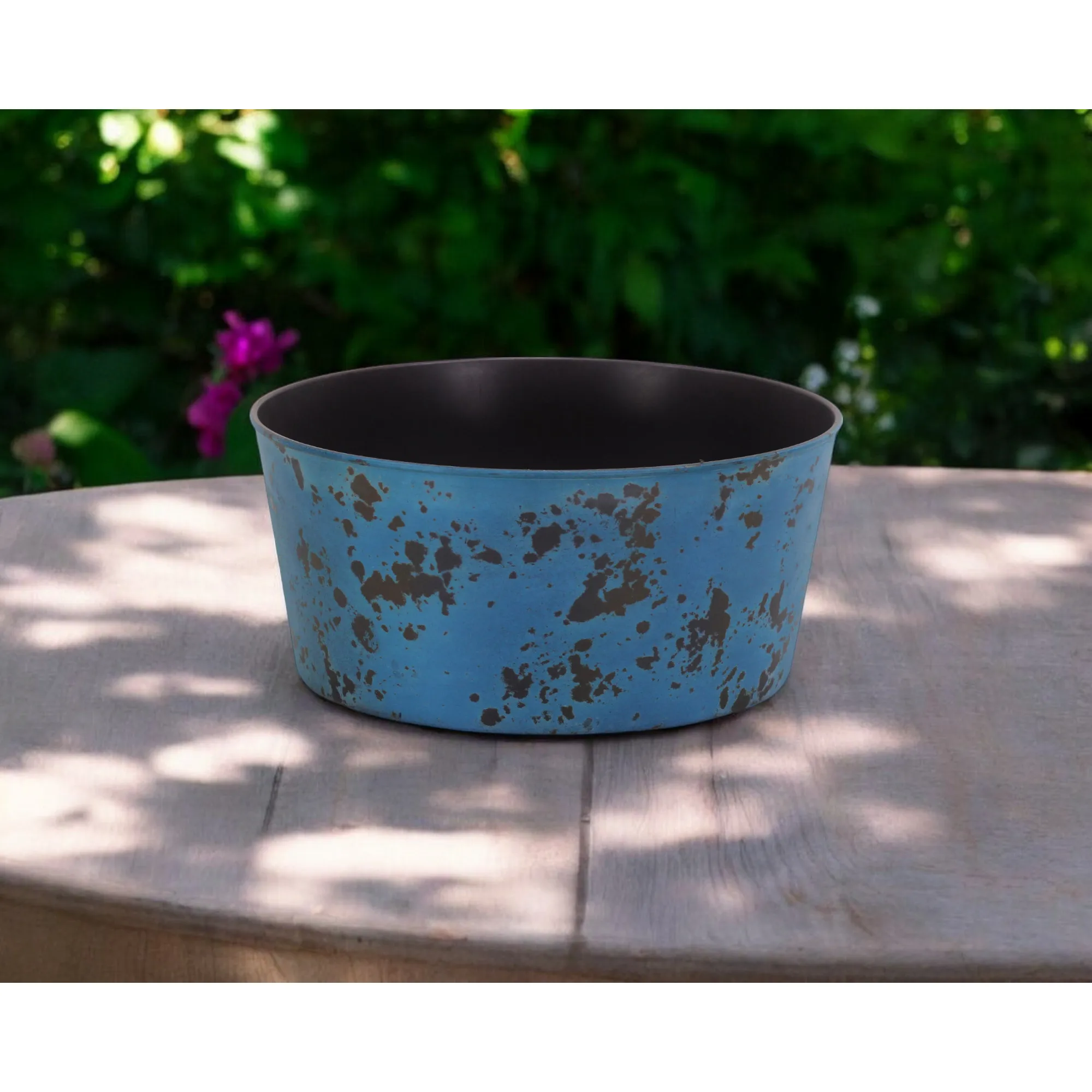
12″ Large Blue Recycled Plastic Round Pot Planter Eco-Friendly Indoor/Outdoor Flower Pot Powder Coated Finish for Gardening
For a durable and eco-friendly option, consider the 12″ Large Blue Recycled Plastic Round Pot Planter, which offers a powder-coated finish and is perfect for both indoor and outdoor gardening.
Frequently asked questions
What is the best material for a large blue planter?
The best material depends on your needs. Plastic is lightweight and affordable, fiberglass is durable and sleek, concrete is sturdy but heavy, and ceramic is beautiful but fragile. For most people, high-quality recycled plastic or fiberglass offers the best balance of durability and ease of use.
How many drainage holes does a large planter need?
A large planter should have at least 3-5 drainage holes, each about 1/2 inch in diameter. More holes may be needed for very large planters. Ensure the holes are evenly distributed to prevent waterlogging.
Can I use a large blue planter indoors?
Yes, but ensure it has a waterproof tray or saucer to catch excess water. Choose a material that won’t damage floors, like plastic or fiberglass. Also, consider the weight when filled with soil and plant.
How do I prevent the color of my blue planter from fading?
To prevent fading, choose a planter made from UV-stabilized materials. If it’s outdoors, you can apply a UV protectant spray periodically. Also, consider placing it in a spot that gets some shade during the hottest part of the day.
