
Blog
Propane Fire Bowl Buying Guide: Warmth & Style
Buying Guide
How to Choose a Propane Fire Bowl
A propane fire bowl is a versatile addition to any outdoor space, offering warmth and ambiance without the hassle of wood. Here’s what you need to know before making a purchase.
Why Choose a Propane Fire Bowl?
Propane fire bowls have become a favorite for homeowners seeking convenience and style. Unlike wood-burning pits, they ignite instantly, produce no smoke, and are easier to control. Whether you’re hosting a cozy evening or simply relaxing after work, a propane fire bowl provides consistent heat and a welcoming glow. Plus, with no ash or soot to clean up, maintenance is a breeze.
Key Factors to Consider When Buying
Before you invest in a propane fire bowl, there are several important aspects to evaluate. Your choice will affect not only the look but also the safety and functionality of the fire feature.
1. Material and Durability
The material of the fire bowl determines its longevity and appearance. Common options include steel, cast aluminum, and concrete. Steel is sturdy but may rust over time if not coated. Cast aluminum is lightweight and resistant to corrosion. Concrete offers a modern, solid look but can crack in freezing temperatures. Look for materials that are weather-resistant and built to last.
2. Heat Output and Size
Heat output, measured in BTUs (British Thermal Units), indicates how much warmth the fire bowl produces. For a typical patio, 30,000 to 50,000 BTUs is sufficient. Consider the size of your space: a larger bowl will provide a bigger flame but may be overpowering for a small balcony. Also, think about the diameter—most bowls range from 30 to 50 inches. A good rule is to match the size to your seating area.
3. Safety Features
Safety should be a top priority. Look for a fire bowl with a sturdy base to prevent tipping, and ensure it has a reliable ignition system. Many models include a thermocouple that automatically shuts off the gas if the flame goes out. If you have children or pets, consider a cover or a model with a low profile to reduce risks.
4. Fuel Type and Efficiency
Propane is a clean-burning fuel, and you’ll need a standard 20-pound tank, which is portable and easy to replace. Some fire bowls are designed to be connected to a natural gas line, but propane offers flexibility for those who rent or move. Check the BTU rating to estimate fuel consumption—on high, a fire bowl may use about 1 pound of propane per hour, so plan accordingly.
Styles and Aesthetics
Your propane fire bowl should complement your outdoor decor. There are endless styles, from sleek and modern to rustic and traditional. Consider the shape: round bowls are classic, while rectangular ones add a contemporary touch. The finish—whether polished stainless steel, matte black, or textured stone—can elevate your patio’s look. Think about how the fire bowl will fit with your furniture and landscaping.
Installation and Placement
Proper placement is crucial for both safety and enjoyment. Always place the fire bowl on a flat, non-combustible surface, such as concrete or pavers. Keep it at least 10 feet away from structures and overhanging branches. If you plan to use it on a deck, ensure the surface can withstand the heat. Many fire bowls are freestanding, but some can be built into a table or a permanent fixture. Check local building codes for any restrictions.
Maintenance and Care
To keep your propane fire bowl in top condition, regular maintenance is essential. Clean the burner and the bowl periodically to remove debris and prevent blockages. Cover the fire bowl when not in use to protect it from the elements. Check the gas lines and connections for leaks, especially after a long storage period. With proper care, your fire bowl will provide years of enjoyment.
Environmental Considerations
Propane is a relatively eco-friendly fuel compared to wood, as it produces fewer emissions and particulate matter. However, it is a fossil fuel, so consider the source. For a more sustainable option, look for fire bowls made from recycled materials or those that are energy-efficient. Some models are designed with ceramic glass that radiates heat more effectively, reducing fuel consumption.
Accessorize Your Fire Bowl
Enhance your experience with accessories like lava rocks or fire glass, which not only look beautiful but also help distribute heat. A weatherproof cover will protect your investment, and a wind guard can keep the flame steady on breezy days. Many people also add a spark screen for safety. These small additions can make a big difference in functionality and style.
For more information on the science of combustion and safety, you can refer to this article about propane.
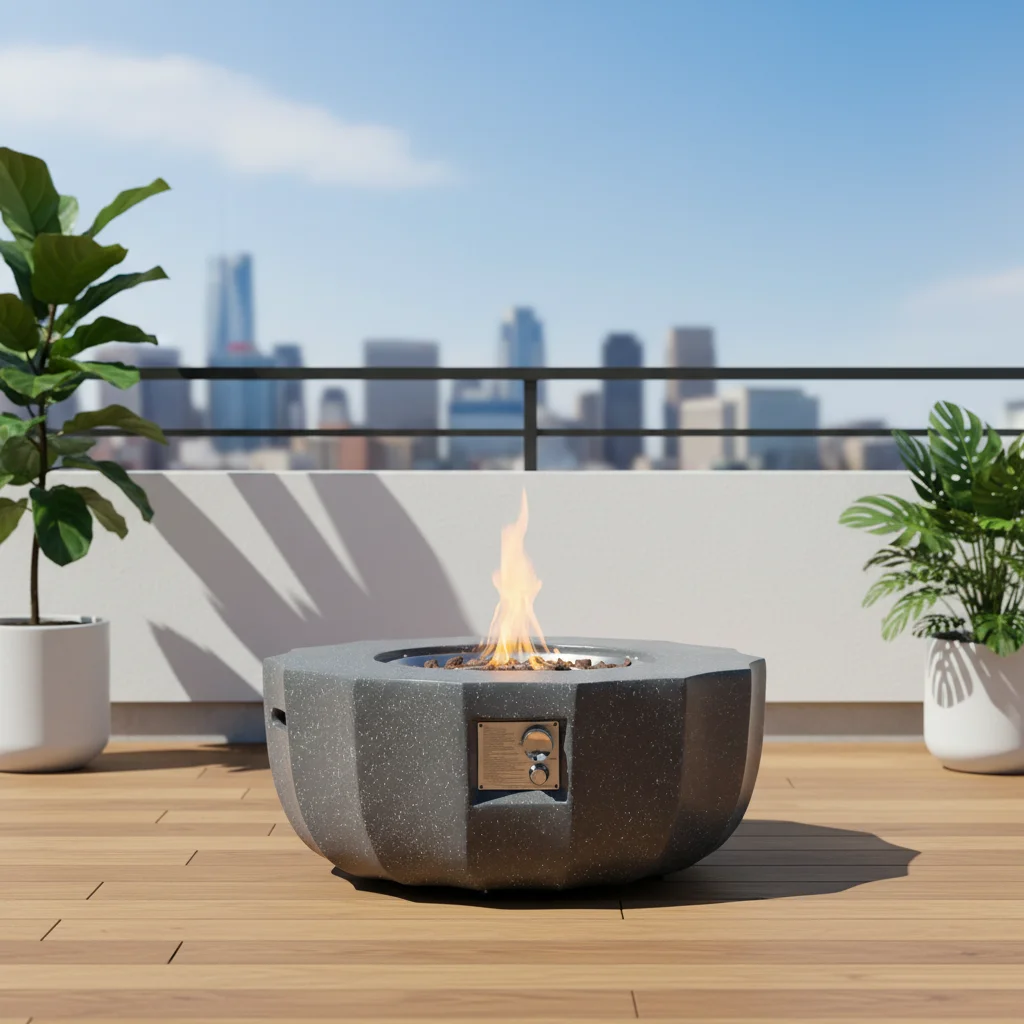
Enjoy 40000BTU Petal-Shaped Propane Gas Fire Bowl MGO Material Eco-Friendly Freestanding Indoor/Outdoor Fire Pit Table Patio
For a durable and stylish option, consider the Enjoy 40000BTU Petal-Shaped Propane Gas Fire Bowl, crafted from eco-friendly MGO material and suitable for both indoor and outdoor use.
Frequently asked questions
Can a propane fire bowl be used indoors?
Most propane fire bowls are designed for outdoor use only due to ventilation requirements. Using them indoors can lead to carbon monoxide buildup. Always check the manufacturer’s instructions and ensure proper ventilation if you consider indoor use.
How long does a 20 lb propane tank last with a fire bowl?
On average, a 20 lb propane tank will last about 5-6 hours at high output (around 40,000 BTUs) and longer on lower settings. Actual duration depends on the BTU rating and the heat setting you use.
What is the difference between a fire bowl and a fire pit?
A fire bowl typically refers to a bowl-shaped vessel that holds the fire, often elevated on a stand. A fire pit is a broader term that includes various designs, including in-ground or tabletop models. Fire bowls are usually more portable and stylish, while fire pits can be larger and more permanent.
Are propane fire bowls safe on a wooden deck?
It is generally safe if you place a fire-resistant mat or pad under the bowl to protect the deck from heat and sparks. Always follow the manufacturer’s guidelines and keep the bowl at a safe distance from any flammable materials.
