
Blog
The Joy of Bird Feeding: A Complete Guide to Choosing the Perfect Bird Feeder
Bird Feeding
Your Ultimate Guide to Choosing a Bird Feeder
The sight of a colorful bird feeder swaying gently in the breeze, attracting a flurry of feathered friends, is a simple pleasure that brings nature right to your window. Whether you’re a seasoned birder or just starting to explore the world of backyard wildlife, choosing the right bird feeder is key to creating a welcoming haven for birds.
Why Add a Bird Feeder to Your Garden?
Bird feeders do more than just decorate your outdoor space; they provide a vital food source for birds, especially during harsh winters or when natural food is scarce. By offering a reliable feeding station, you can enjoy the beauty of birds up close, contribute to local biodiversity, and even help with pest control as birds snack on insects. Plus, watching birds can be a wonderfully relaxing and educational activity for all ages.
If you’re new to bird feeding, you might wonder where to start. The variety of feeders available can be overwhelming, but understanding the basics will help you make an informed choice that suits your space and the birds in your area.
Types of Bird Feeders: Which One Is Right for You?
There are several common types of bird feeders, each designed to attract different species and accommodate different types of food. Here’s a quick overview:
- Hopper feeders: These look like little houses with a tray at the bottom. They hold a large amount of seed and protect it from rain, making them a popular choice for many backyard birds.
- Tube feeders: Cylindrical feeders with perches and seed ports. They are great for small birds like finches and chickadees, and they help keep seeds dry.
- Platform feeders: Open trays that are easy for birds to access, but they can waste seed and are more exposed to the elements.
- Suet feeders: Designed to hold blocks of suet, a high-energy food that attracts woodpeckers, nuthatches, and other insect-eating birds.
- Window feeders: These attach to your window for an up-close view, but they may require more frequent cleaning.
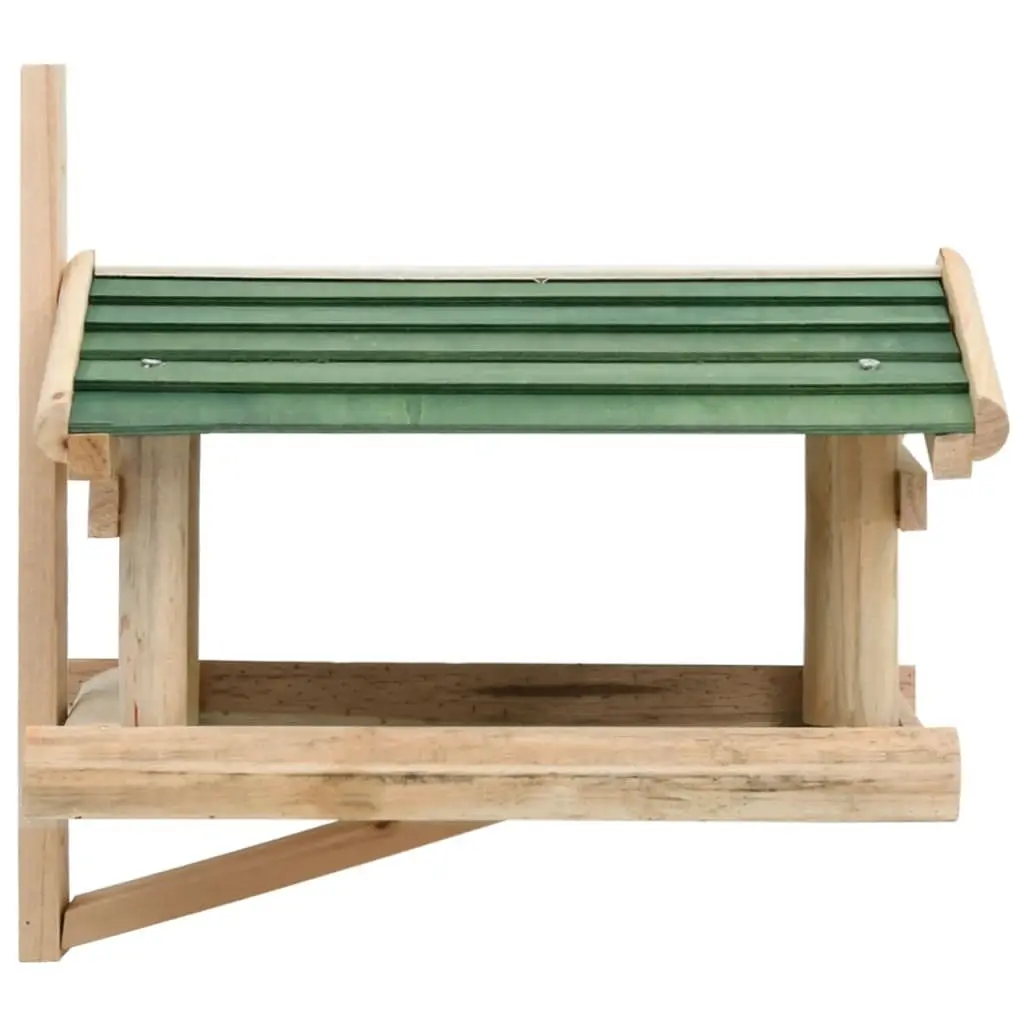
Each type has its pros and cons, so consider the birds you want to attract and the maintenance you’re willing to do. For a versatile and attractive option, a wooden hopper feeder like the W2B VidaXL Small Green and Natural Wood Solid Fir Bird Feeder Garden Supplies offers durability and charm.
Key Features to Look For in a Quality Bird Feeder
When shopping for a bird feeder, pay attention to these features to ensure you get a product that lasts and serves its purpose well:
- Material: Wooden feeders blend naturally with the environment, but they need to be treated to withstand weather. Metal feeders are durable and squirrel-resistant, while plastic is lightweight and easy to clean.
- Durability: Look for feeders made from weather-resistant materials that can handle sun, rain, and snow.
- Ease of cleaning: A feeder that is difficult to clean can harbor mold and bacteria, which is harmful to birds. Choose one with removable parts or easy access.
- Capacity: Consider how much seed you want to hold. Larger feeders require less frequent refilling but may be heavier to hang.
- Drainage: Good drainage prevents seeds from getting wet and spoiling.
- Perches and ports: Ensure they are comfortable for birds and sized appropriately for the species you want.
Where to Place Your Bird Feeder for Best Results
Placement is crucial for attracting birds and keeping them safe. Here are some tips:
- Visibility: Place the feeder where you can easily see it from a window, but also where birds can spot it from the air.
- Protection from predators: Keep the feeder near bushes or trees so birds can quickly escape from predators like cats or hawks.
- Shelter from wind: A spot that’s protected from strong winds will keep seeds from blowing out and make feeding more comfortable for birds.
- Distance from windows: If the feeder is too close to a window, birds may collide with the glass. Place it either within 3 feet or more than 30 feet away.
- Height: Most feeders are best hung about 5-6 feet off the ground, but some birds, like ground feeders, prefer feeding at lower levels.
Experiment with different locations to see what works best in your yard.
What Food to Offer: Seeds, Suet, and More
The type of food you provide will determine which birds visit. Here’s a breakdown of common options:
- Black-oil sunflower seeds: The most popular choice, attracting a wide variety of birds.
- Nyjer (thistle) seeds: Loved by finches and other small birds.
- Suet: High-energy fat, especially beneficial in winter.
- Peanuts: Attract woodpeckers, jays, and nuthatches (ensure they are unsalted and not roasted).
- Fruit and nectar: Orioles and hummingbirds enjoy these, but they require special feeders.
Remember to store seeds in a cool, dry place to prevent spoilage, and avoid using pesticides in your garden that could harm birds.
Maintaining Your Bird Feeder: Cleaning and Care
Regular cleaning is essential to prevent the spread of disease among birds. Here are some guidelines:
- Clean at least once a month (more often in warm, wet weather) with a solution of one part bleach to nine parts water.
- Rinse thoroughly and let it dry completely before refilling.
- Remove old or wet seeds to prevent mold.
- Check for damage regularly, and repair or replace broken parts.
By keeping your feeder clean, you’ll create a healthy environment for your feathered visitors.
Attracting a Variety of Birds: Tips and Tricks
If you want to maximize the number of bird species in your yard, consider these strategies:
- Offer different food types in multiple feeders to cater to various species.
- Provide water in a birdbath or shallow dish for drinking and bathing.
- Plant native vegetation that provides natural food and shelter.
- Keep cats indoors or use a bell on their collar to protect birds.
- Be patient – it may take a few weeks for birds to discover your feeder.
For more detailed information on attracting specific species, you can check resources from the Wikipedia article on bird feeders.
Choosing a Bird Feeder That Matches Your Garden Style
While function is key, your bird feeder can also enhance the aesthetic of your garden. Wooden feeders, in particular, add a natural, rustic touch that blends beautifully with most landscapes. They can be stained or painted to match your outdoor decor, and they often age gracefully, developing a charming patina.
If you prefer a more modern look, consider metal or glass feeders in sleek designs. Whichever you choose, ensure it complements the overall style of your garden while meeting the needs of the birds.
W2B VidaXL Small Green and Natural Wood Solid Fir Bird Feeder Garden Supplies
For a durable and attractive option that fits most garden styles, consider the W2B VidaXL Small Green and Natural Wood Solid Fir Bird Feeder Garden Supplies, which is built to last and brings a natural charm to your outdoor space.
Frequently asked questions
What is the best type of bird feeder for beginners?
A hopper feeder is often recommended for beginners because it holds a variety of seeds and attracts many different bird species. It’s also relatively easy to clean and fill.
How often should I clean my bird feeder?
You should clean your bird feeder at least once a month, and more often in warm, wet weather. Use a solution of one part bleach to nine parts water, rinse thoroughly, and let it dry completely before refilling.
What can I do to keep squirrels away from my bird feeder?
To deter squirrels, place the feeder on a pole with a baffle, hang it from a wire that is at least 10 feet away from any jumping-off point, or choose a feeder with a weight-sensitive mechanism that closes the seed ports.
Where should I place my bird feeder?
Place your bird feeder in a location that is visible from a window, but also near shrubs or trees for shelter. Ensure it’s protected from strong winds and predators, and keep it at least 3 feet away from windows to prevent collisions.
