
Blog
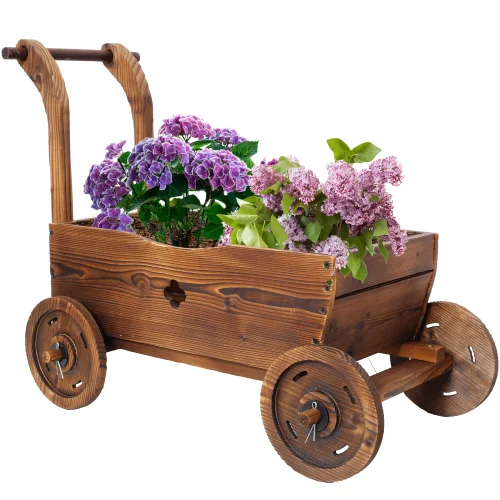
Wooden Wagon Planter: A Mobile Garden Delight
Garden & Decor
Bring Charm with a Wooden Wagon Planter
A wooden wagon planter is a delightful way to bring greenery to any space, combining rustic charm with practical mobility.
Why Choose a Wooden Wagon Planter?
A wooden wagon planter is more than just a container; it’s a statement piece that adds warmth and character to your garden, porch, or even indoor living areas. Unlike static planters, a wagon on wheels allows you to chase the sun or shelter your plants from harsh weather with ease. The natural wood texture complements both traditional and modern aesthetics, making it a versatile addition to your decor.
Beyond looks, the mobility factor is a game-changer. You can rearrange your garden layout on a whim, bring tender herbs closer to the kitchen, or roll your floral display to the perfect spot for an outdoor gathering. It’s gardening without boundaries.
The Practical Benefits of a Mobile Planter
Mobility isn’t just convenient; it’s beneficial for plant health. You can rotate your wagon to ensure even sunlight exposure, preventing lopsided growth. During unexpected frosts, simply roll the wagon to a sheltered area. For those with limited mobility, a wheeled planter reduces the strain of carrying heavy pots.
- Easy Relocation: Move your garden to follow seasonal light patterns.
- Space Optimization: Tuck it away when not needed, or use it to divide outdoor spaces.
- Versatile Use: From herb gardens to flower displays, the wagon adapts to your needs.
Choosing the Right Plants for Your Wooden Wagon Planter
When selecting plants, consider the wagon’s size and the amount of sunlight your space receives. For a sunny spot, opt for marigolds, petunias, or succulents. In shadier areas, ferns, begonias, or hostas thrive. If you’re growing herbs, choose a mix of basil, thyme, and parsley for a culinary garden on wheels.
Remember to group plants with similar water and light needs. This ensures they all flourish together. For a striking display, use the thriller-filler-spiller technique: a tall centerpiece, bushy fillers, and trailing vines over the edges.
Styling Your Wagon Planter for Every Season
One of the joys of a wooden wagon planter is its adaptability to seasonal decor. In spring, fill it with tulips and daffodils. Summer calls for vibrant annuals and trailing ivy. Autumn brings ornamental kale and mums, while winter can feature evergreen branches and pinecones.
Consider painting the wood to match your outdoor palette or leave it natural for a rustic look. Add a layer of moss around the base for a polished touch. With a little imagination, your wagon becomes a year-round centerpiece.
DIY Tips: Customizing Your Wagon Planter
If you’re handy, you can personalize your wagon planter to fit your style perfectly. Here are a few ideas:
- Sand and seal the wood to protect against moisture and rot.
- Add a liner to prevent soil from falling through the cracks.
- Install a drip tray to catch excess water, especially if used indoors.
- Attach hooks or brackets for hanging small tools or decorations.
These simple modifications can extend the life of your wagon and enhance its functionality.
Where to Place Your Wooden Wagon Planter
The beauty of a mobile planter is that you can experiment with placement. Here are some suggestions:
- Entryway: Welcome guests with a burst of color.
- Patio or Deck: Create a movable privacy screen or focal point.
- Balcony: Add greenery without permanent installations.
- Indoor: Bring a touch of nature into a sunroom or conservatory.
Just ensure the wheels are suitable for the surface—larger wheels work better on grass, while smaller ones are fine on hard floors.
Maintenance and Care for Longevity
To keep your wooden wagon planter looking its best, regular care is essential. Clean the wood periodically with a mild soap and water solution. Apply a protective sealant annually to guard against the elements. Check the wheels for debris and lubricate them if they squeak.
When moving the wagon, lift rather than drag to avoid straining the joints. If left outdoors in harsh weather, consider covering it or moving it to a sheltered spot. With proper maintenance, your wagon will serve you for many seasons.
Environmental Impact and Sustainability
Choosing a wooden wagon planter is an eco-friendly option. Wood is a renewable resource, and many manufacturers use sustainably sourced timber. By opting for a reusable planter instead of plastic, you reduce waste. Additionally, growing your own plants contributes to local biodiversity and reduces your carbon footprint.
For more on sustainable gardening practices, you can refer to [Wikipedia’s article on sustainable gardening](https://en.wikipedia.org/wiki/Sustainable_gardening).
Wooden Wagon Planter Box 4 Wheels Mobile Garden Planter Handle Drain Hole Brown FCJ for Indoor/Outdoor Decor Flower Cart Folding
For a ready-made solution, consider the Wooden Wagon Planter Box, a mobile garden cart with four wheels and a convenient handle, perfect for effortless rearranging.
Frequently asked questions
Can a wooden wagon planter be left outside in winter?
While wood can withstand some elements, prolonged exposure to freezing temperatures and moisture may cause cracking or warping. It’s best to move it to a sheltered area or cover it during harsh winters. Applying a weatherproof sealant can also help.
How many plants can I fit in a wooden wagon planter?
The number of plants depends on the wagon’s size and the plants’ growth habits. Generally, you can fit 3-5 small to medium plants in a standard-sized wagon. Be mindful not to overcrowd, as this can hinder air circulation and promote disease.
Does the wagon planter need drainage holes?
Yes, proper drainage is crucial to prevent root rot. If your wagon doesn’t have holes, you can drill a few in the bottom or use a liner with drainage. Alternatively, place a layer of gravel at the bottom to improve water flow.
Can I use a wooden wagon planter indoors?
Absolutely! It adds a rustic touch to indoor spaces. Just ensure you use a tray to catch water, and be mindful of the wood’s finish to avoid damage from moisture. Choose plants that thrive in indoor lighting conditions.
