
Blog
Solar Fountain Pump Buying Guide for a Tranquil Garden
Garden Guide
Choosing the Right Solar Fountain Pump
A solar fountain pump can transform your garden into a serene retreat, and this guide will help you find the perfect one. We’ll walk you through key features, practical tips, and what to look for, so you can make an informed choice.
Why Choose a Solar Fountain Pump?
Imagine the gentle sound of water trickling in your backyard, without the hassle of wiring or batteries. That’s the magic of a solar fountain pump. It harnesses the sun’s energy to circulate water, creating a beautiful focal point that also benefits your garden by attracting birds and providing a calming ambiance.
Solar fountain pumps are not only eco-friendly but also cost-effective in the long run. They require minimal maintenance and can operate automatically when the sun shines. However, with so many options available, it’s essential to understand what makes a good pump and how to match it to your needs.
How Solar Fountain Pumps Work
At the heart of every solar fountain pump is a solar panel that converts sunlight into electricity. This electricity powers a DC motor that drives the impeller, drawing water from the fountain and pushing it upwards through the nozzle. The water then falls back, creating a continuous cycle.
Most pumps have a built-in battery that stores excess energy, allowing them to run for a few hours after sunset or during cloudy periods. Some models, like the Goldoma pump, are designed for all seasons, with a battery that can be recharged via USB if needed.
Key Components
- Solar panel: Efficiency and size matter – larger panels generally produce more power.
- Pump housing: Look for durable materials like ABS plastic or stainless steel.
- Impeller: A well-designed impeller ensures smooth water flow and longevity.
- Battery: Lithium-ion batteries are common; capacity determines run time.
What to Look for in a Solar Fountain Pump
When shopping for a solar fountain pump, you’ll encounter a range of specifications. Here’s what to focus on:
Water Flow Rate and Height
The flow rate (measured in liters per hour) and maximum lift height determine the fountain’s visual impact. For a bird bath, a modest flow is sufficient, but for a larger pond, you might need a higher capacity. Check the product specifications to ensure it matches your intended use.
Solar Panel Size and Efficiency
Larger solar panels generally mean faster pumping, but efficiency also depends on the panel’s quality. Monocrystalline panels are more efficient than polycrystalline, but they also cost more. If your fountain will be in a partially shaded area, a more efficient panel is worth the investment.
Battery Backup
If you want your fountain to run during the evening or on cloudy days, consider a model with a battery. The battery capacity (usually given in mAh) determines how long it can run without sunlight. Some pumps also have a USB charging port for manual recharging.
Durability and Weather Resistance
Outdoor conditions can be harsh, so look for pumps with an IP65 rating or higher. This ensures protection against dust and water jets. Materials like stainless steel or UV-resistant plastic will withstand sun exposure and extreme temperatures.
Understanding IP Ratings
IP (Ingress Protection) ratings indicate how well a device is sealed against solids and liquids. The first digit (0-6) rates protection against solid particles, and the second (0-8) rates against liquids. For a solar fountain pump, an IP65 rating is ideal: dust-tight and protected against water jets. Some pumps may be IP68, meaning they can be submerged continuously, but this is often more than needed for a garden fountain.
When comparing pumps, don’t overlook the IP rating. A pump with a lower rating may fail prematurely if exposed to heavy rain or splashes. For example, the Goldoma solar fountain pump boasts an IP65 rating, making it suitable for all-weather outdoor use.
Choosing the Right Size for Your Space
Solar fountain pumps come in various sizes, from small, floating models for bird baths to larger submersible units for ponds. Measure your water feature to determine the appropriate pump size. A pump that’s too small won’t create the desired effect, while one that’s too large may cause water to splash out.
Also, consider the height of the fountain spray. If you have a shallow bowl, a low spray height is better to avoid water loss. Some pumps come with multiple nozzles to adjust the spray pattern, giving you flexibility.
Floating vs. Submersible
Floating pumps are easy to install – just place them in the water and let the solar panel float on top. Submersible pumps are placed at the bottom of the water feature and are often more powerful. Think about the aesthetics: a floating pump may be more visible, while a submersible one can be hidden among rocks.
Installation and Maintenance Tips
Setting up a solar fountain pump is usually straightforward, but a few tips can ensure optimal performance:
- Position the solar panel: Place it in a location that receives direct sunlight for most of the day. Avoid shade from trees or buildings.
- Keep the pump clean: Debris can clog the impeller or nozzle, so check and clean it regularly. Use a soft brush or cloth.
- Winter care: In freezing climates, remove the pump and store it indoors to prevent damage. Some pumps are designed to withstand cold, but it’s safer to store them.
- Adjust the flow: Many pumps have adjustable flow settings. Start with a lower flow to test, then increase gradually to your preference.
Regular maintenance not only extends the life of your pump but also keeps the water clean and clear.
Environmental and Aesthetic Benefits
Beyond the visual appeal, a solar fountain pump contributes to a healthier garden ecosystem. The moving water aerates the pond or bird bath, reducing mosquito breeding and providing oxygen for aquatic life. It also attracts birds, which can help with pest control and pollination.
From a design perspective, the sound of water adds a dimension of tranquility to your outdoor space. It can mask unwanted noise from traffic and create a peaceful retreat for relaxation or meditation.
Final Thoughts
Selecting the right solar fountain pump involves balancing your aesthetic preferences, technical requirements, and budget. By focusing on the factors outlined above, you’ll be well-equipped to make a choice that brings years of enjoyment.
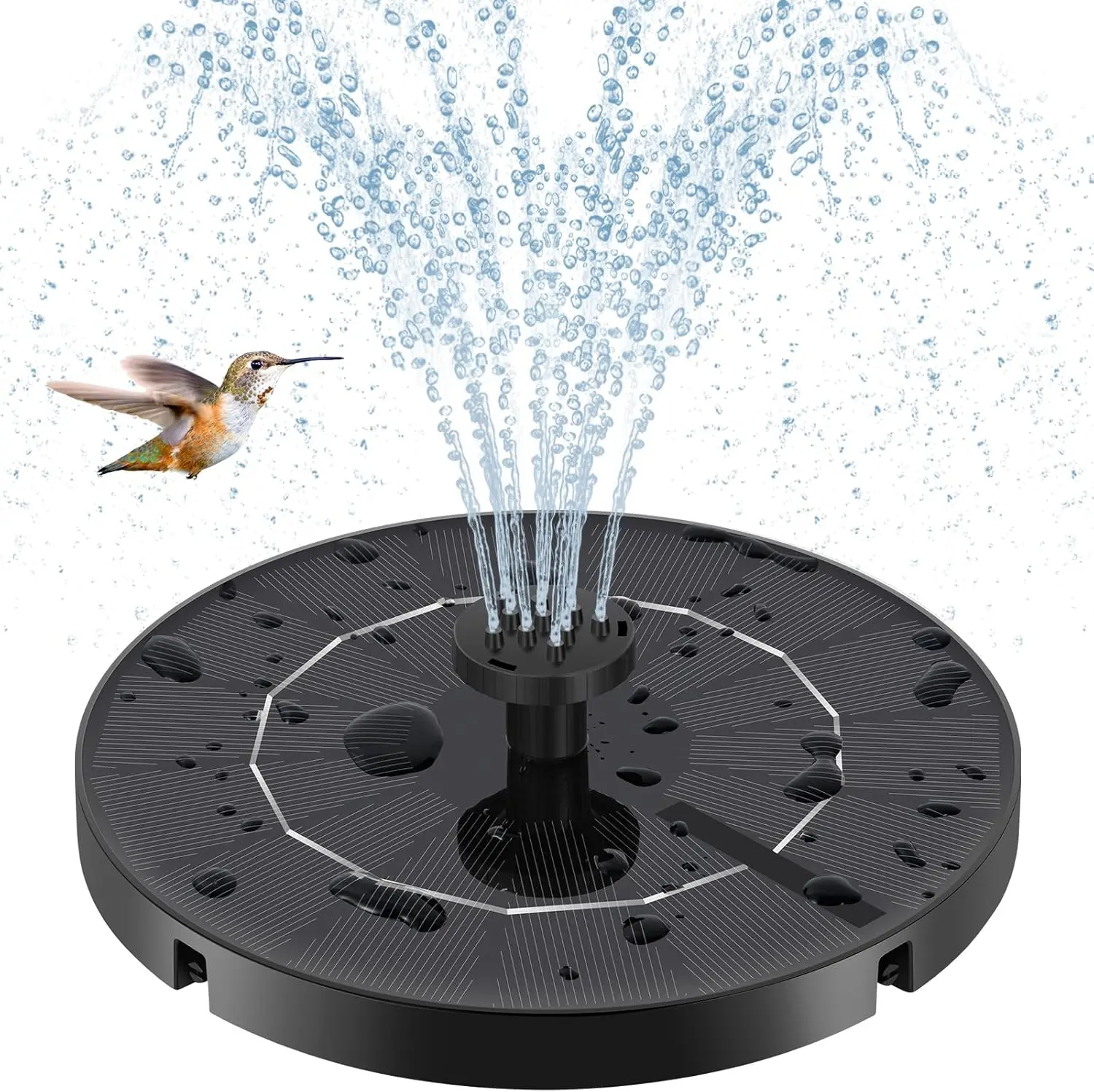
For a reliable and versatile option, consider the Solar Fountain Water Pump IP65 Waterproof Outdoor Bird Bath Fountain with 6 Nozzles from Goldoma. It offers excellent durability, multiple spray patterns, and all-season usability, making it a practical choice for any garden. Remember to always check the specifications and read reviews to ensure the pump meets your expectations.
We hope this guide has illuminated the path to your perfect water feature. Happy gardening!
Solar Fountain Water Pump IP65 Waterproof Outdoor Bird Bath Fountain with 6 Nozzles for Courtyard Garden Pool All Seasons Use
For a durable and versatile option, the Solar Fountain Water Pump IP65 Waterproof Outdoor Bird Bath Fountain with 6 Nozzles is an excellent choice, offering multiple spray patterns and all-season reliability.
Frequently asked questions
How does a solar fountain pump work?
A solar fountain pump uses a solar panel to convert sunlight into electricity, which powers a motor that moves water. Most have a battery to store energy for use when sunlight is insufficient.
Can a solar fountain pump work in the shade?
Solar fountain pumps require direct sunlight to operate efficiently. In partial shade, they may run slower or stop. Some models with larger panels or batteries can handle some shade, but full sun is best.
How do I clean my solar fountain pump?
Regularly remove debris from the pump’s intake and nozzle. Use a soft brush to gently clean the impeller and housing. Most pumps are disassemblable for easy cleaning. Avoid using harsh chemicals.
Will a solar fountain pump run at night?
If the pump has a battery, it can store energy during the day and run for a few hours at night. The duration depends on the battery capacity and the pump’s power consumption. Some models also have a USB charging option.
