
Blog
Self Watering Pots: A Complete Buying Guide
Plant Care
The Ultimate Guide to Self Watering Pots
Self watering pots are a game-changer for busy plant lovers, but how do you pick the right one? Let’s dive into everything you need to know.
What Are Self Watering Pots?
Self watering pots are containers with a built-in reservoir that supplies water to the plant’s roots as needed. They work on the principle of capillary action, where a wick or porous material draws water upward into the soil. This ensures consistent moisture without overwatering.
For a deeper understanding of capillary action, you can check out this Wikipedia article.
Why Choose Self Watering Pots?
These pots offer several advantages over traditional ones. They reduce watering frequency, prevent root rot by avoiding waterlogged soil, and are perfect for people who travel or forget to water. They also promote healthier plant growth by maintaining optimal moisture levels.
- Less frequent watering
- Prevents overwatering
- Ideal for busy schedules
- Encourages deep root growth
Types of Self Watering Pots
There are various designs, from wick-based systems to those with a separate reservoir and aeration chamber. Some have a water level indicator, making it easy to know when to refill. Choose one that fits your plant’s needs and your aesthetic.
Wick Systems
These use a wick to draw water up. They are simple and effective for small to medium pots.
Reservoir Systems
These have a bottom reservoir with a porous barrier. Water is absorbed through the soil. Great for larger plants.
Key Features to Look For
When buying self watering pots, consider the material, size, and additional features like a water level indicator or a drainage hole. Terracotta, plastic, and ceramic are common materials, each with pros and cons.
- Water level indicator
- Material durability
- Size and capacity
- Ease of cleaning
How to Use Self Watering Pots Effectively
To get the most out of your self watering pots, fill the reservoir but avoid overfilling. Use well-draining soil and monitor your plant’s response. Adjust watering based on the season and plant type.
Remember, even with self watering pots, you should occasionally flush the soil to prevent salt buildup.
Common Mistakes to Avoid
One mistake is using soil that is too dense, which can prevent water from wicking up. Another is ignoring the water level indicator. Also, don’t leave the reservoir filled during winter dormancy.
Maintenance Tips
Clean your self watering pots regularly to prevent algae and mineral buildup. Replace the wick if it becomes clogged. In colder months, reduce watering frequency.
Regular maintenance ensures longevity and healthy plants.
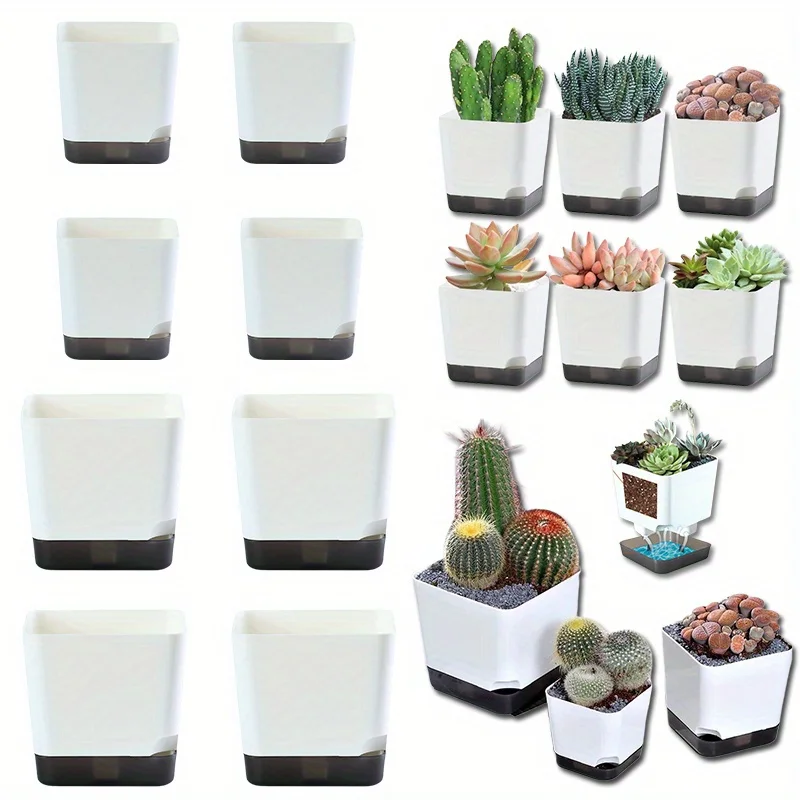
5Pcs Self Watering Plant Pot, Flower Planters, Modern Flower Pots with Water Reservoir, Mini Plant Pots Herb Garden Planter
For a convenient and stylish option, consider the 5Pcs Self Watering Plant Pot set, which comes with modern designs and a water reservoir, ideal for small herb gardens.
Frequently asked questions
How often should I water plants in self watering pots?
It depends on the plant and environment, but generally you can go 1-2 weeks between refills. Check the water level indicator regularly.
Can I use self watering pots for all types of plants?
Most plants thrive, but succulents and cacti prefer drier conditions, so use with caution. They are best for moisture-loving plants.
Do self watering pots cause root rot?
No, when used correctly, they prevent overwatering. Ensure proper drainage and avoid keeping the reservoir constantly full if soil is soggy.
How do I clean self watering pots?
Disassemble and wash with mild soap and water. Scrub the reservoir to remove mineral deposits. Rinse thoroughly before reassembling.
