
Blog
Choosing Outdoor Planters: A Practical Guide
Garden & Patio
The Essential Guide to Outdoor Planters
Outdoor planters are more than just containers; they are the foundation of a thriving garden. Whether you have a sprawling backyard or a cozy balcony, the right planter can transform your space.
Why Outdoor Planters Matter
Outdoor planters are not just decorative accents; they play a crucial role in the health and growth of your plants. Unlike in-ground gardening, planters give you control over soil quality, drainage, and placement. They allow you to create a garden anywhere, from a concrete patio to a high-rise balcony. Choosing the right planter ensures your plants have the best chance to flourish.
Think of planters as the home for your plants. A good home provides shelter, nutrition, and stability. A poorly chosen planter can lead to waterlogged roots, overheating, or even toppling over in strong winds. That’s why it’s worth investing time in understanding what makes a great outdoor planter.
Material Matters: Pros and Cons
The material of your outdoor planter affects its durability, weight, insulation, and aesthetic. Here are the most common options:
- Terracotta: Classic and porous, allowing air and moisture to pass through. However, it can crack in freezing temperatures and dries out quickly.
- Plastic: Lightweight, affordable, and available in many styles. Modern plastics can mimic stone or ceramic, and they are resistant to weather and UV rays.
- Wood: Natural and beautiful, but requires treatment to resist rot and insects. May need yearly sealing.
- Metal: Sleek and durable, but can heat up quickly in the sun, potentially harming roots. Choose with a liner or insulated interior.
- Fiberglass: Lightweight yet strong, often used for large planters. Resists cracking and fading.
Each material has its trade-offs. For example, terracotta is beautiful but heavy and fragile. Plastic is easy to move but may not have the same upscale feel as stone. Consider your climate and the specific needs of your plants.
Drainage: The Key to Healthy Roots
Proper drainage is non-negotiable for outdoor planters. Without it, water accumulates at the bottom, leading to root rot and fungal diseases. Most planters come with drainage holes, but some decorative ones might not. If your planter lacks holes, you can either drill them or use a two-pot method: place a smaller, holed pot inside the decorative one.
Another tip is to add a layer of gravel or broken pottery at the bottom before adding soil. This helps excess water flow out and prevents soil from clogging the holes. Elevating the planter slightly off the ground with feet or bricks can also improve drainage and airflow.
Sizing and Placement
Size matters when it comes to outdoor planters. A planter that is too small can restrict root growth, while one that is too large can hold excess water and delay soil drying. A good rule of thumb is to choose a planter that is at least 2 inches larger in diameter than the plant’s root ball. For deep-rooted plants, choose a deeper planter.
Placement is equally important. Consider the sunlight requirements of your plants, the wind exposure, and the overall aesthetics. Grouping planters of different heights and sizes can create visual interest. Also, think about accessibility for watering and maintenance.
Style and Design: Matching Your Space
Outdoor planters come in a myriad of styles, from modern and minimal to classic and ornate. The design should complement your home’s architecture and your outdoor décor. If you have a contemporary space, sleek geometric planters in neutral tones work well. For a traditional garden, terracotta or urn-shaped planters add timeless charm.
Don’t be afraid to mix and match materials and colors. A bold planter can serve as a focal point, while neutral ones can blend into the background. Remember that the planter is a stage for your plants, so choose something that makes them shine.
Caring for Your Outdoor Planters
To keep your outdoor planters looking great and lasting longer, regular care is essential. Clean them periodically to prevent algae and mineral buildup. For plastic and fiberglass, a simple soap and water wash works. For terracotta, avoid harsh chemicals that can penetrate the porous surface.
In colder climates, protect your planters from freezing. Move fragile ones indoors or cover them with burlap. For large stationary planters, consider using a frost-resistant liner or insulating the interior with bubble wrap.
Eco-Friendly Options
If sustainability is important to you, look for outdoor planters made from recycled materials. Many plastic planters now use recycled polypropylene, which is durable and eco-conscious. Also, consider upcycling old containers like barrels, buckets, or even tires. With a bit of creativity, you can create unique planters that reduce waste.
For more ideas on sustainable gardening, check out this Wikipedia article on sustainable gardening.
Our Recommendation
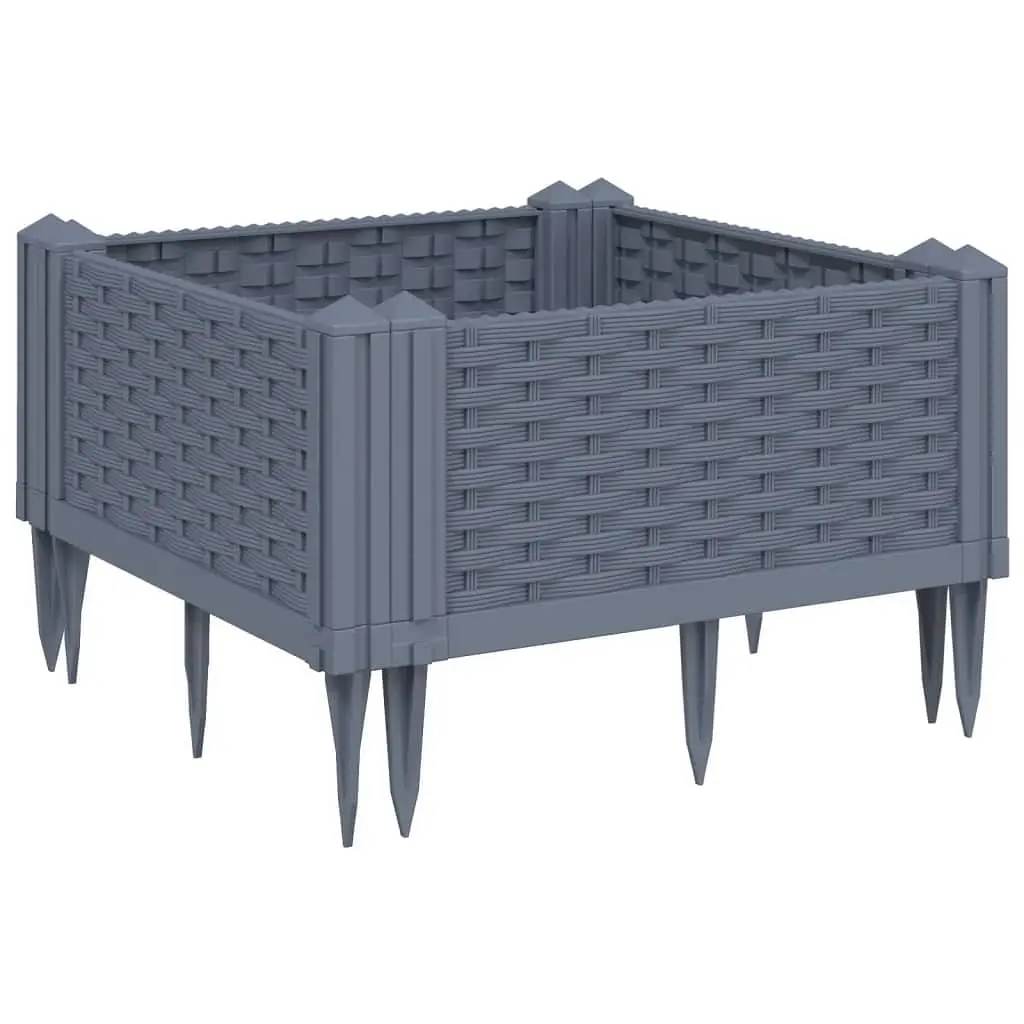
After considering all these factors, we believe the W2B VidaXL Blue Grey Polypropylene Medium Modular Garden Planter Outdoor Urn Planters Flowers Terracotta Pot Plastic Flower Pot is a versatile choice. It combines the classic urn silhouette with the durability and lightweight nature of polypropylene, making it easy to move and resistant to the elements. Its modular design allows for creative arrangements, and the blue-grey color adds a subtle sophistication to any outdoor setting.
Remember, the best outdoor planter is one that meets your specific needs and brings you joy every time you see it. Happy planting!
W2B VidaXL Blue Grey Polypropylene Medium Modular Garden Planter Outdoor Urn Planters Flowers Terracotta Pot Plastic Flower Pot
For a reliable and stylish option, consider the W2B VidaXL Blue Grey Polypropylene Medium Modular Garden Planter Outdoor Urn Planters Flowers Terracotta Pot Plastic Flower Pot, which offers durability and a classic look without the weight.
Frequently asked questions
What is the best material for outdoor planters?
The best material depends on your climate, plant type, and aesthetic preference. Plastic is lightweight and weather-resistant, while terracotta offers classic looks but can crack in freezing temperatures. Fiberglass is durable and lightweight, and wood provides natural insulation but requires maintenance.
How do I ensure proper drainage in outdoor planters?
Ensure your planter has drainage holes. If not, drill them or use a liner pot with holes. Add a layer of gravel or broken pottery at the bottom, and elevate the planter slightly to allow water to flow out easily.
Can I leave outdoor planters outside in winter?
It depends on the material. Terracotta and ceramic can crack if they absorb water and freeze. Plastic, fiberglass, and metal are more cold-resistant, but it’s best to protect any planter by moving it to a sheltered area or covering it to prevent waterlogging.
How do I choose the right size planter for my plant?
Choose a planter that is at least 2 inches larger in diameter than the plant’s root ball. For larger plants, consider a deeper planter to accommodate root growth. Avoid too large planters as they can hold excess water and delay soil drying.
