
Blog
Garden Planter Kit: 15 Pro Tips for Lush Container Gardens
Buying Guide
Your Ultimate Garden Planter Kit Guide
A garden planter kit is the perfect starting point for anyone wanting to grow plants on a patio, balcony, or windowsill. Let’s explore what makes a great kit and how to pick one that suits your green thumb.
Why a Garden Planter Kit is a Smart Investment
Container gardening has exploded in popularity, and for good reason. A garden planter kit simplifies the process, giving you everything you need to get started without the guesswork. Whether you’re growing herbs for your kitchen or brightening your balcony with flowers, these kits offer a convenient and rewarding experience.
Beyond convenience, they are also a great way to save money. Buying tools and planters separately can add up, but a well-curated kit bundles essential items at a better value. Plus, they make fantastic gifts for friends who are new to gardening.
Materials Matter: Choosing the Right Planter
Planters come in a variety of materials, each with its own benefits and drawbacks. Here’s a quick rundown to help you decide:
- Terracotta: Classic and porous, allowing air and moisture to reach roots. However, they dry out quickly and can crack in freezing temperatures.
- Plastic: Lightweight, durable, and affordable. They retain moisture well, but may not be as breathable as other materials.
- Wood: Natural and insulating, wood planters are attractive and great for larger plants. Look for rot-resistant varieties like cedar or redwood.
- Ceramic: Glazed ceramic is waterproof and comes in many colors and designs. They are heavier and can be more expensive.
When choosing a planter, consider the type of plant you’re growing. Succulents need excellent drainage, while ferns prefer more moisture. Your climate also plays a role—in hot, dry areas, porous materials like terracotta may require more frequent watering.
Essential Tools Every Garden Planter Kit Should Include
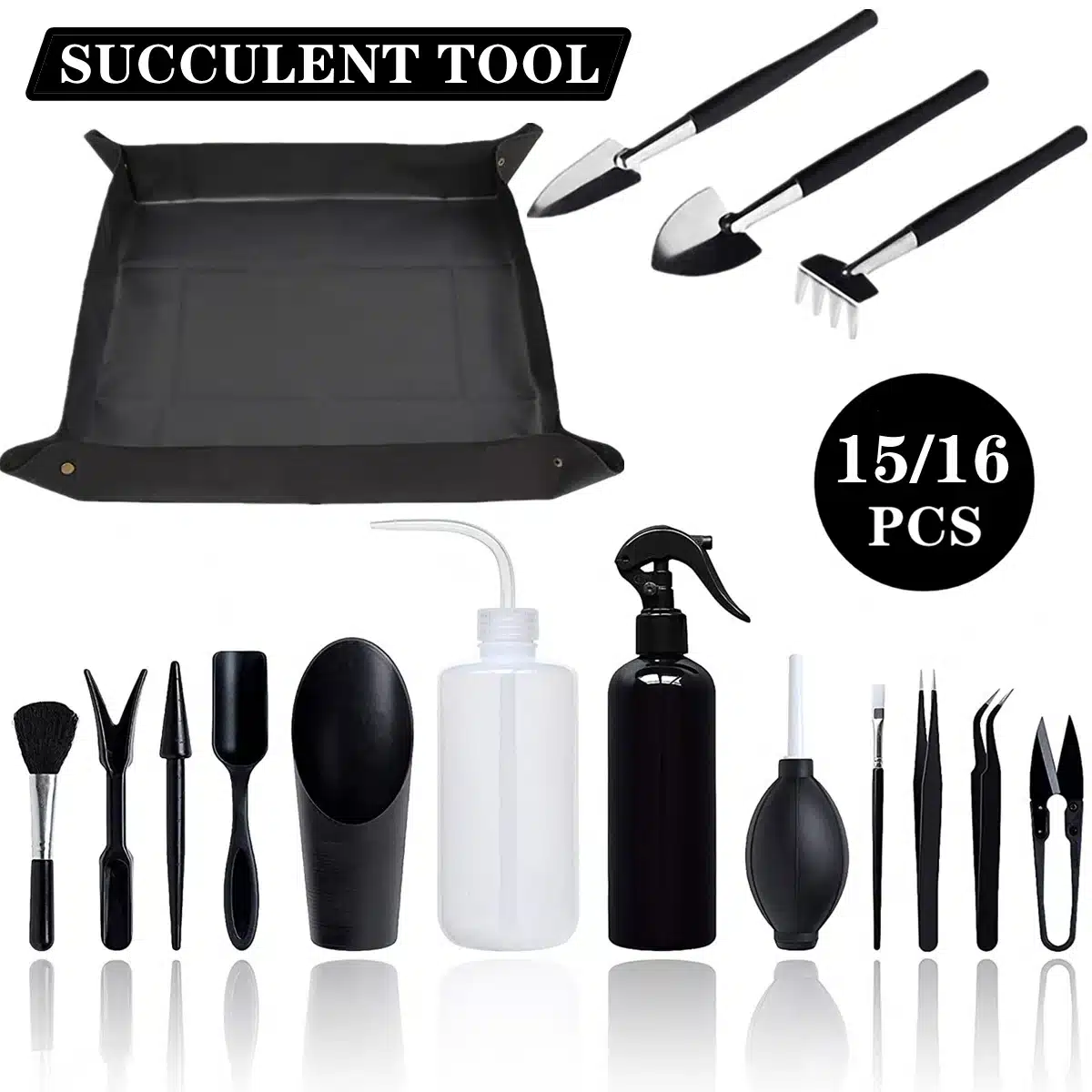
A comprehensive garden planter kit should have the basic tools to make planting and maintenance easy. While kits vary, here are the tools you’ll want to look for:
- Trowel: For digging small holes and transplanting seedlings.
- Transplanter: A narrower tool ideal for planting and moving small plants without damaging roots.
- Pruning Shears: For trimming dead leaves and shaping plants.
- Hand Cultivator: Useful for loosening soil and removing weeds.
- Gloves: Protect your hands from dirt and thorns.
- Watering Can or Sprayer: For gentle and precise watering.
Some kits also include a gardening mat to keep your workspace clean, which is a thoughtful addition. If you’re a beginner, a kit with these essentials will set you up for success.
Drainage: The Key to Healthy Roots
Good drainage is non-negotiable in container gardening. Without it, roots can become waterlogged and rot. Here’s how to ensure your planter provides adequate drainage:
- Drainage holes: The planter must have holes at the bottom to allow excess water to escape.
- Potting mix: Use a well-draining mix specifically formulated for containers, not garden soil.
- Layer of gravel: Some gardeners add a layer of gravel or broken pottery at the bottom to improve drainage, though this is debatable—some experts say it can actually hinder drainage by creating a perched water table.
If you fall in love with a planter without holes, you can often drill them yourself. Alternatively, use it as a decorative outer pot and plant in a smaller, perforated inner pot.
Size and Depth: Matching Your Plants
The size of your planter directly affects plant health. Too small, and roots become cramped; too large, and soil can stay soggy. Here are some general guidelines:
- Herbs and small annuals: 6-8 inches deep is sufficient.
- Vegetables like tomatoes or peppers: Need at least 12-18 inches of depth.
- Shrubs or small trees: Require 18+ inches and a planter with a diameter of at least 16 inches.
Always check the mature size of your plant and choose a planter that gives roots room to grow. A good rule of thumb is to pick a planter that is 2-3 inches larger in diameter than the current root ball.
Mobility and Placement
Think about where you’ll place your planters. If you need to move them to follow sunlight or protect them from harsh weather, consider:
- Wheeled stands: Make it easy to move heavy planters.
- Lightweight materials: Plastic and fiberglass are easier to lift.
- Hanging planters: Save floor space and add vertical interest.
- Raised beds: Great for balconies and patios, reducing strain on your back.
For more on container gardening, check out this Wikipedia article on container gardening.
Eco-Friendly Options
If sustainability is important to you, there are eco-friendly planter options available. Look for:
- Biodegradable pots: Made from peat, coir, or rice husks, these can be planted directly into the ground.
- Recycled materials: Planters made from recycled plastic or rubber are durable and reduce waste.
- FSC-certified wood: Ensures the wood comes from responsibly managed forests.
Choosing sustainable options not only helps the environment but also adds a story to your garden.
Putting It All Together: A Starter Kit That Works
If you’re looking for a convenient all-in-one solution, consider the Garden Planter Kit 7-16PCS Succulent Plants Tools Set with Gardening Mat, Flowers Bonsai Transplanting Seedling Garden Hand Tool. It includes a variety of tools and accessories to get you started, making it a practical choice for beginners and seasoned gardeners alike.
Remember, the best garden planter kit is one that fits your specific needs. Think about the plants you want to grow, the space you have, and your level of experience. With the right kit and a little care, you’ll be rewarded with a beautiful, thriving container garden.
Garden Planter Kit 7-16PCS Succulent Plants Tools Set with Gardening Mat, Flowers Bonsai Transplanting Seedling Garden Hand Tool
Consider the Garden Planter Kit 7-16PCS Succulent Plants Tools Set with Gardening Mat, Flowers Bonsai Transplanting Seedling Garden Hand Tool, which offers a comprehensive set of tools ideal for any container garden project.
Frequently asked questions
What should I look for in a garden planter kit?
Look for a kit that includes essential tools like a trowel, transplanter, pruning shears, and gloves. Also consider the quality of the planter material and whether it has good drainage options.
Can I use a garden planter kit indoors?
Yes, many kits are suitable for indoor use. Ensure you choose a planter with a tray to catch excess water, and place it near a sunny window or under grow lights.
How often should I water plants in a planter kit?
Watering frequency depends on the plant type, planter material, and environment. Generally, check the top inch of soil—if it feels dry, it’s time to water. Avoid overwatering, which can cause root rot.
Are garden planter kits suitable for beginners?
Absolutely! Most kits are designed with beginners in mind, providing all the necessary tools and simple instructions. Start with easy-to-grow plants like herbs or succulents to build confidence.
