
Blog
Patio Umbrella with Base: Your Complete Buying Guide
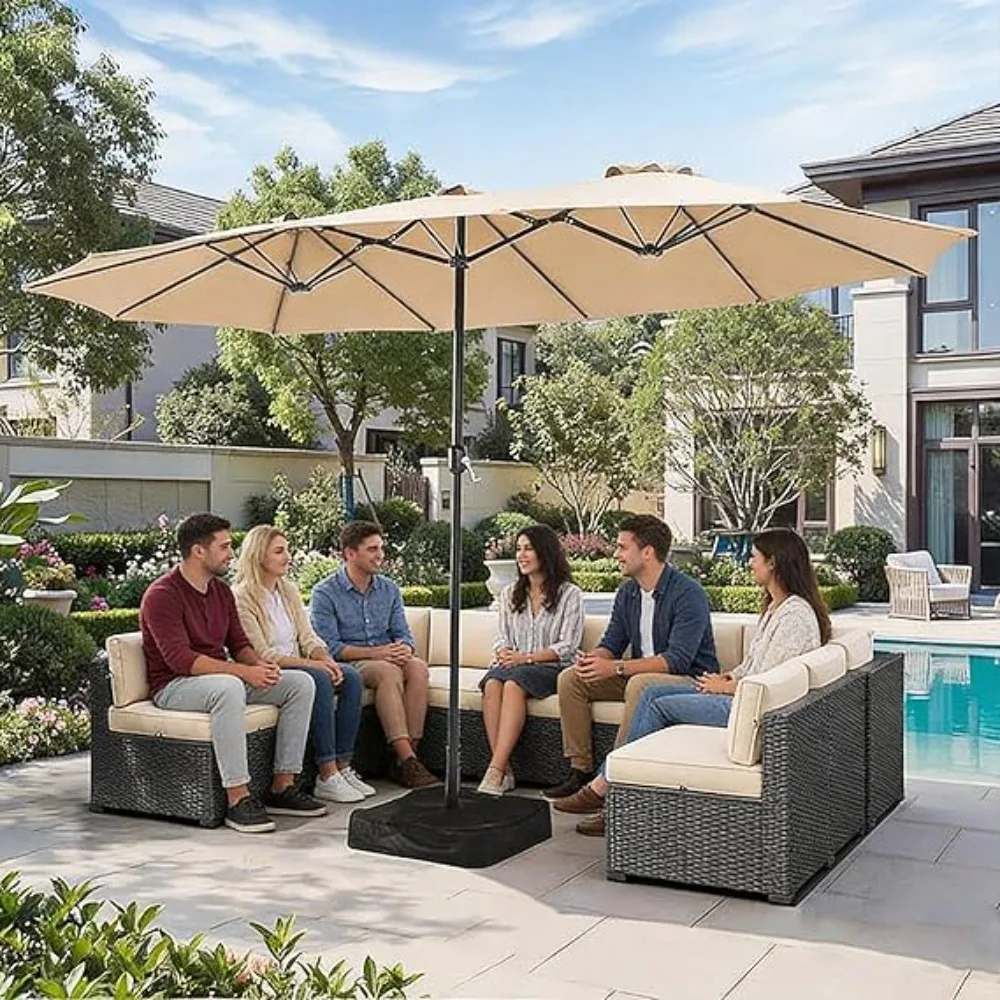
Buying Guide
Your Guide to Choosing a Patio Umbrella with Base
A patio umbrella with base is a game-changer for outdoor comfort, but with so many options, how do you pick the right one? This guide will walk you through everything you need to know.
Why a Patio Umbrella with Base is a Must-Have
There’s nothing quite like relaxing under the shade of a well-placed umbrella on a sunny afternoon. A patio umbrella with base not only protects you from harmful UV rays but also adds a touch of style to your outdoor decor. Whether you’re hosting a barbecue or enjoying a quiet morning coffee, the right umbrella can transform your patio into a true oasis.
But here’s the thing: not all umbrellas are created equal. The market is flooded with options, each promising the best shade and durability. To make a smart purchase, you need to understand the key factors that distinguish a great umbrella from a mediocre one. Let’s dive into what really matters.
Choosing the Right Size: Bigger Isn’t Always Better
When it comes to patio umbrellas, size matters—but it’s not just about getting the biggest one you can find. The size of your umbrella should complement the area you want to shade. A common mistake is buying an umbrella that’s too small for your table or too large for your patio, leaving you with awkward gaps or overcrowding.
Here’s a quick guide to help you visualize:
- 6-8 feet: Perfect for bistro sets or small seating areas.
- 9-10 feet: Ideal for standard rectangular or round tables.
- 11-13 feet: Great for larger tables or lounging areas.
- 15+ feet: Best for oversized spaces or commercial use.
Remember, the umbrella should extend at least 2 feet beyond the edges of your table to provide adequate shade for everyone seated.
Fabric and Frame: What to Look For
The materials of your patio umbrella with base determine its longevity and performance. Let’s break down the essentials.
Fabric
Most umbrellas use either polyester, acrylic, or solution-dyed fabrics. Polyester is budget-friendly but may fade faster. Acrylic is more durable and resistant to fading, making it a popular choice. Solution-dyed acrylic is the gold standard—it’s colorfast, water-repellent, and built to last. Look for fabrics with a high UV rating to ensure maximum protection.
Frame
Aluminum frames are lightweight, rust-resistant, and perfect for coastal areas. Wood frames (like teak or eucalyptus) add a classic, natural look but require more maintenance. Steel frames are sturdy but heavy, so they’re best for permanent setups. Check the pole construction—a single-piece pole is stronger than a segmented one.
The Base: The Unsung Hero
Your umbrella is only as good as its base. A sturdy base prevents tipping and keeps your umbrella secure during windy days. When choosing a base, consider the weight and how it attaches to your umbrella.
Common base materials include:
- Resin: Affordable and easy to move, but may need extra weight.
- Concrete: Heavy-duty and stable, but difficult to move.
- Metal: Durable and often comes with wheels for mobility.
- Stone: Aesthetically pleasing but expensive.
As a rule of thumb, the base should weigh at least 50 pounds for a 9-foot umbrella, and more for larger sizes. If you’re on a windy patio, consider a base with a built-in weight or the ability to add sand or water.
Umbrella Shapes and Styles
Umbrellas come in various shapes—round, square, rectangular, and even cantilever. The shape affects both aesthetics and functionality. For example, a rectangular umbrella is ideal for long dining tables, while a round one works well for circular tables. Cantilever umbrellas offer flexibility because they can be positioned over furniture without a center pole, giving you more seating options.
Think about your patio layout and how you plan to use the umbrella. Do you want to cover a dining area or a lounging spot? The shape should complement your space and serve its purpose.
Ease of Use: Crank, Tilt, and More
No one wants to struggle with opening and closing an umbrella. Look for features that simplify operation. A crank handle is a must-have—it allows you to open and close the umbrella with minimal effort. Tilt mechanisms are also valuable, as they let you adjust the angle to follow the sun’s path, keeping you shaded all day.
Some umbrellas come with push-button tilts or auto-tilt systems. While these add convenience, they can also add to the cost. Consider your preferences and how often you’ll use the umbrella.
Maintenance and Care Tips
To extend the life of your patio umbrella with base, proper maintenance is essential. Here are some tips:
- Clean regularly: Use mild soap and water to remove dirt and stains. Avoid harsh chemicals that can damage the fabric.
- Dry before storing: Never store a wet umbrella—it can lead to mold and mildew.
- Protect from extreme weather: In harsh winters or high winds, take the umbrella down and store it indoors.
- Inspect the frame: Check for rust or loose screws periodically, and lubricate moving parts if needed.
With proper care, a good umbrella can last for many seasons.
Eco-Friendly and Sustainable Options
If you’re environmentally conscious, consider eco-friendly umbrellas made from recycled materials or sustainably sourced wood. Some brands offer UV-resistant fabrics that are also recyclable. While these options may come at a premium, they reduce your carbon footprint and often boast higher quality.
Additionally, look for umbrellas with solar-powered LED lights in the ribs—they add ambiance while being energy-efficient.
Making the Final Decision
Now that you’re armed with knowledge, it’s time to choose. Remember to measure your space, consider your climate, and evaluate your needs. A high-quality patio umbrella with base is an investment in your outdoor living experience.
For those with large patios or commercial settings, a 15ft patio umbrella with base included offers ample shade and convenience. Our patio umbrella guide at Goldoma provides more insights into choosing the right one.
We hope this guide helps you find the perfect umbrella to enjoy countless sunny days ahead.
15ft Patio Umbrella with Base Included, Outdoor Double-Sided Rectangular Umbrella with Crank Handle, Large Standing,Customized
For expansive outdoor areas, our 15ft Patio Umbrella with Base Included offers generous shade and easy crank operation, designed for durability and style.
Frequently asked questions
What is the ideal base weight for a patio umbrella?
The ideal base weight depends on the umbrella size. For a 6-8 foot umbrella, 40-50 pounds is sufficient. For 9-10 foot, aim for 50-75 pounds. Larger umbrellas (11 feet and above) need at least 75-100 pounds. Always check the manufacturer’s recommendations.
Can I use a patio umbrella with base on a deck or balcony?
Yes, but you need to ensure the base is suitable for the surface. If you’re on a deck, avoid concrete bases that can scratch. Use a base with rubber padding or a rolling base. Also, check weight limits for balconies.
How do I clean and maintain my patio umbrella?
Clean the canopy with mild soap and water, and rinse thoroughly. Let it dry completely before closing. For the frame, wipe with a damp cloth and apply a rust-resistant coating if needed. Store indoors during off-season.
What is the difference between a cantilever and a center-pole umbrella?
A center-pole umbrella has a pole in the middle that goes through the table. A cantilever umbrella has a side pole and a cantilever arm, allowing shade without a center pole, making it flexible for positioning over seating areas.
