
Blog
Choosing the Right Patio Umbrella Stand
Buying Guide
Patio Umbrella Stand: The Ultimate Buying Guide
A patio umbrella stand is the unsung hero of outdoor comfort, yet many people overlook its importance until a gust of wind sends their umbrella flying. This guide will help you choose the right one for your needs.
Why Your Patio Umbrella Stand Matters
An umbrella without a sturdy stand is like a boat without an anchor—it’s only a matter of time before trouble finds it. The right patio umbrella stand not only keeps your umbrella securely in place but also protects your furniture and guests from sudden topples. Beyond safety, a well-chosen stand can complement your outdoor decor and make your space more inviting.
Think about the times you’ve enjoyed a breezy afternoon on your patio. That gentle breeze can quickly turn into a gust that tests your setup. A reliable stand ensures your umbrella stays put, letting you relax without worry.
Key Factors to Consider When Buying a Patio Umbrella Stand
Selecting the perfect stand involves more than picking the first one you see. Here are the critical factors to evaluate:
- Umbrella size and weight: Larger umbrellas require heavier stands. A rule of thumb is that the stand should weigh at least 10-15% of the umbrella’s total weight (including the canopy and pole).
- Pole diameter: Measure your umbrella pole’s diameter to ensure a snug fit. Most stands accommodate poles from 1.5 to 2 inches, but some are adjustable.
- Base type: Freestanding, offset (cantilever), and table-mounted bases each serve different purposes. Freestanding bases are versatile, while cantilever bases are designed for offset umbrellas.
- Material: Common materials include concrete, cast iron, steel, and resin. Concrete is durable but heavy; resin is lightweight and rust-resistant; cast iron offers classic aesthetics but may require maintenance.
- Mobility: If you plan to move your umbrella, look for stands with wheels or lighter materials that are easier to transport.
Understanding Weight and Stability
Weight is the most crucial factor. A stand that’s too light will not hold your umbrella securely, especially in windy conditions. As a general guideline, for a 10-foot umbrella, you’ll need a stand weighing at least 50-70 pounds. For cantilever umbrellas, the stand must be even heavier because the offset design puts more stress on the base.
If you’re concerned about portability, you can opt for a stand that allows you to add sand or water for extra weight. This way, you can fill it up when needed and empty it for easy storage.
Types of Patio Umbrella Stands
Understanding the different types will help you narrow down your options:
- Freestanding bases: These are the most common, designed to sit on the floor with the pole inserted vertically. They come in various shapes—round, square, or cross-shaped—and are available in different materials.
- Cantilever (offset) bases: These are heavier and bulkier, designed to support umbrellas that are offset to the side. They often have a large, flat base that can be weighted with sand or water.
- Table-mounted bases: These fit through a hole in your patio table, providing a stable, integrated look. They are typically lighter because the table adds stability.
- Wall-mounted or deck-mounted: These are permanent fixtures, ideal for small spaces or windy areas.
Each type has its pros and cons. For instance, freestanding bases offer flexibility, but cantilever bases are essential for offset umbrellas. Consider your existing furniture and how you plan to use the umbrella.
Materials: Pros and Cons
The material of your stand affects its durability, weight, and appearance. Here’s a breakdown:
- Concrete: Extremely heavy and stable, but can crack if dropped. It’s often used in permanent installations.
- Cast iron: Classic and elegant, but prone to rust if not treated. It’s heavy and provides excellent stability.
- Steel: Durable and often powder-coated for weather resistance. It can be heavy but is generally more portable than concrete.
- Resin or plastic: Lightweight and easy to move, but may not provide enough weight for large umbrellas. Often hollow, allowing you to fill with sand or water.
- Aluminum: Lightweight and rust-resistant, but may need additional weight to be effective.
When choosing a material, think about your climate and how much maintenance you’re willing to do. For coastal areas, rust-resistant materials like resin or aluminum are preferable.
Sizing and Fit: Getting It Right
Measure your umbrella pole’s diameter and the height of the umbrella. Most stands have a standard fitting, but some are adjustable. If you have a non-standard pole, look for a stand with an adapter or a universal fit.
Also, consider the base’s footprint. A larger base provides more stability but takes up more space. If you have a small patio, you might prefer a stand that can be tucked under furniture when not in use.
Portability and Storage
If you need to move your umbrella frequently, consider a stand with wheels or a lighter material. Some stands come with a carrying handle. For seasonal storage, think about a stand that can be disassembled or drained of weight.
Remember, a heavier stand is often safer, but it can be a hassle to move. Balance your need for stability with your desire for convenience.
Enhancing Your Outdoor Space with the Right Stand
Your patio umbrella stand isn’t just functional—it can also add to the aesthetics of your outdoor area. Choose a finish that complements your furniture, whether that’s a sleek black, a rustic bronze, or a modern stainless steel.
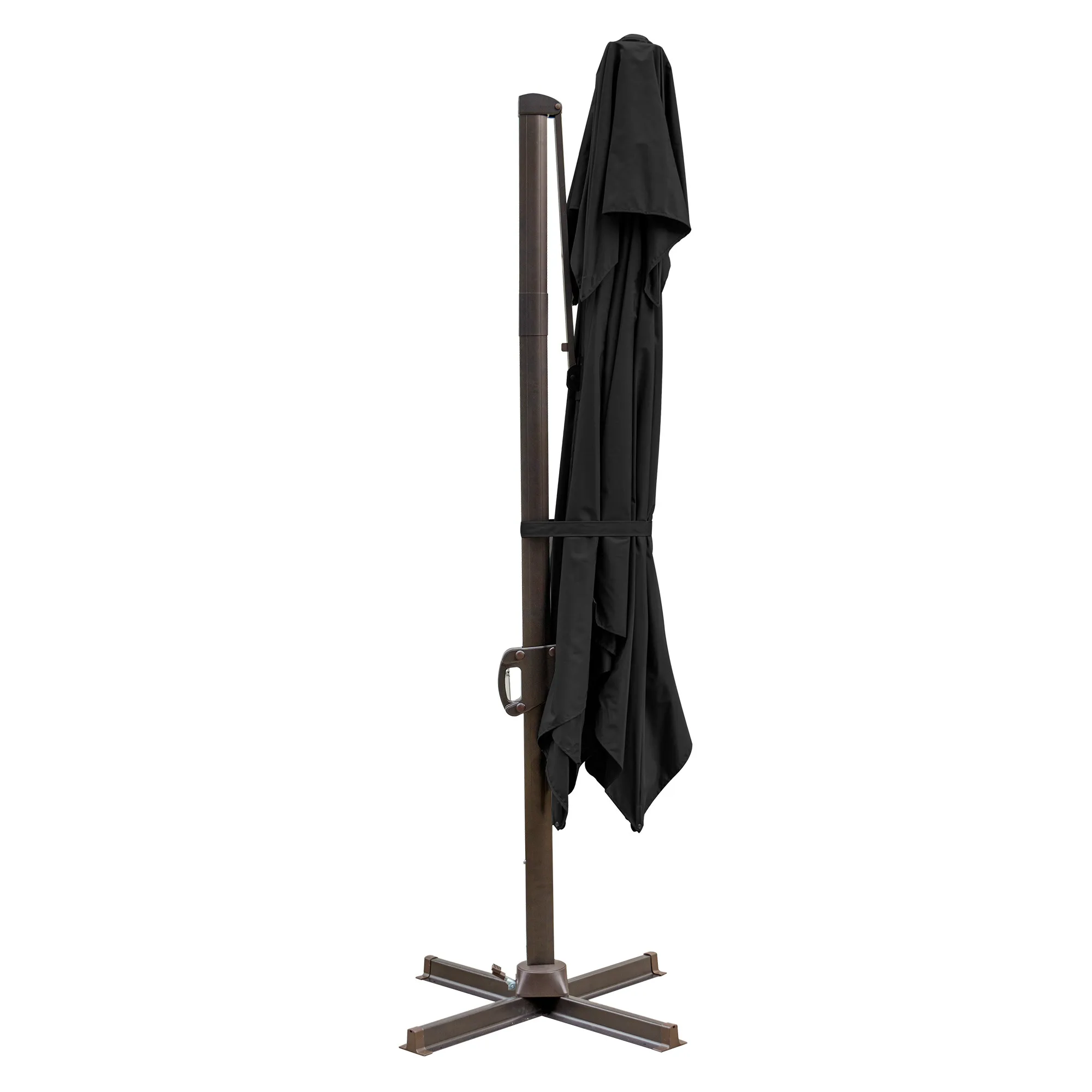
If you’re looking for a versatile and stylish option, consider the Modern 10′ Black Polyester Square Tilt Cantilever Patio Umbrella Stand 3M Radii Garden Umbrella for Garden Beach Sea Hotel. It offers a blend of durability and design that works well in various settings.
Ultimately, the right stand will make your umbrella a reliable feature of your outdoor living space, allowing you to enjoy the outdoors in comfort and style.
Modern 10′ Black Polyester Square Tilt Cantilever Patio Umbrella Stand 3M Radii Garden Umbrella for Garden Beach Sea Hotel
For a reliable and stylish option, consider the Modern 10′ Black Polyester Square Tilt Cantilever Patio Umbrella Stand 3M Radii Garden Umbrella for Garden Beach Sea Hotel, which offers excellent stability and a sleek design.
Frequently asked questions
What is the ideal weight for a patio umbrella stand?
The ideal weight depends on the size and type of your umbrella. As a general rule, the stand should weigh at least 10-15% of the umbrella’s total weight. For a 10-foot umbrella, aim for a stand of 50-70 pounds. If you live in a windy area, go heavier or use a stand that can be filled with sand or water.
Can I use a patio umbrella stand with any umbrella?
Most stands are designed to fit standard umbrella poles of 1.5 to 2 inches in diameter. However, it’s essential to check the pole diameter and the stand’s compatibility. Some stands come with adjustable rings or adapters. For cantilever umbrellas, you must use a cantilever-specific base.
How do I maintain my patio umbrella stand?
Maintenance depends on the material. For metal stands, check for rust and apply touch-up paint if needed. Clean resin or plastic stands with mild soap and water. If your stand has a fillable base, empty it before storing in winter to prevent cracking.
What are the benefits of a cantilever umbrella stand?
Cantilever stands are designed for offset umbrellas, allowing you to position the shade exactly where you need it without a central pole. They are typically heavier and more stable, making them ideal for windy conditions. They also offer more flexibility in positioning over tables or seating areas.
