
Blog
How to Choose the Perfect Parasol Base for Your Patio
Buying Guide
The Essential Parasol Base Buying Guide
A parasol base is the unsung hero of any outdoor space, keeping your shade sturdy and safe. In this guide, we’ll help you pick the perfect one for your needs.
Why Your Parasol Base Matters More Than You Think
When you invest in a quality patio umbrella, the base is what keeps it grounded. A flimsy base can turn a sunny afternoon into a frustrating game of chase. Beyond function, the right parasol base anchors your outdoor aesthetic, blending with your deck, patio, or garden. It’s about safety and peace of mind: a sturdy base prevents accidents, especially in unexpected gusts.
Yet many people overlook this crucial component until it’s too late. They buy a beautiful umbrella and then grab the cheapest base available, only to find it topples over at the slightest breeze. Understanding what makes a good parasol base will save you money and hassle in the long run.
Key Factors to Consider When Choosing a Parasol Base
Selecting the right base isn’t just about weight; it’s about matching your specific needs. Here are the main factors to evaluate:
- Weight and Stability: Heavier bases offer more stability, but they’re harder to move. Consider how often you’ll relocate the umbrella.
- Material: Common options include steel, concrete, resin, and stone. Each has pros and cons in terms of durability, appearance, and maintenance.
- Size and Shape: The base should fit your umbrella pole diameter and the space you have. Round bases are classic, while square ones save space in corners.
- Portability: Do you need to move it around? Some bases have wheels or handles for easier transport.
- Weather Resistance: If you live in a rainy or snowy climate, choose a base that won’t rust or crack under harsh conditions.
Material Matters: Pros and Cons of Common Parasol Base Materials
The material of your parasol base influences not only its look but also its longevity and stability. Let’s break down the most popular choices:
Steel Bases
Steel bases, often powder-coated for rust resistance, are sleek and modern. They’re typically filled with sand or water to add weight, making them versatile. However, they require occasional maintenance to prevent scratches and corrosion.
Concrete Bases
Concrete is heavy and durable, offering excellent stability. It’s often left plain or painted to match your decor. The downside is its bulk and lack of portability.
Resin and Plastic Bases
These are lightweight and easy to move, but they may need to be filled with sand or water to gain sufficient weight. They’re budget-friendly and resist rust, but can become brittle over time.
Stone and Marble Bases
For a touch of elegance, stone bases are beautiful and heavy. They’re perfect for permanent installations but can be very expensive and difficult to handle.
When choosing, think about your climate, how often you’ll use the umbrella, and your aesthetic preference. A well-chosen material will serve you for years.
How to Determine the Right Size and Weight for Your Umbrella
Size and weight go hand in hand. A general rule: the base should weigh at least 10% of the umbrella’s total weight, but for windy areas, aim for 20%. For a 9-foot umbrella, that means a base of 40-50 pounds. Also, consider the pole diameter: the base’s sleeve must fit snugly.
Measure your umbrella pole before purchasing. Most bases accommodate poles up to 1.5 inches, but check the specs. If you have a cantilever umbrella, you’ll need a heavier base, often 100 pounds or more, because the weight is distributed differently.
Top Tips for Setting Up and Maintaining Your Parasol Base
Once you’ve chosen your base, proper setup and care will extend its life. Here are some practical tips:
- Place the base on a flat, stable surface. If on grass, consider a base with spikes or a mat to prevent sinking.
- If your base has a fill hole, use sand or water as directed. Sand is heavier but permanent; water is easier to drain for storage.
- Regularly check for loose screws or cracks, especially after storms.
- In winter, store the base indoors or cover it to protect from freezing and thawing.
- Clean with mild soap and water; avoid harsh chemicals that could damage the finish.
Maintenance is simple but crucial. A little care goes a long way in keeping your base functional and attractive.
Creative Ways to Integrate Your Parasol Base into Your Outdoor Decor
Your parasol base doesn’t have to be an eyesore. With a bit of creativity, it can enhance your outdoor space. Here are some ideas:
- Choose a base that complements your furniture’s finish, like matte black for a modern look.
- Use a decorative cover or plant around the base to blend it with your garden.
- Incorporate the base into a seating area, using it as a small table when the umbrella is closed.
- For a unique touch, paint a plain concrete base with outdoor paint in a color that pops.
Remember, the base is part of your outdoor living area. Make it work for you, not just functionally but aesthetically too.
The Environmental Impact of Your Parasol Base Choice
Sustainability is increasingly important in outdoor furniture. Choosing a durable base that lasts reduces waste. Materials like steel and concrete have a lower environmental footprint over time compared to cheap plastic that cracks and ends up in landfills. Additionally, consider bases made from recycled materials or those that are recyclable at the end of their life.
By investing in a quality base, you’re not only getting better performance but also making a more eco-friendly choice. For more on sustainable materials, check out this article on sustainable furniture.
Comparing Popular Parasol Base Options on the Market
With so many options, it helps to compare. Here’s a quick rundown of what’s out there:
- Steel bases: Sleek, modern, often fillable. Look for powder-coated finishes for rust resistance.
- Concrete bases: Classic, heavy, and stable. They may be plain but can be customized.
- Resin bases: Lightweight and affordable, but may need filling. Great for occasional use.
- Stone bases: Luxurious and durable, but pricey and heavy.
Think about your priorities: budget, portability, aesthetics, or maximum stability. There’s a base for every need.
Frequently Overlooked Features in a Parasol Base
Beyond the basics, some features can make a big difference:
- Wheels: Some bases have built-in wheels for easy repositioning.
- Adjustable pole sleeve: Allows you to use different umbrella sizes.
- Built-in table: Some bases double as a small table, adding functionality.
- Lighting: A few bases come with LED lights, creating ambiance at night.
These extras can enhance your experience, but they also add cost. Weigh the benefits against your usage.
Final Thoughts: Making the Right Investment
Your parasol base is a small but significant part of your outdoor setup. By considering the factors we’ve discussed, you’ll find a base that provides safety, style, and longevity. Remember, it’s better to spend a little more on a quality base than to replace a damaged umbrella or deal with a frustrating experience.
We hope this guide has been helpful. Now, go enjoy your shaded oasis with confidence!
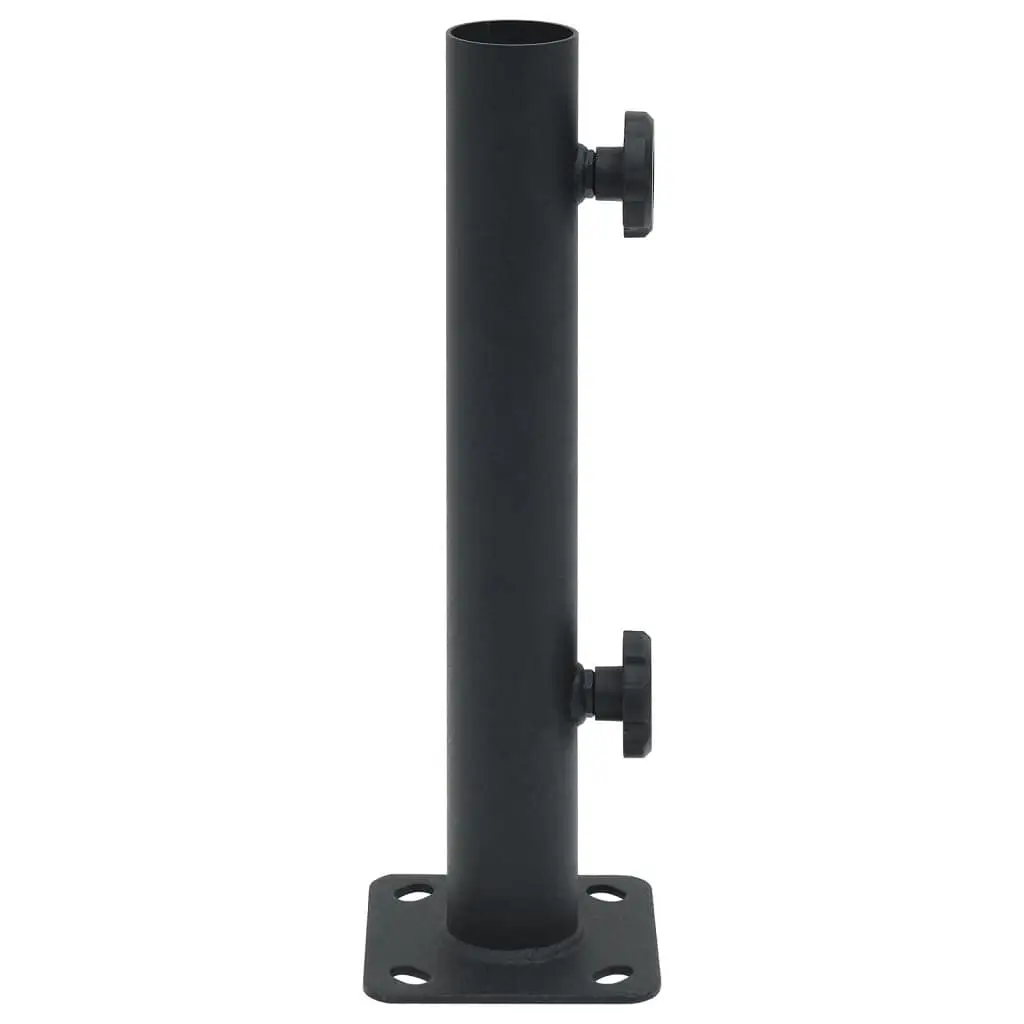
VidaXL W2B Matt Black Steel Parasol Base with Powder Coating Compact Garden Umbrella for Patio Park or Courtyard Use
For a sleek and sturdy option, consider the VidaXL W2B Matt Black Steel Parasol Base with Powder Coating, which offers a compact design ideal for patios and courtyards.
Frequently asked questions
How much weight does a parasol base need?
A general rule is that the base should weigh at least 10% of the umbrella’s weight, but for windy areas, aim for 20%. For a typical 9-foot umbrella, that means 40-50 pounds.
Can I use a parasol base on grass?
Yes, but you may need a base with spikes or a mat to prevent sinking. Some bases have a flat bottom that can work on grass if the ground is firm.
How do I maintain my parasol base?
Clean it regularly with mild soap and water, check for loose parts, and store it indoors or cover it during winter to protect from freezing and thawing.
What size parasol base do I need for a cantilever umbrella?
Cantilever umbrellas require heavier bases, often 100 pounds or more, because the weight is distributed differently. Always check the manufacturer’s recommendations.
