
Blog
The Complete Guide to Choosing a Parasol Base
Buying Guide
Find the Perfect Parasol Base for Your Patio
A parasol base is the unsung hero of any outdoor space, keeping your shade where you want it. But with so many options, how do you pick the right one?
Why the Right Parasol Base Matters
Imagine a breezy afternoon, your parasol suddenly taking flight—a parasol base prevents this chaos. It’s the foundation that keeps your shade secure, protecting both your furniture and your peace of mind. A well-chosen base also extends the life of your parasol by reducing stress on the pole and canopy. Whether you’re hosting a garden party or enjoying a quiet read, stability is non-negotiable.
But a parasol base isn’t just functional; it can complement your outdoor décor. From sleek metal to rustic stone, the right base adds a finishing touch. This guide will walk you through key considerations, ensuring you make an informed choice.
How Much Weight Do You Really Need?
The weight of your parasol base is the primary factor in stability. As a rule of thumb, the base should weigh at least 10% of the combined weight of the parasol and its pole, but this varies. For a typical 10-foot umbrella, a 50–70 lb base is common, while larger cantilever models may need 100+ lbs. Wind exposure matters too—coastal areas demand heavier bases.
Consider your climate: if you live in a windy region, err on the heavier side. But remember, weight isn’t the only factor; the base’s footprint and shape also affect stability. A wider base distributes weight better, reducing tipping risk.
Materials: From Metal to Resin
Parasol bases come in a variety of materials, each with pros and cons. Metal bases (steel, aluminum, cast iron) are durable and provide substantial weight. They often feature a powder-coated finish to resist rust. Resin or plastic bases are lightweight and easy to move, but they may need filling with sand or water to achieve adequate weight. Stone or concrete bases offer a classic look but are difficult to relocate.
For a balance of durability and style, metal with a modern design is popular. Stainless steel options resist corrosion and blend with contemporary patios. When choosing, think about how the material complements your existing furniture and how much maintenance you’re willing to do.
Filling Options: Sand vs. Water
Many hollow bases allow you to fill them with sand or water. Sand provides more weight per volume and is permanent, while water is convenient but can freeze in winter. If you choose a fillable base, consider the ease of filling and draining. Some bases come with plugs for easy access.
Size and Compatibility with Your Parasol
Not all bases fit all parasols. Check the pole diameter of your parasol and ensure the base’s opening matches—or use an adapter. Most bases accommodate poles from 1.5 to 2.5 inches, but cantilever parasols have different requirements. Also, consider the base’s footprint: a larger base provides more stability but takes up more floor space.
Measure your parasol’s pole and the area where you’ll place it. A base that’s too small may not secure the pole, while one that’s too large could be a tripping hazard. Some bases have adjustable inserts to fit various pole sizes.
Design Styles That Enhance Your Outdoor Space
A parasol base isn’t just functional—it’s part of your outdoor aesthetic. Modern designs feature clean lines and matte finishes, while traditional options include ornate shapes or stone textures. Black is a versatile choice that matches most color schemes, while bronze or silver adds a touch of elegance.
Consider the shape: square bases are classic, round ones are space-efficient, and cross-shaped bases (for cantilever) offer unique support. Your base should harmonize with your patio furniture, whether you prefer minimalist or eclectic. After all, you’ll see it every time you relax outdoors.
Portability and Storage Considerations
If you like to rearrange your outdoor space or store your base during winter, portability matters. Lighter bases (like resin) are easy to move but may need extra weight. Heavier bases (like concrete) are permanent but offer ultimate stability. Some bases have wheels or handles for easier movement.
Storage is another factor: if you leave your base outside year-round, choose weather-resistant materials like stainless steel or UV-stabilized resin. For indoor storage, a lighter base is easier to haul. Think about how often you’ll move the base and what your storage space allows.
Safety Tips for Using a Parasol Base
Safety should always come first. Ensure the base is placed on a flat, stable surface to prevent tipping. If you’re using a base on grass, consider a ground plate to prevent sinking. Regularly check the base for cracks or rust, especially after extreme weather. When not in use, lower the parasol or remove it to reduce wind load.
For extra security, you can use sandbags or additional weights on the base’s arms. Always follow the manufacturer’s guidelines for your specific model. A little maintenance goes a long way in ensuring your parasol remains safe and functional.
Where to Buy and What to Expect
You’ll find parasol bases at home improvement stores, garden centers, and online retailers. Prices range from $20 for basic fillable models to over $200 for premium metal bases. When shopping, read reviews to gauge quality and durability. Look for warranties that cover defects or rust.
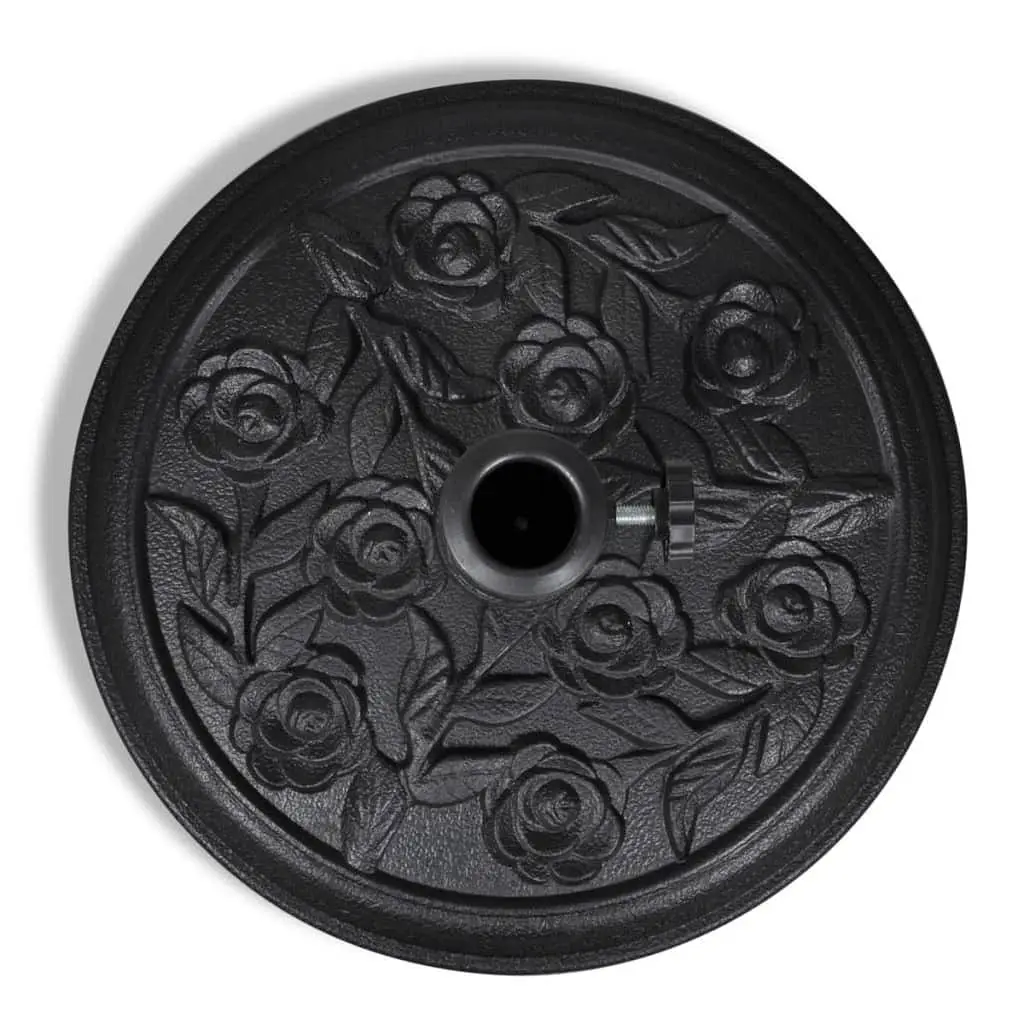
For a reliable option, consider the W2B VidaXL Modern Design Metal Parasol Base—a sturdy choice that balances form and function. It’s available from Goldoma, where you can also find expert advice. Remember, investing in a quality base is investing in many seasons of enjoyment.
For more on the science of wind and stability, check this resource on wind load.
W2B VidaXL Modern Design Metal Parasol Base Black Resin Medium Heavy Weight Support for Patio Gym Hotel Park Stainless Steel
For a sleek and sturdy option, consider the W2B VidaXL Modern Design Metal Parasol Base, available at Goldoma.
Frequently asked questions
How much does a parasol base need to weigh?
The required weight depends on the parasol size and wind conditions. A general rule is 10% of the total parasol weight, but for a 10-foot umbrella, aim for 50-70 lbs. In windy areas, go heavier.
Can I use a parasol base on grass?
Yes, but you may need a ground plate or base stand to prevent sinking. Alternatively, use a heavier base to ensure stability.
What is the best material for a parasol base?
Metal bases (like steel or stainless steel) offer durability and weight, while resin bases are lighter and more portable. Choose based on your needs for stability and mobility.
Are all parasol bases compatible with any umbrella?
No, you must match the pole diameter and type (straight or cantilever). Check your parasol’s specifications and the base’s compatibility before purchasing.
