
Blog
The Ultimate Guide to Choosing a Solid Wood Writing Desk
Buying Guide
Find Your Perfect Solid Wood Writing Desk
A solid wood writing desk is more than just a piece of furniture; it’s an investment in your daily productivity and the aesthetic of your workspace. In this guide, we’ll walk you through everything you need to know to choose the right one for your needs.
Why Choose a Solid Wood Writing Desk?
Solid wood desks have been a staple in offices for centuries, and for good reason. Unlike particleboard or veneer, solid wood offers unmatched durability and character. Each desk is unique, with natural grain patterns that tell a story. When you choose a solid wood writing desk, you’re not just buying furniture; you’re investing in a piece that can last for generations with proper care.
Moreover, solid wood is a sustainable choice when sourced responsibly. Many manufacturers now use reclaimed or certified wood, making it an eco-friendly option. In a world of disposable furniture, a solid wood desk stands out as a conscious choice.
Key Factors to Consider
Before you start shopping, there are several factors to keep in mind to ensure you find the perfect match.
1. Wood Type
Different woods offer different aesthetics and durability. Oak is known for its strength and prominent grain, while walnut offers a rich, dark color. Maple is pale and smooth, perfect for a modern look. Consider the overall style of your room and how much wear and tear the desk will endure.
2. Size and Space
Measure your available space carefully. A desk that’s too large can overwhelm a room, while one that’s too small might not provide enough surface area. Think about what you’ll be using it for—just a laptop, or also books and paperwork? Allow for adequate legroom and clearance for drawers.
3. Storage Options
Do you need drawers? If so, how many and what size? Some desks come with a single drawer for small items, while others have multiple drawers and even a hutch for extra shelving. Consider your organizational needs and choose accordingly.
4. Finish and Color
The finish not only affects appearance but also protection. A natural finish highlights the wood’s beauty, while a painted or stained finish can match your decor. Darker finishes hide dirt better, but lighter finishes can make a room feel more spacious.
Styles and Designs
Solid wood writing desks come in a variety of styles, from traditional to contemporary. A classic writing desk with turned legs adds a touch of elegance. A minimalist desk with clean lines suits modern interiors. Some desks feature a roll-top or a hutch for extra functionality. Think about the existing furniture in your room and choose a style that complements it.
Traditional
These desks often feature ornate details, such as carved legs and brass hardware. They evoke a sense of history and craftsmanship.
Modern
Clean lines, simple shapes, and a focus on functionality define modern desks. They often incorporate metal or glass elements, but a solid wood top remains the centerpiece.
Rustic
Rustic desks embrace the natural imperfections of wood, such as knots and cracks. They are perfect for a cabin or farmhouse aesthetic.
Maintenance and Care
To keep your solid wood writing desk looking its best, regular maintenance is essential. Dust it regularly with a soft cloth. Use coasters for drinks and mats for hot items. Avoid placing it in direct sunlight, which can fade the finish. Every few months, apply a high-quality wood polish or wax to keep the wood hydrated and protected.
If you spill something, wipe it up immediately to prevent stains. For deeper scratches, you can use a wood filler or touch-up marker. With a little effort, your desk will retain its beauty for years.
Where to Place Your Desk
Location matters. Place your desk near a window for natural light, but avoid glare on your screen. Ensure there are enough electrical outlets for your devices. Leave enough space around the desk for comfortable movement. If possible, position it so you have a pleasant view—it can boost your mood and productivity.
Budgeting for Your Desk
Solid wood desks are an investment. Prices vary widely based on wood type, size, and craftsmanship. Set a budget before you start shopping, but be prepared to pay more for quality. Remember that a good desk can last decades, so it’s worth spending a bit extra for durability and timeless design.
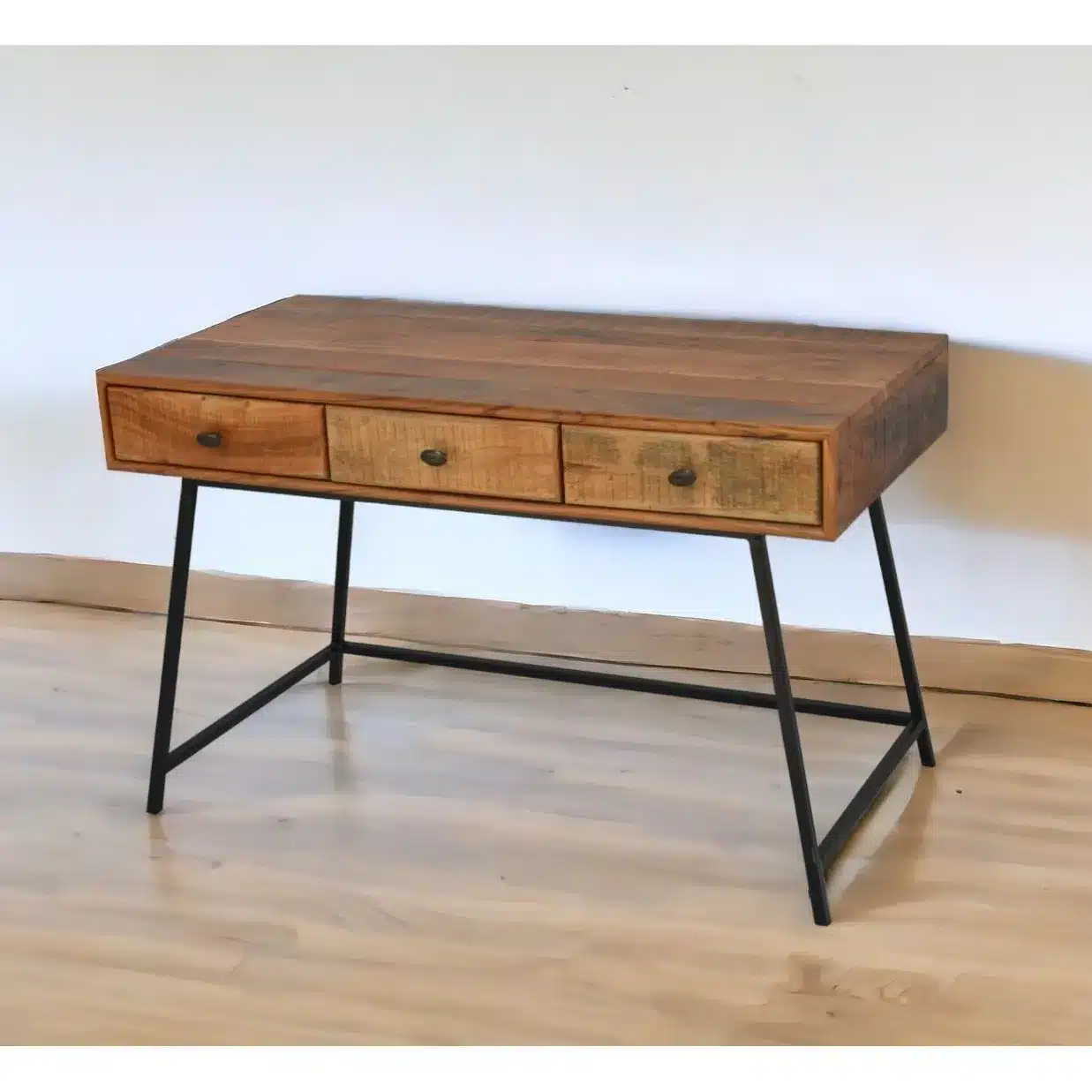
In conclusion, a solid wood writing desk is a wise purchase that will serve you well for years. Consider your space, needs, and style preferences, and you’ll find the perfect desk. For a reliable option, check out the characteristics of wood to understand what you’re buying. If you’re looking for a specific recommendation, the 47″ Solid Wood Writing Desk in Natural and Black with Three Drawers is a versatile choice that combines functionality with style.
47″ Solid Wood Writing Desk in Natural and Black with Three Drawers-for Office Use
Consider the 47″ Solid Wood Writing Desk in Natural and Black with Three Drawers—a practical and stylish addition to any office.
Frequently asked questions
What is the best wood for a writing desk?
The best wood depends on your needs. Oak is durable and has a prominent grain, walnut is rich and dark, maple is pale and smooth, and cherry darkens with age. Consider your style and how much wear the desk will see.
How do I measure for a writing desk?
Measure the length and width of the space where you plan to place the desk. Also measure the height of your chair to ensure the desk height is comfortable. Leave at least 30 inches of clearance for the chair and movement.
Can I use a solid wood desk outdoors?
No, solid wood desks are designed for indoor use. Exposure to moisture and sunlight can damage the wood and finish. If you need an outdoor desk, look for materials like teak or treated wood specifically for outdoor use.
How do I remove water rings from a solid wood desk?
Water rings can often be removed with a mixture of equal parts vinegar and olive oil. Apply the mixture with a soft cloth, rub gently along the grain, and let it sit for a few minutes before wiping off. For stubborn rings, you may need a commercial wood cleaner.
