
Blog
The Ultimate Guide to Choosing a White Writing Desk
Buying Guide
Find Your Perfect White Writing Desk Today
A white writing desk can transform your workspace into a serene and productive haven. In this guide, we’ll walk you through everything you need to consider before making a purchase.
Why Choose a White Writing Desk?
A white writing desk is more than just a piece of furniture; it’s a statement of style and functionality. Its bright, neutral tone can make a room feel larger and more open, while providing a clean canvas for your creative work. Whether you’re a student, a professional, or a hobbyist, a white desk can help you stay focused and organized.
White desks are incredibly versatile. They blend seamlessly with various interior design themes, from minimalist to Scandinavian to modern farmhouse. The color white doesn’t compete with other elements in the room, allowing your decor and accessories to shine. Plus, it reflects light, which is especially beneficial in darker spaces.
Key Considerations for Your White Writing Desk
Before you dive into the market, it’s essential to think about your specific needs. Here are some factors to consider:
Size and Space
Measure your room and determine how much space you can dedicate to a desk. Consider the desk’s dimensions, but also think about clearance for a chair and movement around the area. A compact desk might suit a small apartment, while a larger one can accommodate multiple monitors and office equipment.
Storage Options
Think about what you’ll be storing. Do you need drawers for stationery, files, or electronics? Some desks come with built-in shelves or hutches for extra storage. If you prefer a minimalist look, a simple desk with a few drawers might be enough.
Material and Durability
The material of your desk affects both its look and its lifespan. Solid wood is durable but can be heavy and expensive. MDF (medium-density fiberboard) is a popular choice because it’s affordable, smooth, and resistant to warping. Metal frames add stability and a modern touch.
Style and Aesthetics
Your desk should reflect your personal style. Do you prefer a sleek, modern design with clean lines, or a more traditional look with ornate details? Consider the finish: matte, glossy, or textured. Also, think about how the desk will harmonize with your existing furniture and color palette.
Materials: From MDF to Solid Wood
The material of your white writing desk is crucial for both aesthetics and functionality. Here are the most common options:
- MDF (Medium-Density Fiberboard): An engineered wood product made from wood fibers and resin. It’s smooth, uniform, and takes paint well, making it a great base for a white finish. MDF is durable and resistant to moisture, though it can be susceptible to scratches and dents.
- Particleboard: Similar to MDF but less dense and typically cheaper. It’s lighter but less durable and can swell if exposed to water.
- Solid Wood: Offers natural beauty and unmatched durability. However, it can be expensive and requires more maintenance. Painted solid wood can give a classic, timeless look.
- Metal: Often used for legs or frames, metal adds strength and a contemporary feel. It’s easy to clean and can be combined with wood or glass tops.
Each material has its pros and cons. For a budget-friendly yet reliable option, MDF is an excellent choice. If you’re looking for something more long-lasting, solid wood might be worth the investment.
Styles of White Writing Desks
White writing desks come in a variety of styles to suit different tastes and room aesthetics. Here are a few popular ones:
- Minimalist: Clean lines, no frills, and a focus on functionality. These desks often feature simple geometric shapes and a neutral palette.
- Scandinavian: Characterized by light woods, white finishes, and a cozy yet modern feel. They often have tapered legs and a compact design.
- Industrial: Combining metal and wood, these desks have a rugged, urban look. A white top with black metal legs is a common combination.
- Traditional: These desks often feature ornate details, curved legs, and a classic silhouette. A white finish can modernize the traditional style.
- Floating/Wall-Mounted: These desks save floor space and create a sleek, airy look. They’re perfect for small rooms or home offices.
Choose a style that resonates with your personality and complements your space. Remember, you’ll be spending time at this desk, so it should be both comfortable and inspiring.
Functionality and Ergonomics
A white writing desk should not only look good but also support your health and productivity. Consider the following ergonomic factors:
- Height: The standard desk height is around 29 inches, but you may need a different height depending on your stature. If you’re taller or shorter, look for an adjustable desk or one that suits your seating.
- Legroom: Ensure there’s enough space under the desk for your legs and chair. A desk with a lower shelf might restrict movement.
- Cable Management: With multiple devices, cable clutter can become a problem. Look for desks with grommet holes or built-in cable trays.
- Accessories: Some desks come with additional features like a keyboard tray, monitor stand, or power outlets. These can enhance your workflow.
Remember to pair your desk with an ergonomic chair and set up your monitor at eye level to avoid strain.
Placement and Styling Tips
Once you’ve chosen your white writing desk, the next step is to integrate it into your space. Here are some tips:
- Lighting: Place your desk near a window to take advantage of natural light. If that’s not possible, invest in a good desk lamp with adjustable brightness.
- Decor: Use your desk to display personal items like photos, plants, or inspiring quotes. A small plant can add a touch of nature and improve air quality.
- Organization: Keep your desk tidy with drawer organizers, trays, and file holders. A clutter-free workspace promotes clarity of thought.
- Color Coordination: White pairs well with almost any color. Add pops of color with accessories like a colorful chair, rug, or wall art to create visual interest.
Remember, your desk is a reflection of your personality. Make it a place where you enjoy spending time.
Maintenance and Care
To keep your white writing desk looking pristine, regular maintenance is key. Here are some tips:
- Dust Regularly: Use a soft, dry cloth to wipe down the surface daily or weekly to prevent buildup.
- Clean Spills Immediately: White surfaces show stains easily. Wipe up any spills right away with a damp cloth and mild soap.
- Avoid Harsh Chemicals: Use gentle cleaners that won’t damage the finish. Avoid abrasive scrubbers.
- Protect the Surface: Use a desk pad or mat to shield the top from scratches and heat.
- Check Hardware: Periodically tighten screws and bolts to ensure stability.
With proper care, your white desk can remain a beautiful and functional piece for years to come.
Conclusion: Invest in Your Productivity
A white writing desk is a valuable addition to any home or office. It offers a bright, clean surface that encourages focus and creativity. By considering the factors outlined in this guide, you can find a desk that meets your needs and fits your style.
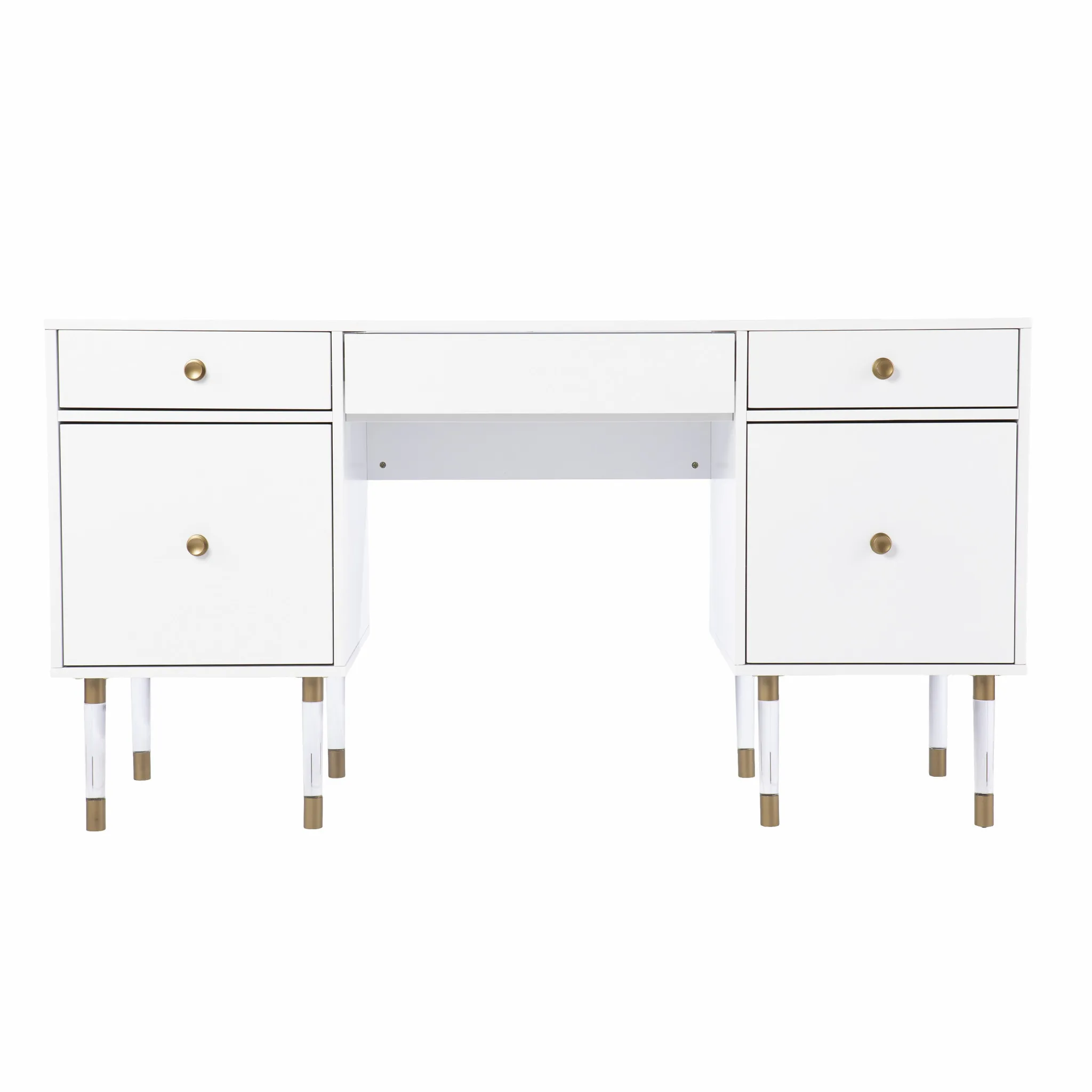
For a reliable and stylish option, consider the 55 White Minimalist Design Writing Desk with Four MDF Drawers – it combines functionality with a sleek look, perfect for any workspace.
Remember, the right desk can make all the difference in your daily routine. Choose wisely, and enjoy your new haven of productivity.
55 White Minimalist Design Writing Desk with Four MDF Drawers Office Furniture for Office Building or Bedroom Use
One excellent option that balances style and practicality is the 55 White Minimalist Design Writing Desk with Four MDF Drawers, which offers ample storage and a clean aesthetic.
Frequently asked questions
What is the standard height of a white writing desk?
The standard height for a writing desk is approximately 29 inches, which suits most adults. However, if you’re taller or shorter, you may need an adjustable desk or one that is specifically sized for your comfort.
How do I clean a white writing desk without causing damage?
Use a soft, damp cloth with a mild soap or a gentle all-purpose cleaner. Avoid abrasive sponges and harsh chemicals that can strip the finish. Always dry the surface immediately to prevent water spots.
Can I use a white writing desk in a small room?
Absolutely! White reflects light and can make a small room feel more spacious. Choose a compact model or a wall-mounted desk to save floor space. Look for designs with built-in storage to maximize functionality.
Are white desks prone to showing scratches?
White surfaces can show scratches more easily than darker ones, but this depends on the material and finish. MDF with a matte finish is more forgiving, while glossy finishes may show marks more prominently. Using a desk pad can help protect the surface.
