
Blog
How to Choose an Absorbent Bath Rug That Actually Works
Bathroom Essentials
The Ultimate Absorbent Bath Rug Buying Guide
An absorbent bath rug is the unsung hero of a comfortable bathroom, turning a wet floor into a cozy landing. But not all rugs are created equal—here’s how to pick one that truly performs.
Why Absorbency Matters in a Bath Rug
The primary job of a bath rug is to soak up water after a shower or bath. An absorbent bath rug prevents puddles, reduces the risk of slips, and keeps your bathroom floor dry. Look for materials like microfiber, cotton, or bamboo that have high water retention. A good rug should absorb several times its weight in water and feel dry to the touch within a few hours. Learn more about bath mat materials on Wikipedia.
Materials: The Foundation of Absorbency
The best materials for an absorbent bath rug are natural fibers like cotton or synthetic ones like microfiber. Cotton is soft and highly absorbent, but it can take longer to dry. Microfiber, often made from polyester and polyamide, is engineered to wick moisture away quickly and dries fast. Bamboo mats are eco-friendly but less plush. For maximum absorbency, choose a rug with a thick pile and dense weave.
- Cotton: Classic, soft, and very absorbent; ideal for low-traffic bathrooms.
- Microfiber: Fast-drying, lightweight, and often has a non-slip backing.
- Bamboo: Sustainable, but less plush; good for humid climates.
Thickness and Pile Height: Finding the Sweet Spot
A thicker rug generally holds more water, but it also takes longer to dry. For an absorbent bath rug, aim for a pile height between 0.5 and 1 inch. Too thin, and it won’t absorb enough; too thick, and it may become a tripping hazard or trap moisture. A medium-thick rug with a dense pile offers the best balance of comfort and functionality. Test by pressing your hand into the rug—it should spring back quickly.
Non-Slip Backing: Safety First
An absorbent bath rug is useless if it slides around. Look for rugs with a latex or rubber non-slip backing. This feature keeps the rug firmly in place on tile or hardwood floors. Some rugs use a grippy coating that works on wet surfaces. Always check the backing material for durability—some can degrade over time with washing. A rug that stays put reduces the risk of falls and keeps your bathroom safe.
Size and Shape: Matching Your Space
The perfect absorbent bath rug should fit your bathroom layout. Common sizes include 17×24 inches for in front of the sink, 20×30 inches for the tub, and larger 24×36 inches for shower exits. Consider a runner for narrow spaces. Oval, rectangular, or round shapes are available. Measure your floor area before buying to ensure the rug lies flat without curling edges.
Tips for Placement
- Place the rug where you step out of the shower or tub.
- Leave a gap of about 2 inches from the wall to avoid water wicking up.
- Use two rugs if you have a double vanity.
Care and Maintenance: Prolonging Absorbency
To keep your absorbent bath rug performing well, wash it regularly. Most rugs are machine washable—use cold water and mild detergent. Avoid fabric softeners, which can coat fibers and reduce absorbency. Tumble dry on low heat or air dry. Shake the rug before washing to remove hair and debris. Replace your rug every 6–12 months, or sooner if it starts to smell musty or loses its fluffiness.
Eco-Friendly Options
If sustainability matters to you, consider absorbent bath rugs made from organic cotton, hemp, or recycled materials. These options are biodegradable and often produced with fewer chemicals. Look for certifications like OEKO-TEX or GOTS. While they may cost more, they reduce your environmental footprint. Bamboo rugs are also renewable but check for formaldehyde-free adhesives.
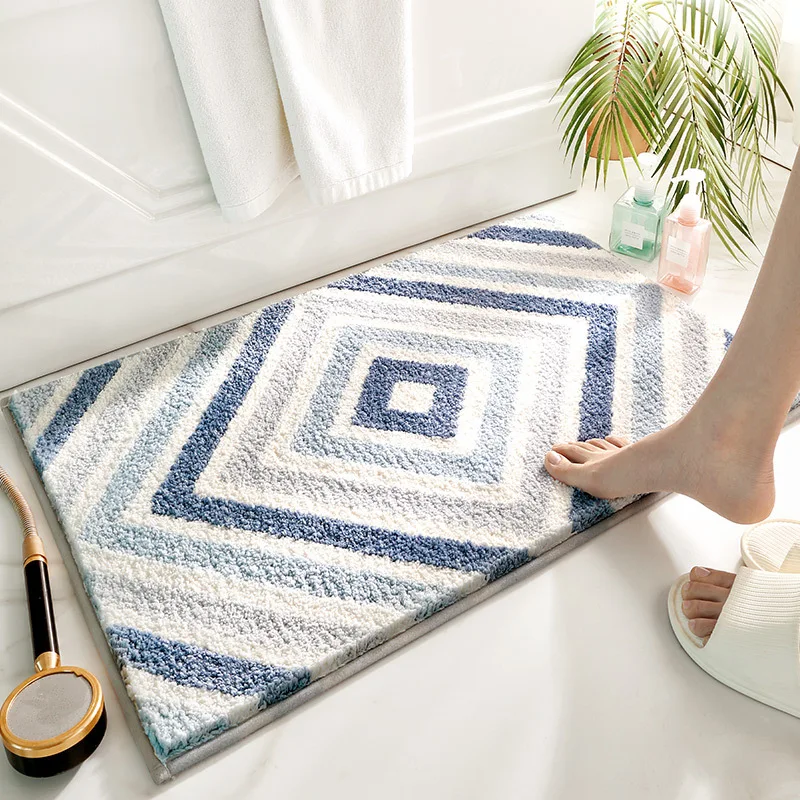
Simple Geometric Bathroom Non-slip Mat Microfiber Flocking Bath Mat Thick Plush Bathroom Rug Absorbent Non-slip Foot Mat Doormat
For a reliable option, consider the Simple Geometric Bathroom Non-slip Mat, which uses microfiber flocking for high absorbency and a non-slip backing that stays put.
Frequently asked questions
How often should I wash my absorbent bath rug?
Wash your bath rug every 1-2 weeks depending on use. In humid climates or with heavy use, weekly washing prevents mildew. Always follow the care label.
Can I use a bath rug on heated floors?
Yes, most absorbent bath rugs are safe for heated floors. However, check if the rug has a rubber backing, as some can trap heat. Use a rug with a breathable backing.
What’s the difference between a bath mat and a bath rug?
Bath mats are typically thinner and used inside the tub to prevent slipping. Bath rugs are thicker, absorbent, and placed outside the tub or shower. Both serve different purposes.
Why does my bath rug smell musty?
Musty smells come from trapped moisture and bacteria. To prevent this, ensure the rug dries completely between uses. Wash with vinegar or baking soda to neutralize odors.