
Blog
Antique Brass End Table Buying Guide: Warmth & Style
Buying Guide
How to Choose an Antique Brass End Table
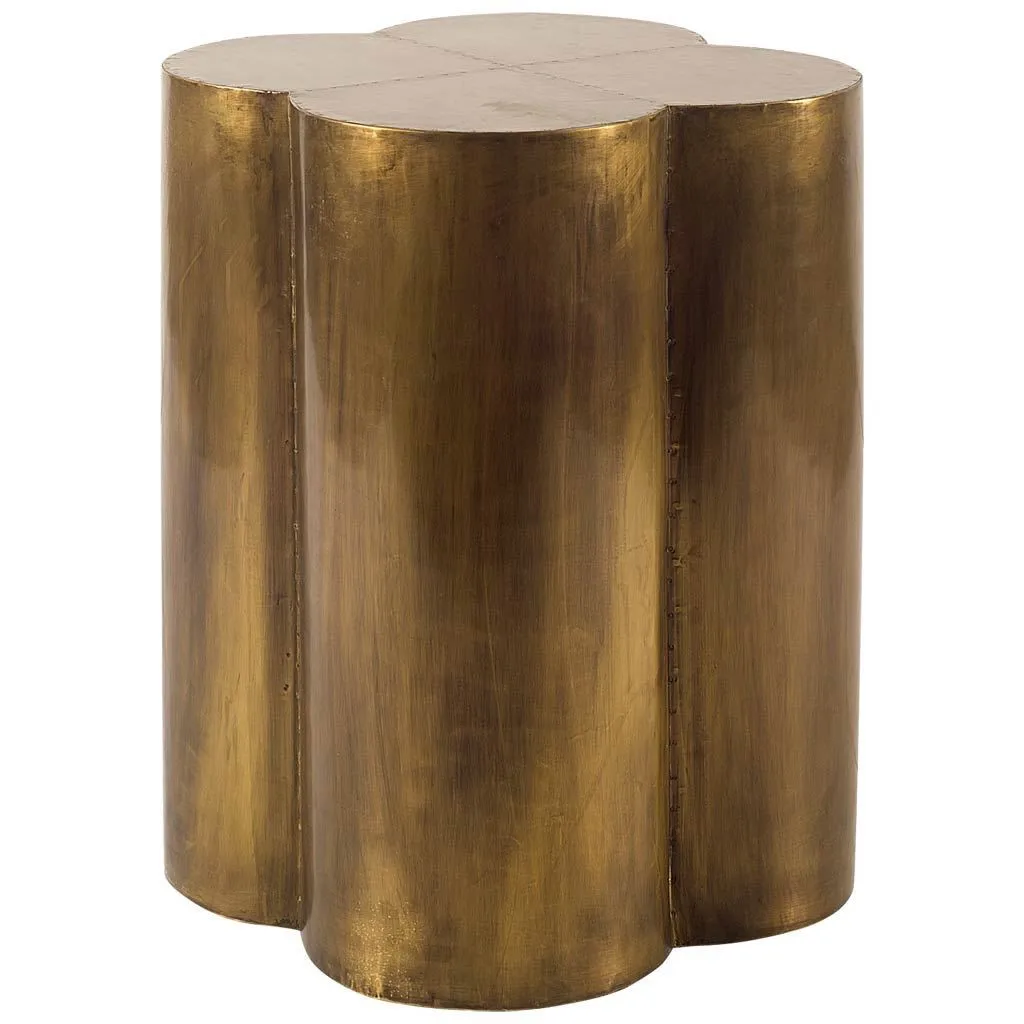
An antique brass end table brings timeless warmth and character to any room. Whether you’re styling a cozy reading nook or a chic living area, the right piece can anchor your space with understated elegance.
Why Choose an Antique Brass End Table?
An antique brass end table offers a blend of durability and vintage charm that modern finishes often lack. The warm golden undertones of aged brass complement both traditional and contemporary decor, adding a touch of history without overwhelming the room. Unlike trendy metallic finishes that fade, quality brass develops a natural patina over time, making each piece unique.
Beyond aesthetics, these tables are built to last. Solid brass construction resists corrosion, and the weight gives a reassuring stability. Whether you place it beside a sofa or as a nightstand, an antique brass end table becomes a functional heirloom.
Styles and Design Variations
Antique brass end tables come in several distinct styles, from ornate Victorian to minimalist mid-century. Consider the overall design of your space:
- Farmhouse: Often featuring turned legs and a distressed brass finish, these tables pair well with rustic wood and neutral fabrics.
- Industrial: Combine brass with dark iron or reclaimed wood for a loft-like vibe. Look for exposed rivets and simple silhouettes.
- Mid-Century Modern: Clean lines, tapered legs, and a satin brass surface fit perfectly with retro-inspired interiors.
- Traditional: Detailed scrollwork, cabriole legs, and intricate brass hardware evoke a classic, formal feel.
Don’t be afraid to mix styles. A farmhouse brass table can soften a modern room, while a sleek mid-century piece adds contrast to a cozy, eclectic space.
Materials and Construction Quality
The term “antique brass” can refer to both solid brass and brass-plated finishes. For longevity, prioritize solid brass or heavy-gauge steel with a brass coating. Check the thickness of the metal—thin sheets may dent or warp. Look for smooth edges, tight joints, and a consistent patina. High-quality antique brass end tables often use cast brass for decorative elements like drawer pulls or legs.
Also examine the shelf or tabletop material. Glass tops can show off the brass frame but require careful cleaning. Wood shelves add warmth, while marble or stone tops offer a luxe contrast. Ensure any wood is sealed to prevent water rings.
Size and Proportion Tips
Before purchasing, measure your intended space. An antique brass end table should be roughly the same height as the arm of your sofa or chair (typically 24–28 inches). The width should allow for a lamp and a drink without feeling cramped. For small rooms, a round or oval table saves space and softens sharp corners. In larger areas, a square or rectangular table with a lower shelf provides extra storage for books or baskets.
Consider the visual weight: a heavily ornate brass table can dominate a small nook, while a delicate one might get lost against a large sectional. Balance is key.
Where to Place Your Antique Brass End Table
These versatile tables work in almost any room. In the living room, flank a sofa with matching tables for symmetry. In a bedroom, use one as a nightstand—the brass finish adds warmth against neutral bedding. In a hallway, a narrow brass table with a shelf can hold keys and a small lamp. Even in a home office, an antique brass end table beside a desk offers a stylish spot for a coffee mug and a plant.
For cohesive styling, repeat the brass finish in other accents like picture frames, lamp bases, or hardware. This creates a collected, intentional look.
Caring for Antique Brass
To maintain the beauty of your antique brass end table, dust regularly with a soft cloth. Avoid abrasive cleaners that can strip the patina. For tarnish, use a mixture of lemon juice and baking soda, or a commercial brass cleaner—test on a hidden area first. Some people prefer the aged look, so you may only need to clean occasionally. Keep the table away from direct sunlight and moisture to prevent uneven aging.
If the finish begins to fade, a thin coat of clear lacquer can preserve the current patina. Alternatively, let it develop naturally—each scratch and spot tells a story.
Budget and Value Considerations
Antique brass end tables range from affordable reproductions to high-end antiques. Set a budget based on how often you plan to use the piece. For daily use, invest in quality construction. For occasional use, a well-made reproduction can offer the look without the cost. Check reviews and return policies, especially when buying online. Remember that a slightly higher price often means better materials and craftsmanship, which pays off over time.
Before finalizing, compare a few options. Notice the weight, feel of the brass, and stability. A well-made antique brass end table should feel solid and show even finishing.
For more on the history of brass as a decorative material, see Wikipedia.
Goldoma 22″ Antique Brass Farmhouse End Table with Storage Shelf
For a quality option, consider the Goldoma 22″ Antique Brass Farmhouse End Table with Storage Shelf, which combines sturdy brass tones with a practical lower shelf.
Frequently asked questions
What is the typical height of an antique brass end table?
Most antique brass end tables range from 24 to 28 inches in height, which aligns with standard sofa arm heights. Measure your seating to ensure a comfortable reach.
How do I clean an antique brass end table without damaging the finish?
Dust with a soft cloth regularly. For tarnish, use a mild brass cleaner or a paste of lemon juice and baking soda. Always test on an inconspicuous area first and avoid abrasive pads.
Can I use an antique brass end table outdoors?
Antique brass is best for indoor use. Outdoor exposure can accelerate tarnishing and corrosion. If used on a covered porch, apply a protective lacquer and bring it inside during harsh weather.
What decor styles pair well with an antique brass end table?
Antique brass complements farmhouse, industrial, mid-century modern, and traditional decor. It also works in eclectic spaces when mixed with other metals like iron or nickel for a curated look.
