
Blog
How to Choose the Perfect Antique Oak Nightstand
Buying Guide
Your Guide to the Perfect Antique Oak Nightstand
An antique oak nightstand adds timeless charm and practical storage to any bedroom. Whether you’re a seasoned collector or a first-time buyer, this guide will help you choose the right piece for your space.
Why Choose an Antique Oak Nightstand?
An antique oak nightstand brings warmth and character to a room that modern pieces often lack. Oak is known for its durability and beautiful grain, and antique examples often feature handcrafted details that are hard to find today. A well-chosen nightstand can serve as both a functional bedside table and a conversation starter.
Beyond aesthetics, these pieces are built to last. Many antique oak nightstands were constructed with joinery techniques like dovetail drawers and mortise-and-tenon frames, ensuring they can withstand decades of use. They also offer a sustainable choice, as buying antique reduces demand for new furniture production.
Understanding Oak Wood and Its History
Oak has been a favored wood in furniture making for centuries, prized for its strength and attractive grain patterns. In antique furniture, you’ll commonly find European oak or American white oak. European oak tends to have a tighter grain and is often found in pieces from the 18th and 19th centuries.
Over time, oak develops a rich patina that enhances its beauty. When evaluating an antique oak nightstand, look for consistent color and signs of age like minor wear that tell the piece’s story. Be cautious of reproductions that use modern finishes to mimic age.
Key Features to Look For
When shopping for an antique oak nightstand, consider these important features:
- Drawer construction: Look for dovetail joints, a sign of quality craftsmanship. The drawer should glide smoothly and have a solid bottom.
- Hardware: Original brass or iron handles add value. Check that they are securely attached and not overly tarnished.
- Legs and base: Turned legs or cabriole legs are common in antique pieces. Ensure they are stable and level.
- Top surface: The top should be in good condition, with minimal water rings or scratches. A little wear is acceptable but deep gouges might require refinishing.
Size and Proportion
Measure your bedside space before buying. Standard nightstands are about 24-28 inches tall and 18-24 inches wide. An antique oak nightstand that is too large can overwhelm a small room, while one too small may look out of place next to a tall bed.
Styles of Antique Oak Nightstands
Antique oak nightstands come in various styles, each with distinct characteristics:
- Victorian: Ornate with carved details, often featuring marble tops or turned legs. These pieces are heavy and elaborate.
- Arts and Crafts: Simple, sturdy designs with straight lines and exposed joinery. Emphasizes natural wood beauty and functionality.
- Art Deco: Geometric shapes, often with veneers or inlays. Oak was less common in this period, but some pieces exist.
- Country or Primitive: Rustic, often with a simpler finish and less ornamentation. These are usually smaller and more casual.
Where to Find Authentic Antique Oak Nightstands
Authentic antique oak nightstands can be found at estate sales, antique shops, and online marketplaces. When buying online, ask for detailed photos of the drawer joints, back, and underside. Look for signs of age like nail holes or saw marks that indicate period construction.
Reputable dealers often provide a history of the piece. Be wary of items labeled as “antique style” or “vintage-inspired,” as these are reproductions. Prices vary widely based on condition, rarity, and craftsmanship.
Caring for Your Antique Oak Nightstand
Proper care ensures your antique oak nightstand remains beautiful for years. Dust regularly with a soft cloth. Avoid harsh chemicals; instead, use a mild soap and water solution for cleaning, then dry immediately. Apply furniture wax or oil periodically to nourish the wood.
Keep the nightstand away from direct sunlight and heat sources to prevent fading and cracking. If the finish becomes dull, consider professional refinishing rather than DIY to preserve the antique value.
Integrating an Antique Nightstand into Modern Decor
An antique oak nightstand can complement both traditional and contemporary interiors. In a modern bedroom, it adds warmth and texture against clean lines. Pair it with a minimalist bed and modern lamp for a balanced look.
If your decor leans rustic or farmhouse, an antique nightstand fits perfectly. Use it to display a stack of books or a small plant. The key is to let the nightstand be a focal point without clashing with other elements.
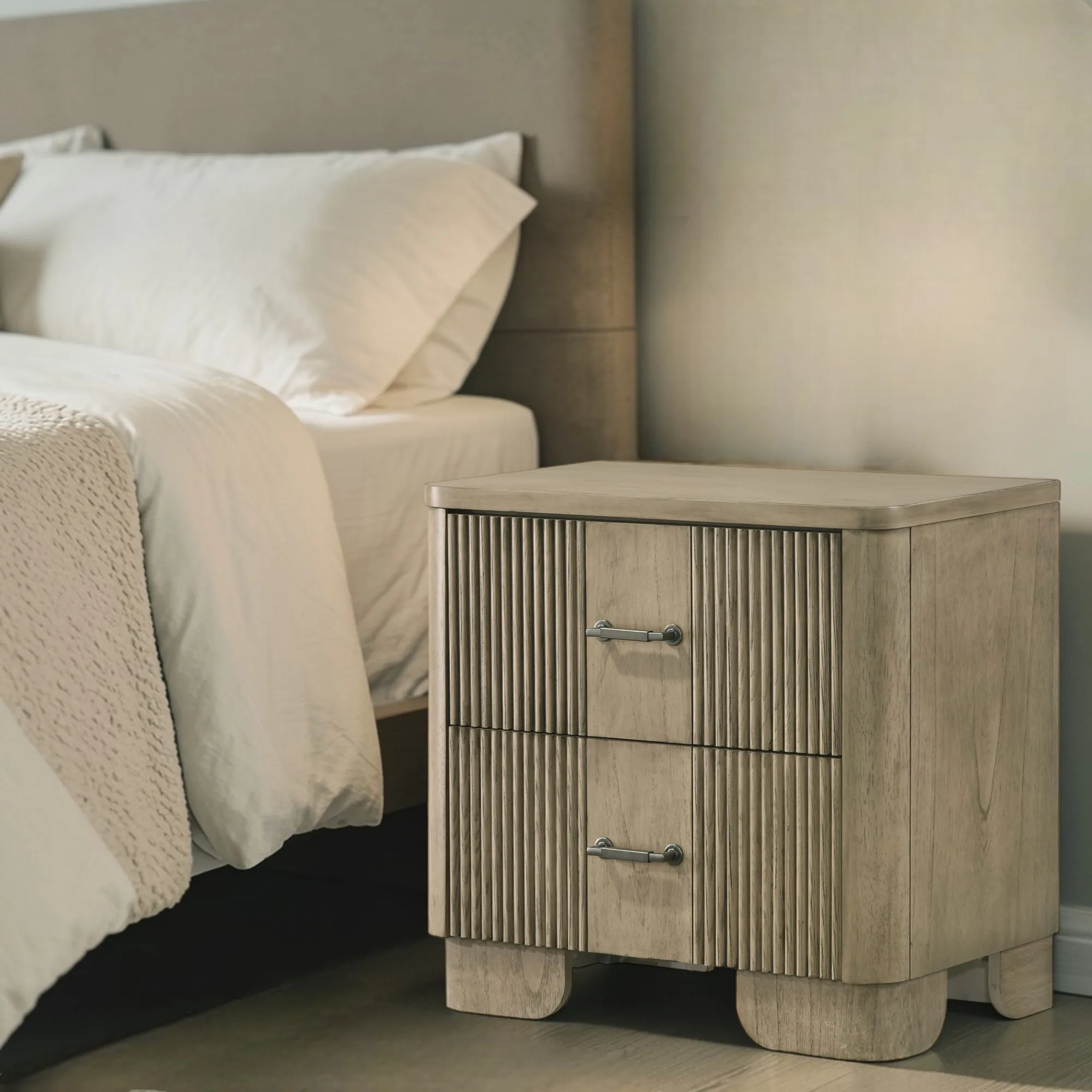
Antique Oak 2-Drawer Nightstand with Grooved Design
For a beautifully crafted option, consider our Antique Oak 2-Drawer Nightstand with Grooved Design, which combines classic aesthetics with practical storage.
Frequently asked questions
What is the typical size of an antique oak nightstand?
Most antique oak nightstands are about 24 to 28 inches tall and 18 to 24 inches wide, but sizes vary. Always measure your space before purchasing.
How can I tell if an oak nightstand is truly antique?
Look for signs of age like dovetail joints, hand-cut nails, and a patina that develops over time. Reproductions often have uniform finishes and machine-made joints.
Can I refinish an antique oak nightstand myself?
It’s possible but risky. Refinishing can reduce the antique value. If you must, consult a professional to preserve the piece’s character and integrity.
What should I do if my antique nightstand has water rings?
Minor water rings can often be removed with a mixture of equal parts vinegar and olive oil, or by using a commercial wood restorer. Test in an inconspicuous area first.
