
Blog
The Ultimate Guide to Choosing the Perfect Bath Mat
Bathroom Essentials
Your Complete Bath Mat Buying Guide
A good bath mat is more than just a bathroom accessory—it’s a daily comfort and safety essential. Whether you’re upgrading your space or starting from scratch, this guide will help you choose the perfect bath mat for your needs.
Why a Quality Bath Mat Matters
Every morning, you step out of the shower onto a bath mat. It’s a small moment, but the right mat can make a world of difference. A quality bath mat absorbs water, prevents slips, and adds a cozy touch to your bathroom. But not all mats are created equal. The material, thickness, and design all play a role in performance and longevity.
Beyond comfort, a bath mat serves a practical purpose: protecting your floors from moisture and reducing the risk of falls. According to the CDC, falls are a leading cause of injury, especially in wet areas. A non-slip bath mat is a simple, effective preventive measure.
Key Features to Look for in a Bath Mat
When shopping for a bath mat, consider these essential features:
- Material: Common options include cotton, microfiber, bamboo, and TPE (thermoplastic elastomer). Each has pros and cons in terms of absorbency, drying time, and eco-friendliness.
- Non-Slip Backing: Look for a mat with a strong grip to prevent sliding on tile or hardwood floors.
- Quick-Drying: A mat that dries quickly resists mold and mildew, keeping your bathroom fresh.
- Thickness: Thicker mats offer more cushioning but may take longer to dry.
- Size and Shape: Choose a size that fits your space—common sizes are 17×24 inches for standard mats or larger for in front of a tub.
- Eco-Friendliness: Some materials are more sustainable than others. TPE, for example, is recyclable and free of harmful chemicals.
Material Matters: Choosing the Right Fabric
The material of your bath mat determines its absorbency, feel, and durability. Here’s a breakdown of popular options:
Cotton
Cotton mats are soft, highly absorbent, and machine washable. They’re a classic choice but can take a while to dry, which may lead to mildew if not aired properly.
Microfiber
Microfiber mats dry quickly and are lightweight. They’re great for high-traffic bathrooms but may not feel as plush as cotton.
Bamboo
Bamboo mats are eco-friendly and naturally antimicrobial. They’re firm and ideal for a spa-like look, but they don’t absorb water—they’re more of a step stool.
TPE
TPE (thermoplastic elastomer) mats are a modern innovation. They’re non-slip, quick-drying, and often recyclable. TPE is also odorless and free of latex, making it a safe choice for sensitive individuals.
Non-Slip Safety: What to Look For
Safety should be a top priority when choosing a bath mat. A non-slip backing is crucial, but not all are equal. Look for mats with strong suction cups or rubberized grips that adhere firmly to the floor. Some mats use a textured surface on top to prevent slipping when wet. Test the mat’s grip by placing it on a wet tile and pushing—it shouldn’t slide easily.
Remember that even the best non-slip mats need occasional cleaning to maintain their grip. Soap residue and oils can reduce adhesion over time.
Eco-Friendly Options: Sustainable Bath Mats
If you’re environmentally conscious, consider a sustainable bath mat. Materials like organic cotton, bamboo, and recycled TPE are better for the planet. TPE, in particular, is a recyclable plastic that doesn’t contain BPA or phthalates. It’s also durable, so you won’t need to replace it as often. Look for certifications like OEKO-TEX or Global Recycled Standard to ensure the product meets eco-standards.
How to Maintain Your Bath Mat for Longevity
Proper care extends the life of your bath mat. Here are some tips:
- Shake out your mat after each use to remove excess water and debris.
- Wash cotton and microfiber mats every 1-2 weeks in warm water with mild detergent. Avoid fabric softener, which can reduce absorbency.
- TPE and rubber mats can be rinsed with water and wiped clean. Avoid machine washing unless specified.
- Dry mats thoroughly before placing them back on the floor. Hang them or lay them flat in a well-ventilated area.
- Replace your mat every 6-12 months, or sooner if it shows signs of wear like fraying or loss of grip.
- Avoid using bleach or harsh chemicals, as they can damage the mat’s materials.
Styling Your Bathroom with the Right Bath Mat
Your bath mat can enhance your bathroom’s decor. Choose colors and patterns that complement your tiles and towels. Neutral tones like white, gray, and beige create a clean look, while bold colors add a pop of personality. For a cohesive design, match the mat’s texture with your shower curtain or bath rug. A high-quality bath mat doesn’t just perform well—it also elevates the aesthetic of your space.
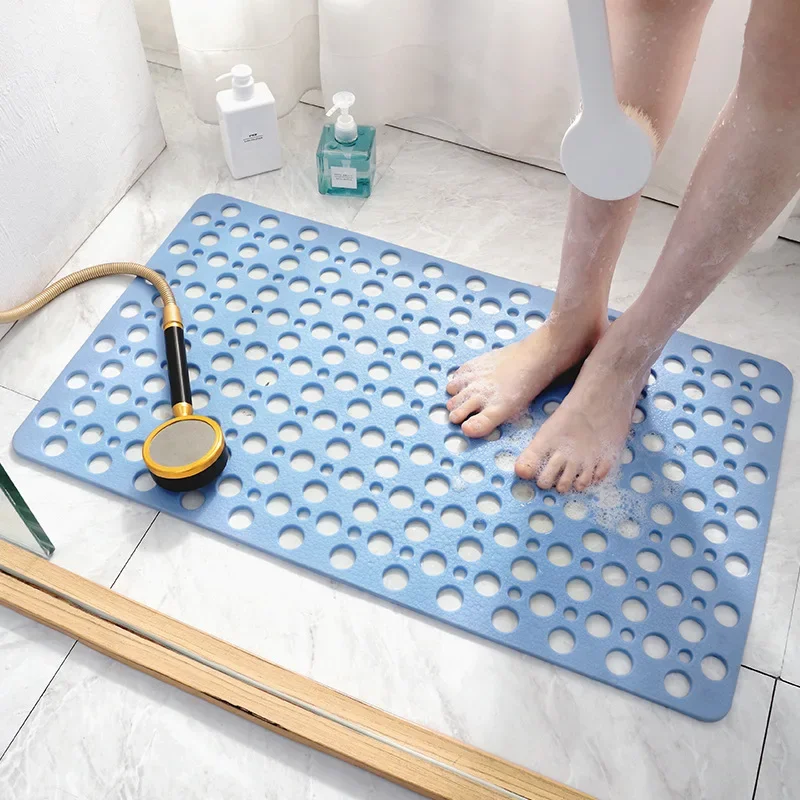
Shower Bath Mat Environmental Protection Tasteless TPE Toilet Household Bathtub Bathroom Hollow Hydrophobic Thicken AntiSlip Pad
For a reliable and eco-friendly option, consider the Shower Bath Mat Environmental Protection Tasteless TPE Toilet Household Bathtub Bathroom Hollow Hydrophobic Thicken AntiSlip Pad, which combines safety, comfort, and sustainability.
Frequently asked questions
How often should I replace my bath mat?
Replace your bath mat every 6 to 12 months, or when it shows signs of wear such as fraying edges, reduced absorbency, or loss of non-slip grip.
Can I put my bath mat in the washing machine?
It depends on the material. Cotton and microfiber mats are usually machine washable. TPE and rubber mats should be hand washed or rinsed to avoid damage.
What is the best material for a non-slip bath mat?
TPE is an excellent choice for non-slip mats because it offers strong grip, dries quickly, and is free of harmful chemicals. Rubber mats with suction cups are also effective.
How do I prevent mold on my bath mat?
To prevent mold, choose a quick-drying material like TPE or microfiber. Hang your mat after each use, wash it regularly, and ensure it is completely dry before placing it back on the floor.