
Blog
The Best Bath Salts for a Spa-Worthy Soak at Home
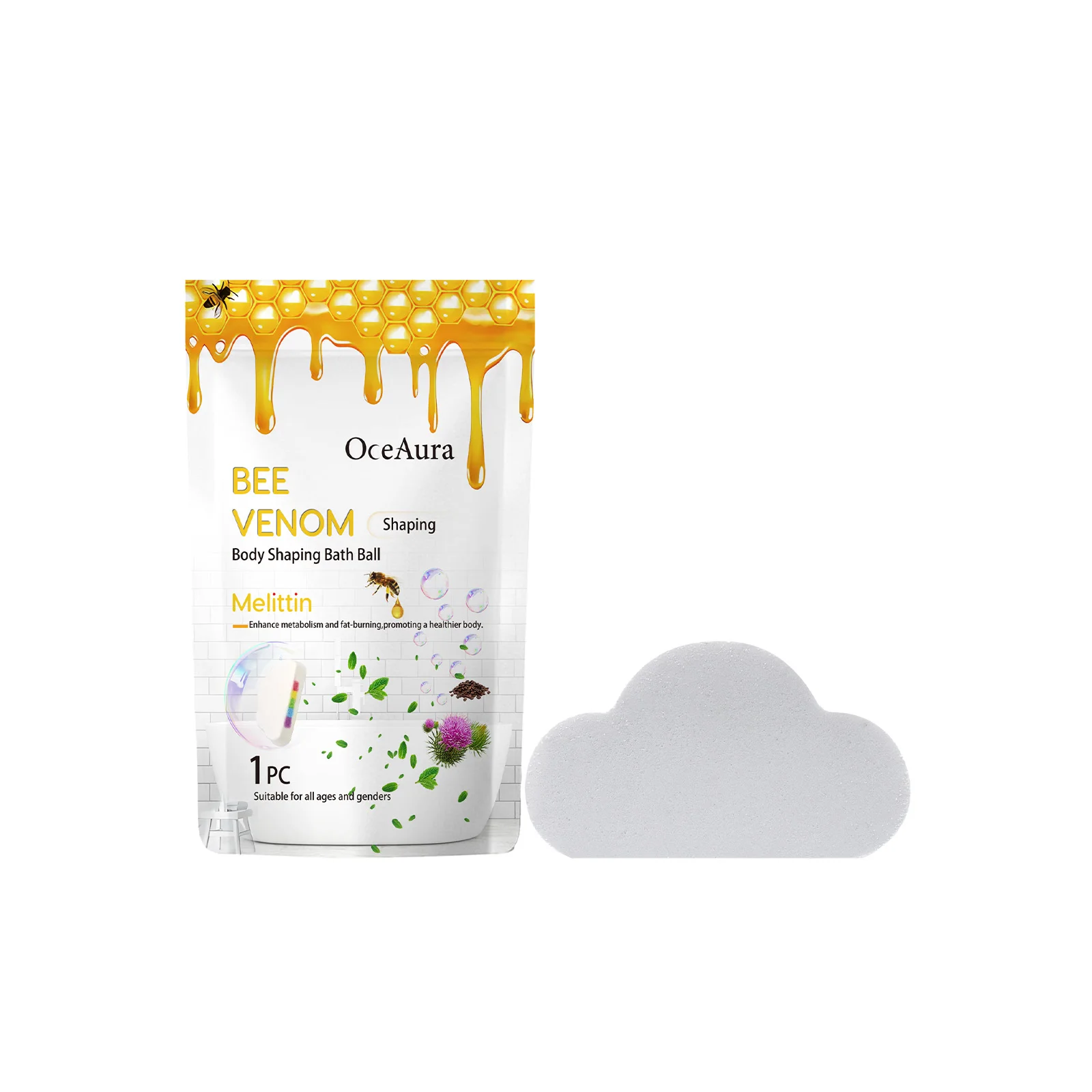
There’s nothing quite like sinking into a warm bath infused with fragrant salts after a long day. But with so many options, finding the best bath salts for your needs can be overwhelming. Whether you’re looking to soothe sore muscles, moisturize dry skin, or simply unwind, the right bath salt can transform your routine into a spa-like ritual. At Goldoma, we’ve curated a selection of top-quality bath salts that deliver on both luxury and efficacy. In this guide, we’ll share our favorite picks and offer practical advice to help you choose the perfect soak for your body and mind.
How to Choose the Best Bath Salts for Your Needs
When shopping for bath salts, start by identifying your primary goal. Are you seeking relief from muscle tension, hydration for dry skin, or a moment of pure aromatic bliss? Different salts offer different benefits. Epsom salt (magnesium sulfate) is renowned for relaxing muscles and reducing inflammation. Dead Sea salt is rich in minerals like magnesium, potassium, and calcium, which can help detoxify and rejuvenate the skin. Himalayan pink salt contains trace minerals that promote skin health. For a luxurious experience, look for salts infused with essential oils and botanical extracts—these not only smell divine but can enhance the therapeutic effects. If you have sensitive skin, opt for unscented or naturally scented varieties without artificial dyes. Also consider the form: coarse salts dissolve slowly for a long, gradual release, while fine salts or beads dissolve quickly for immediate effect. Bath beads or salt balls are convenient pre-measured options, perfect for gifting or travel.
Understanding Sizes, Materials, and Styles
Bath salts come in various packaging sizes, from single-use packets to bulk bags. If you’re new to a brand, start with a smaller size to test compatibility with your skin and preferences. Larger bags offer better value if you plan to use them regularly. The material of the packaging matters too—resealable pouches or jars keep salts dry and fresh, preventing clumping. Glass jars are elegant for display but heavier; plastic pouches are practical for storage. Styles range from plain mineral salts to decorative salt balls, beads, and infused blends with flower petals or herbs. Salt balls and beads are often pre-portioned and can be tossed directly into water, while loose salts allow you to customize the amount. For foot care, dedicated foot salts often come in larger crystals or as soaking gels, designed to target tired feet. Consider whether you prefer a simple, natural look or a more decorative, gift-ready presentation.
How to Use and Care for Your Bath Salts
To get the most from your bath salts, add them to warm running water and swirl to dissolve. A general rule is one to two handfuls per bath, but follow the product instructions. For foot soaks, use a smaller basin with a few tablespoons. Soak for 15–20 minutes to allow minerals to absorb. After your bath, rinse off and pat dry, then apply moisturizer to lock in hydration. To store, keep salts in a cool, dry place away from direct sunlight and moisture. If you use a jar, ensure the lid is tightly closed. Avoid using metal containers, as salts can corrode them. For salt balls or beads, store in their original packaging until ready to use. Always check the expiration date; while salts don’t spoil, essential oils can lose potency over time. If you have any skin conditions, consult a dermatologist before use. Lastly, clean your tub after each soak to prevent residue buildup, especially with colored or oily blends.
Frequently Asked Questions About Bath Salts
Are bath salts safe for sensitive skin? Yes, but choose unscented or naturally derived options and do a patch test first. Avoid salts with synthetic fragrances or dyes.
Can I use bath salts in a hot tub or jacuzzi? It’s not recommended, as salts can damage the jets and filtration system. Stick to regular bathtubs.
How often can I take a bath with salts? Two to three times a week is generally safe for most people. Overuse may dry out skin, so moisturize afterward.
Do bath salts expire? They don’t expire per se, but essential oils may degrade after 1–2 years. Check for a change in scent or texture.
What’s the difference between bath salts and bath bombs? Bath bombs are typically made with baking soda and citric acid for fizz, while bath salts are mineral-based and focus on therapeutic benefits. Both can be used together for a luxurious experience.
Our Top Picks
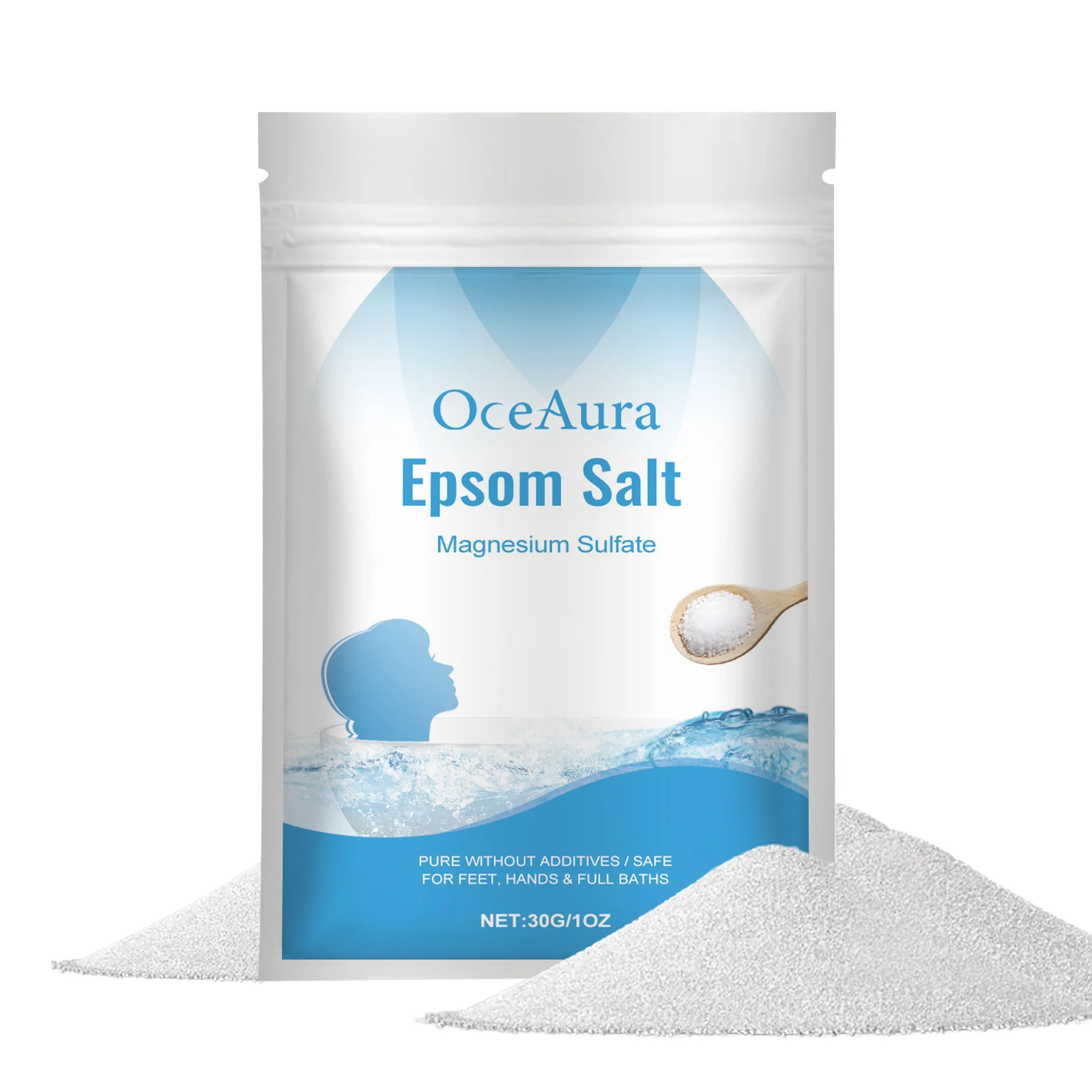
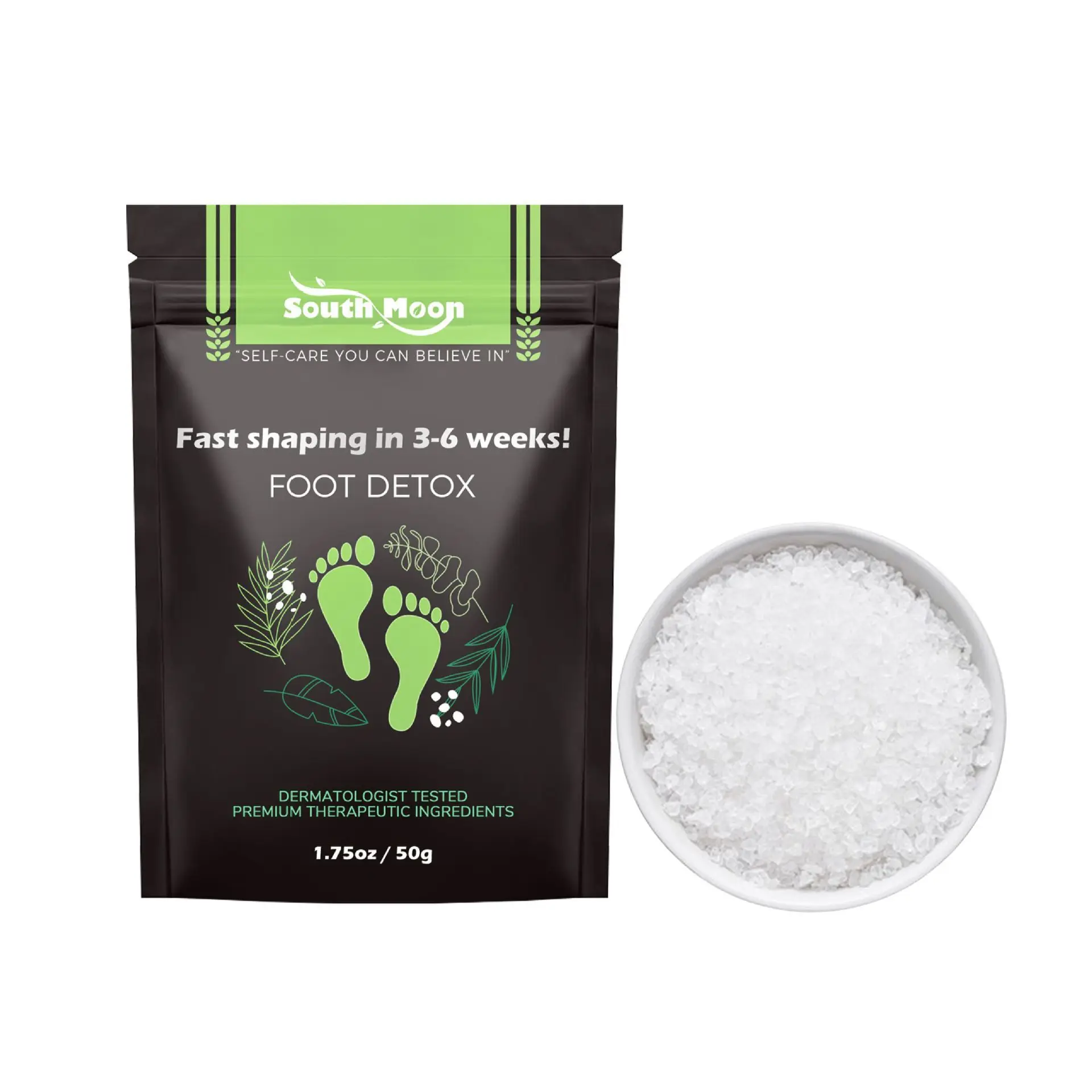
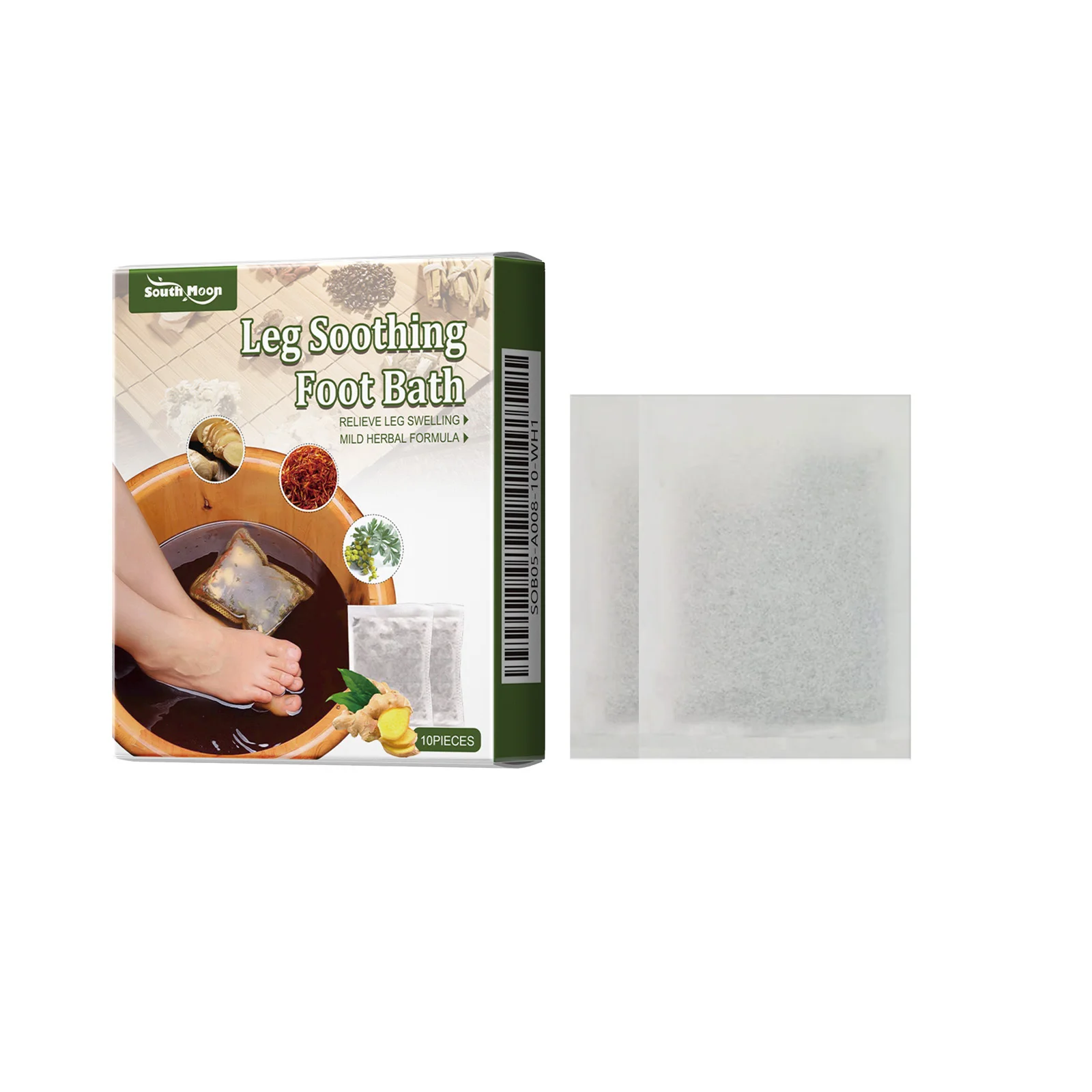
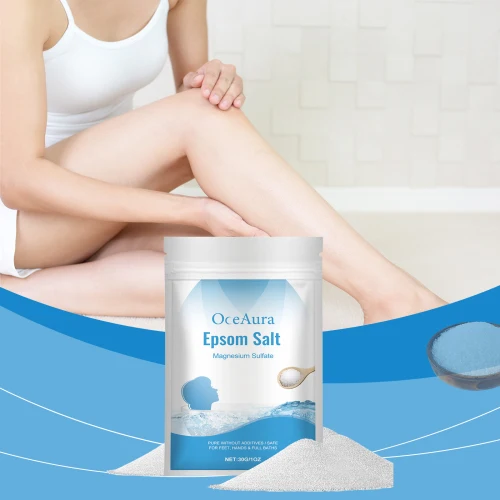
Ready to elevate your bath routine? Shop these best bath salts and more at Goldoma.com. Your perfect soak awaits.
