
Blog
The Best Cutlery & Knives: A Curated Guide to Slicing, Dicing, and Dining in Sty
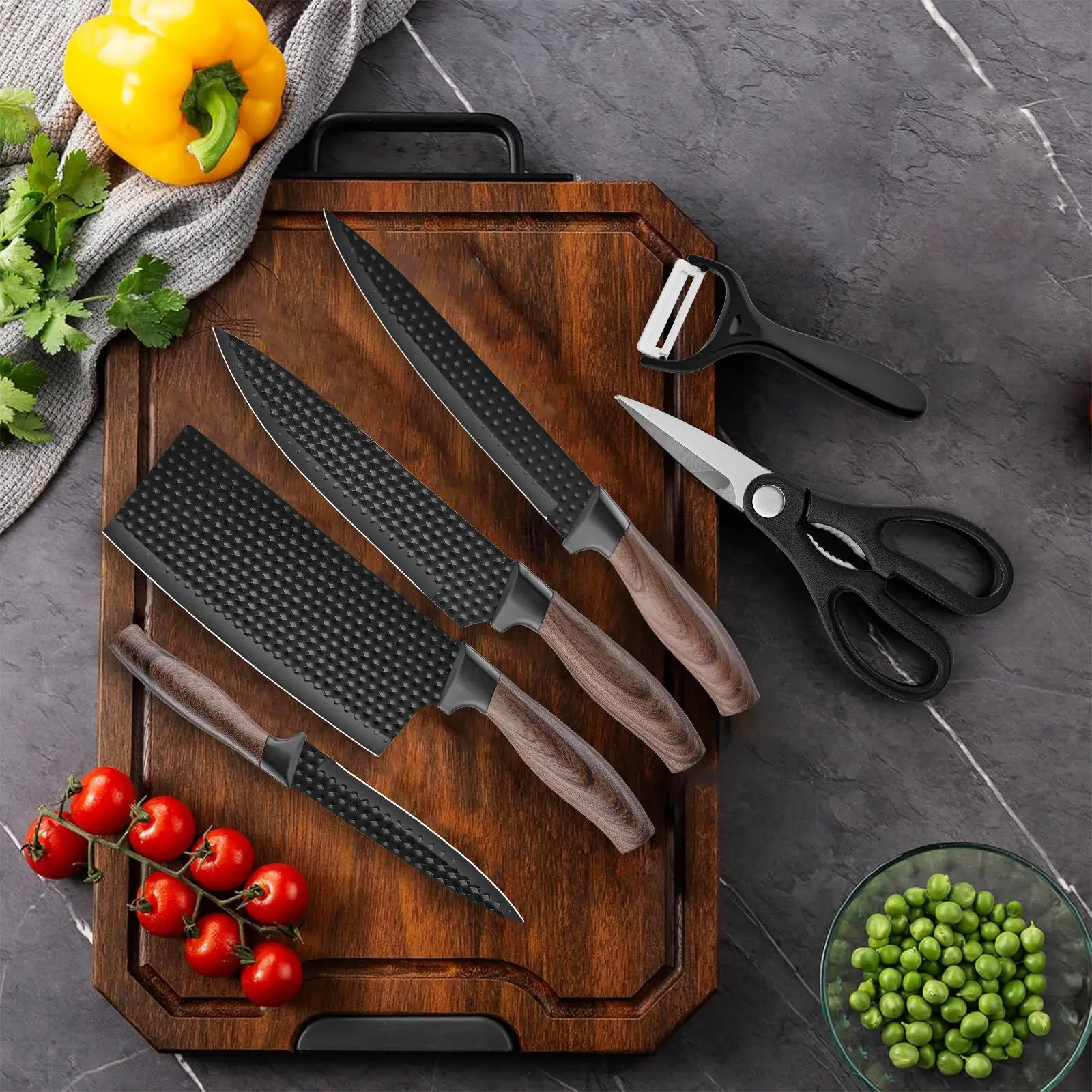
A great knife is the soul of a happy kitchen. Whether you’re a seasoned home chef or just starting to build your collection, the right cutlery makes prep work safer, faster, and far more enjoyable. At Goldoma, we’ve handpicked six standout sets and individual blades that balance performance, beauty, and value. Let’s find your perfect match.
How to Choose the Best Cutlery & Knives for Your Home
Before you fall for a beautiful blade, think about how you actually cook. The best cutlery & knives are the ones that feel like an extension of your hand. Start with the essentials: a chef’s knife (or santoku), a paring knife, and a serrated bread knife. From there, you can add specialty pieces like a nakiri for vegetables or a kiritsuke for precise slicing. If you’re replacing a mismatched drawer, a curated set saves time and ensures you have the right tool for every task. Consider your counter space and storage, too—a magnetic strip or in-drawer organizer keeps edges protected and within reach.
Materials Matter: Stainless Steel, Damascus, and Beyond
Most kitchen knives fall into two broad categories: stainless steel and high-carbon steel (often layered into Damascus). Stainless steel is durable, rust-resistant, and easy to maintain—perfect for everyday cooking and busy households. Damascus steel, with its striking wavy patterns, is made by folding and forging layers of steel, resulting in a hard, sharp edge that holds beautifully. VG10 is a premium Japanese stainless steel often used in Damascus blades; it offers excellent edge retention and corrosion resistance. Handles matter just as much: ABS plastic is lightweight and affordable, while stable wood or Micarta provides a warmer, more luxurious grip. Neither is inherently better—choose based on comfort and the look you love.
Blade Shapes and Sizes: Finding Your Perfect Fit
An 8-inch chef’s knife is the workhorse for most cooks, but smaller hands or tighter kitchens may prefer a 6-inch version. Santoku knives (typically 5–7 inches) excel at chopping and slicing with a flat profile and Granton edge to reduce sticking. Nakiri knives are dedicated vegetable slayers, while kiritsuke knives combine the precision of a slicer with the power of a chef’s knife. Serrated bread knives are essential for crusty loaves and tomatoes. Utility knives (4–5 inches) bridge the gap between paring and chef’s knives. If you’re buying a set, check the included sizes—a good set covers 80% of daily tasks without redundant blades.
Care and Maintenance: Keep Your Edge
Even the best cutlery & knives need a little TLC. Always hand wash and dry immediately—dishwashers can dull edges and damage handles. Use a honing rod weekly to realign the edge, and sharpen professionally or with a quality sharpener once or twice a year, depending on use. Store knives in a block, on a magnetic strip, or in edge guards to prevent nicks. Wooden or plastic cutting boards are kinder to blades than glass or stone. With proper care, a well-made knife can last a lifetime, becoming a cherished kitchen companion.
Style and Budget: Balancing Form and Function
Your knives live on your counter or in your hand, so choose a style that brings you joy. Traditional Western knives have a familiar heft, while Japanese-style blades offer lighter, thinner profiles and elegant aesthetics. Damascus patterns add a touch of artistry. Budget-wise, you don’t need to spend a fortune: excellent stainless sets start around $50, while premium Damascus pieces can exceed $200. Consider investing in the knives you use most, and fill in with affordable extras. Remember, a sharp, comfortable knife at any price beats a dull, expensive one every time.
Our Top Picks
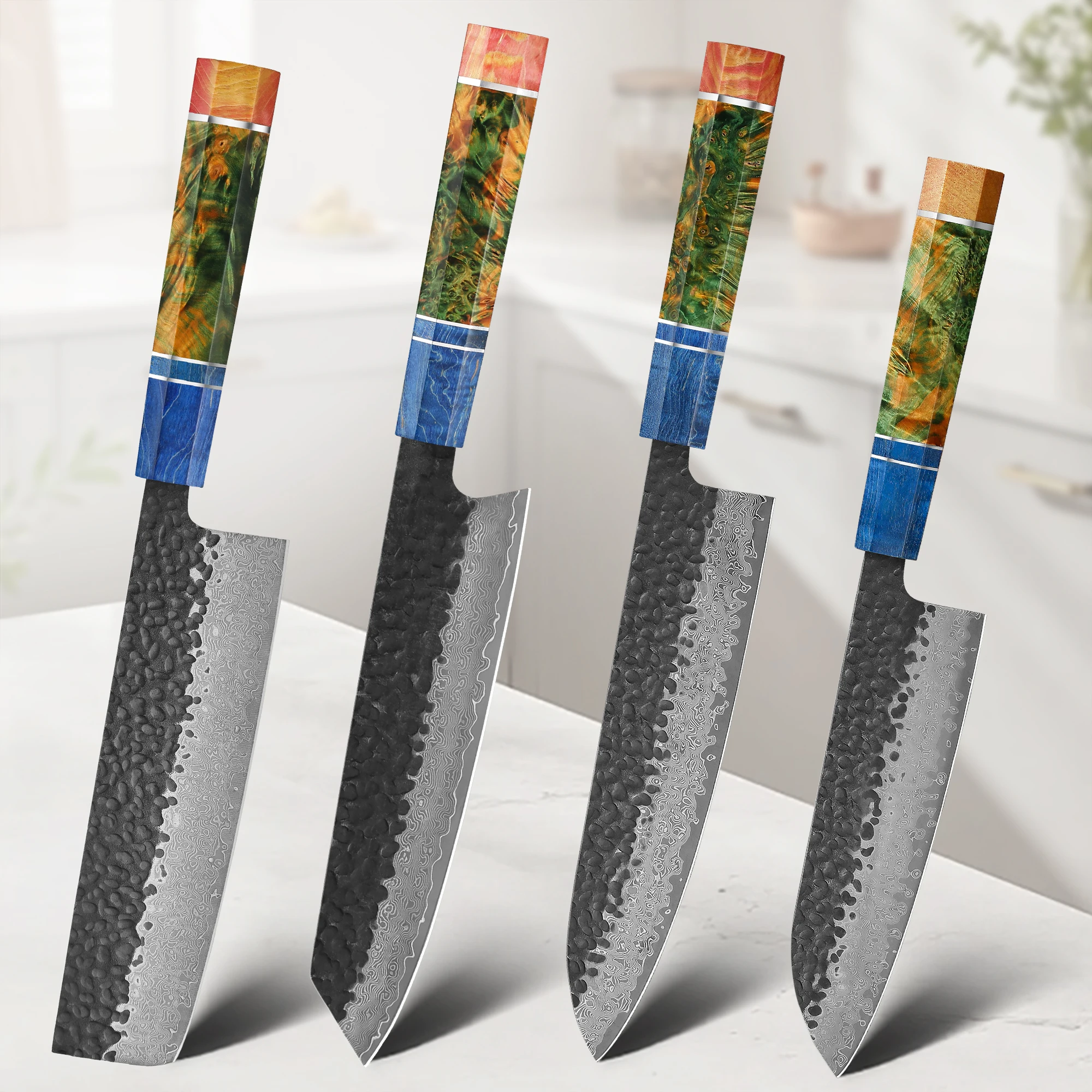

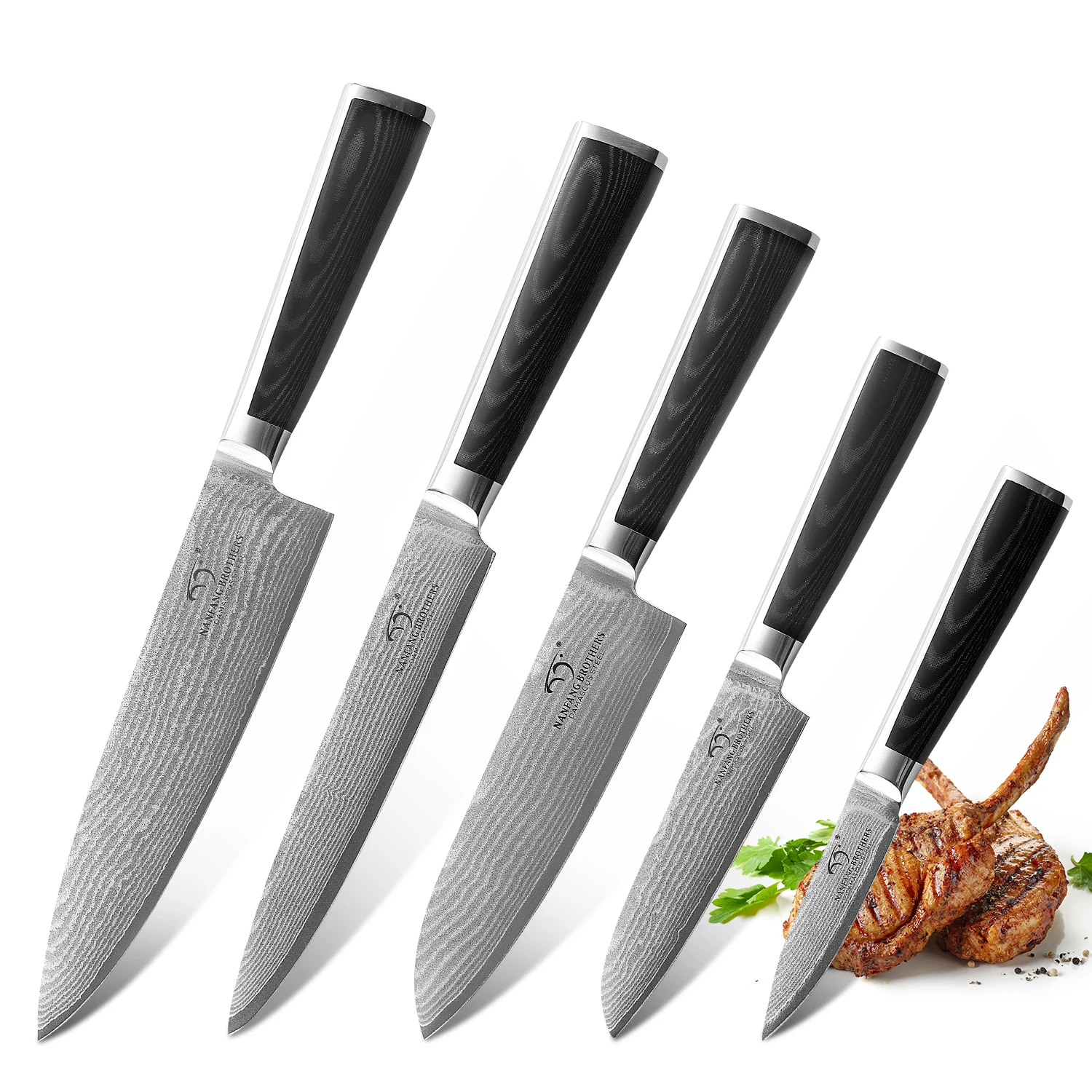
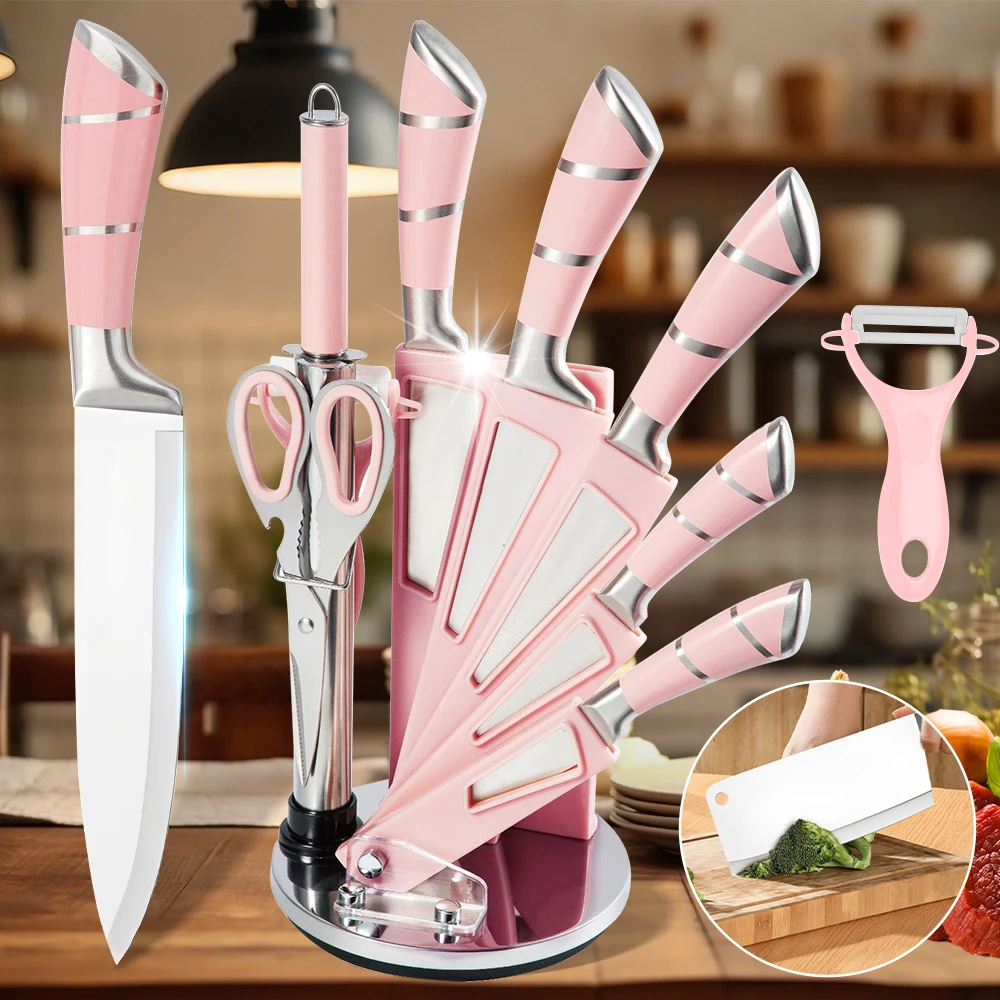

Ready to elevate your kitchen? Explore Goldoma’s full collection of cutlery & knives and find the perfect blade for your culinary adventures.
