
Blog
Best Cutlery & Knives: 6 Top Picks for a Sharper Kitchen
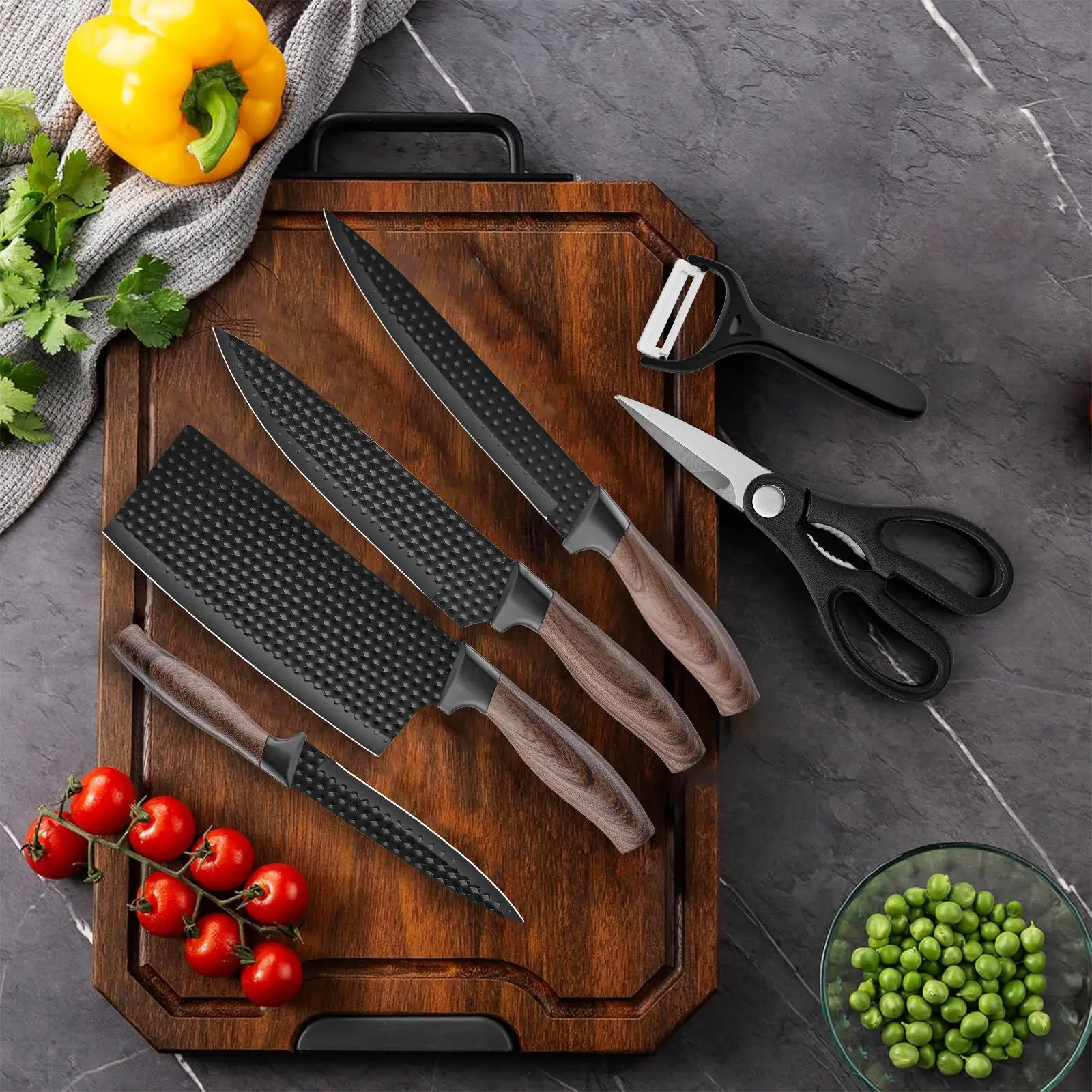
A good knife is the most important tool in your kitchen. It makes prep work faster, safer, and more enjoyable. But with so many options—stainless steel, Damascus, Japanese, Western—choosing the best cutlery & knives can feel overwhelming. At Goldoma, we’ve curated a selection that balances quality, value, and performance. Whether you’re a home cook or a seasoned chef, this guide will help you find the perfect set for your needs.
How to Choose the Best Cutlery & Knives
Start by considering your cooking style. Do you chop vegetables daily, or carve roasts on weekends? A chef’s knife is the workhorse, but a set with multiple blades offers versatility. Think about your grip: Western knives have curved handles for rocking cuts, while Japanese knives are lighter with straighter edges for precise slicing. Also, decide between a set or individual pieces—sets are convenient, but open stock lets you invest in exactly what you need.
Materials Matter: Stainless Steel vs. Damascus
Stainless steel is durable, rust-resistant, and easy to maintain—great for everyday use. High-carbon stainless steel holds an edge longer but requires more care. Damascus steel, known for its beautiful wavy patterns, is made by layering and forging different steels. It’s incredibly sharp and retains edge well, but it’s an investment. VG10 is a premium Japanese steel often used in Damascus knives, offering excellent hardness and corrosion resistance. For handles, look for materials like wood, Micarta, or ABS plastic—each offers different levels of comfort and durability.
Sizes and Styles: Finding Your Perfect Blade
Blade length matters. An 8-inch chef’s knife is the standard all-purpose size. Santoku knives (typically 5–7 inches) are great for slicing, dicing, and mincing. Nakiri knives are perfect for vegetables with their flat, straight edges. Kiritsuke knives combine the best of chef’s and slicer knives, ideal for precision work. Utility knives (4–6 inches) handle smaller tasks, while paring knives (3–4 inches) are for peeling and trimming. A bread knife (serrated) is essential for baked goods. Consider a set that covers these basics, or build your own collection.
Care and Maintenance: Keep Them Sharp
Even the best knives need care. Hand wash and dry immediately—dishwashers can damage handles and dull edges. Use a honing rod regularly to realign the edge, and sharpen with a whetstone or professional service every 6–12 months. Store knives in a block, on a magnetic strip, or with blade guards to prevent damage. Avoid cutting on glass or stone surfaces; wood or plastic cutting boards are gentler on edges. With proper care, a quality knife will last for decades.
Our Top Picks
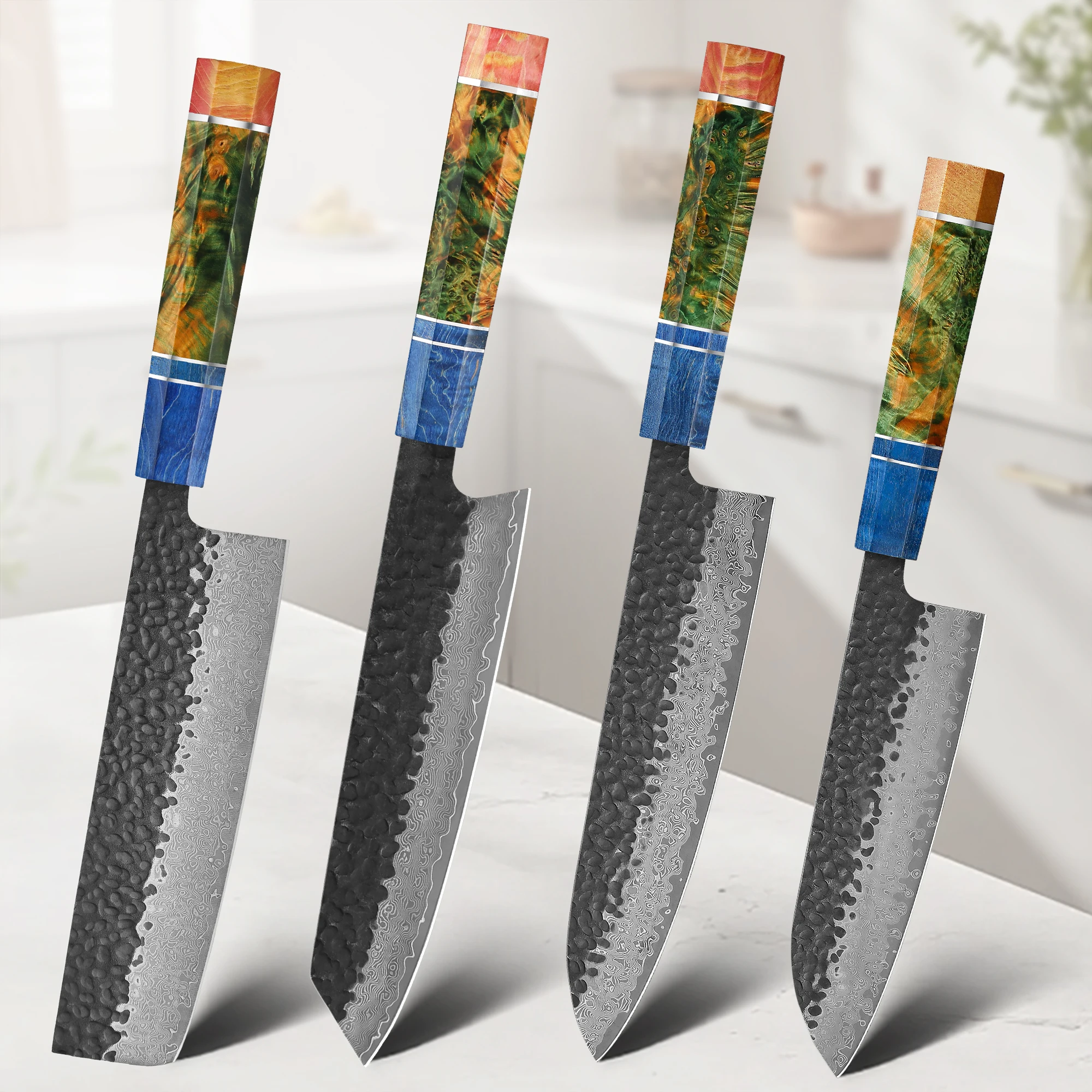

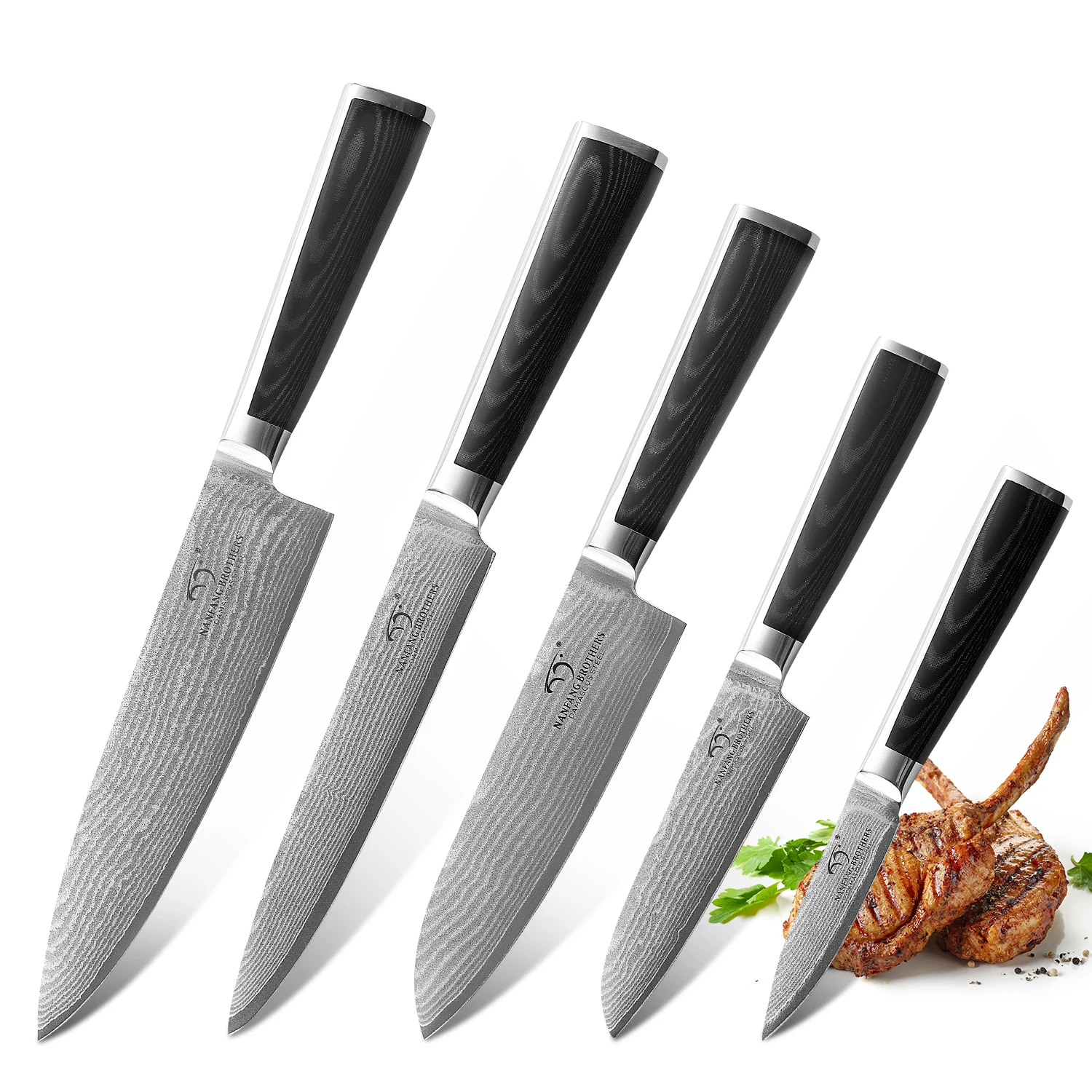
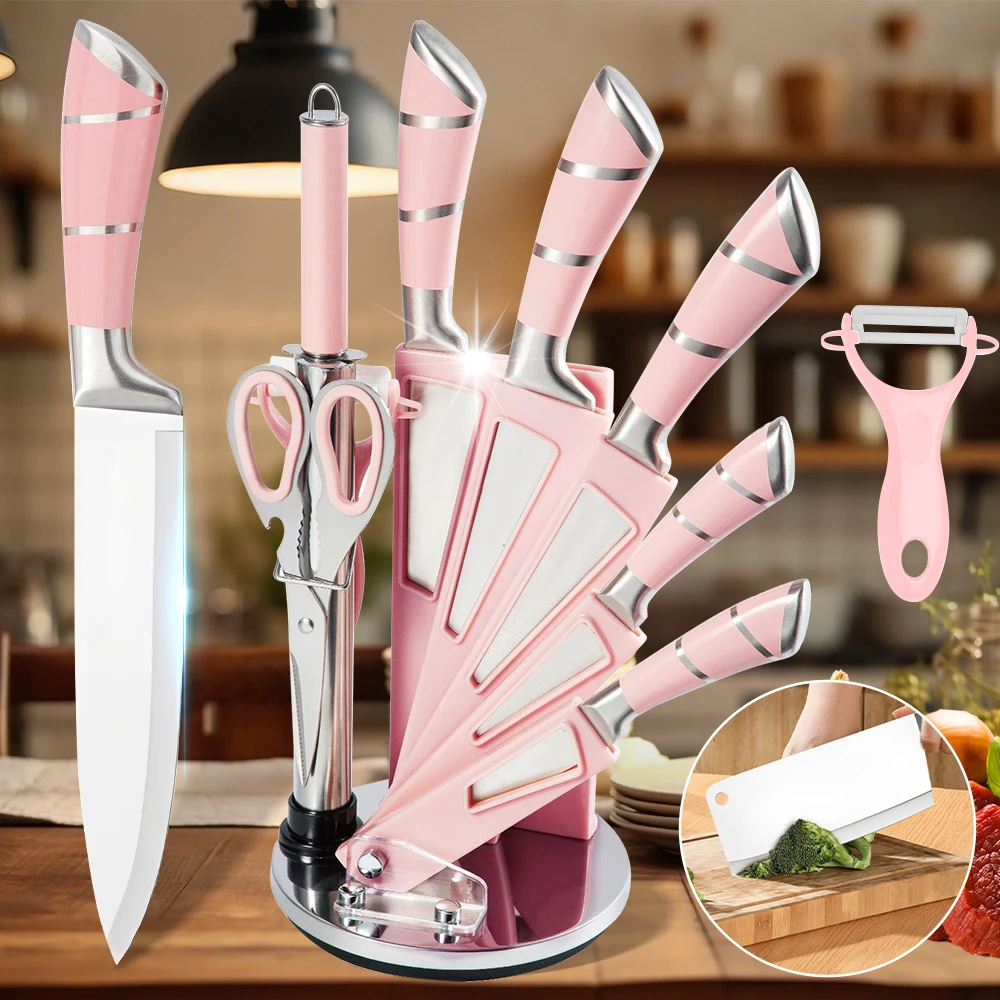

Ready to upgrade your kitchen? Shop Goldoma’s curated collection of cutlery & knives and find your perfect blade today.
