
Blog
The Best Cutlery & Knives for Your Kitchen: Top 6 Picks for Every Home Cook
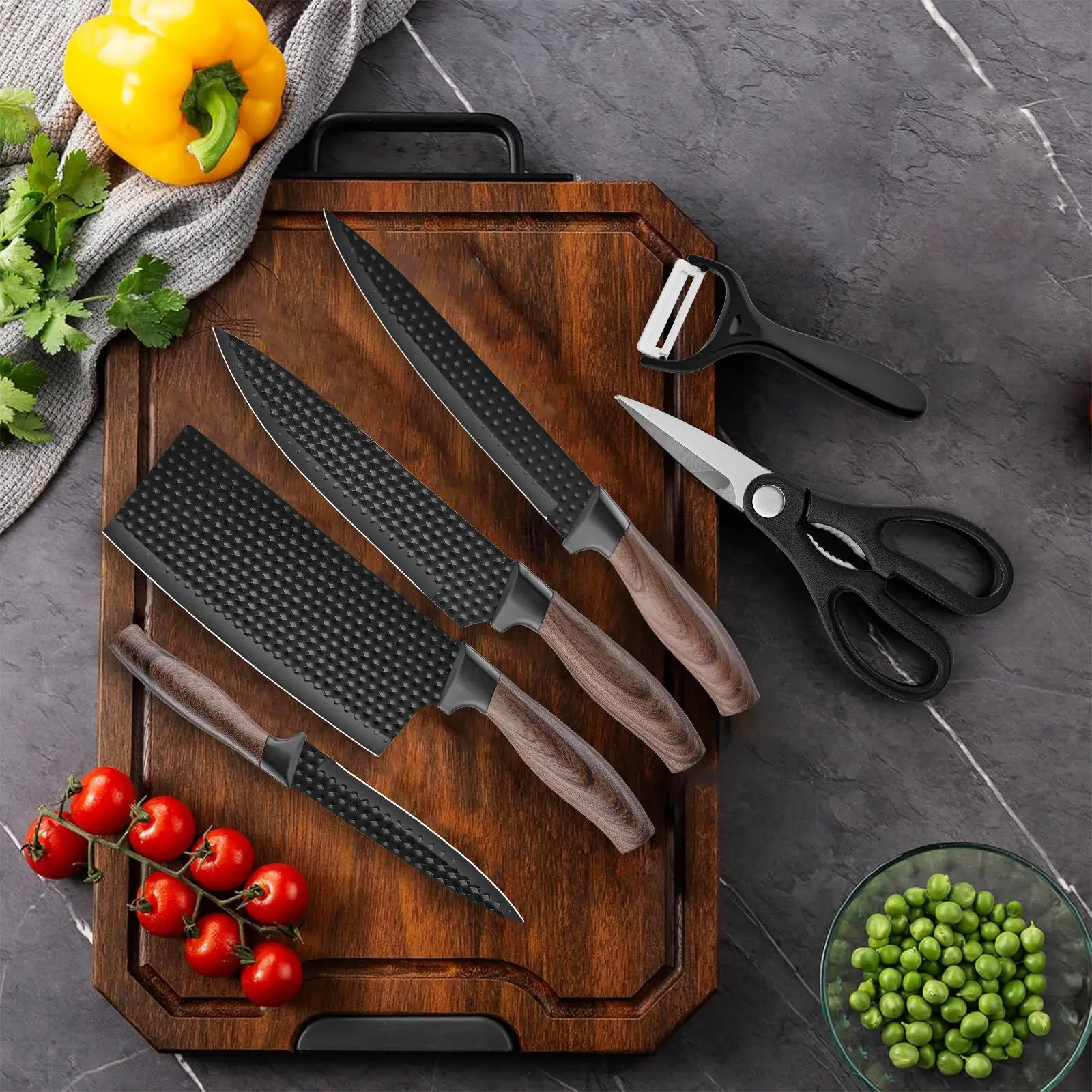
A great knife is the heart of a happy kitchen. Whether you’re slicing vegetables for a weeknight stir-fry or carving a holiday roast, the right cutlery makes cooking safer, faster, and far more enjoyable. At Goldoma, we believe you don’t need a drawer full of blades—just a few well-chosen pieces that feel balanced in your hand and hold their edge. We’ve tested and curated six standout sets and individual knives to suit every style and budget. Let’s find your perfect match.
How to Choose the Best Cutlery & Knives for Your Needs
Start by thinking about how you cook. A busy home chef who chops daily will benefit from a versatile chef’s knife or a comprehensive set, while someone who mainly preps quick meals might prefer a compact santoku or utility knife. Consider your grip and hand size: a knife that feels too heavy or too light can lead to fatigue. Also, think about maintenance—are you willing to hand-wash and hone regularly, or do you prefer low-fuss stainless steel? The best knife is the one you’ll actually use and care for.
Materials Matter: Stainless Steel, Damascus, and Beyond
Most kitchen knives fall into two categories: stainless steel and high-carbon steel (often Damascus). Stainless steel is durable, rust-resistant, and easy to maintain—ideal for everyday use. Look for grades like X50CrMoV15 or VG10 for a good balance of edge retention and corrosion resistance. Damascus steel, with its distinctive wavy pattern, is made by layering and forging different steels, resulting in a hard, sharp edge that stays sharp longer. VG10 core Damascus is a premium choice for enthusiasts. Handles range from ABS plastic (lightweight, affordable) to micarta and stabilized wood (durable, comfortable, and beautiful).
Sizes and Styles: Finding Your Perfect Blade
Blade length and shape dictate a knife’s role. An 8-inch chef’s knife is the workhorse for most tasks. Santoku (5–7 inches) is great for slicing and dicing with a rocking motion. Nakiri is a vegetable specialist with a flat profile. Kiritsuke is a hybrid, combining a flat edge with a pointed tip for precision. Utility knives (4–6 inches) handle smaller jobs, while serrated bread knives and paring knives round out a set. If you’re buying a set, ensure it includes the knives you’ll use most—often a chef’s knife, santoku, utility, and paring. More pieces isn’t always better; quality over quantity.
Care and Maintenance: Keep Your Blades Sharp and Safe
Even the best knives need proper care. Hand-wash with mild soap and dry immediately—dishwashers can dull edges and damage handles. Use a honing rod weekly to realign the edge, and sharpen every few months with a whetstone or professional service. Store knives in a block, on a magnetic strip, or with blade guards to prevent chips and injuries. Avoid cutting on glass, stone, or bamboo; wood or plastic cutting boards are kinder to edges. With a little attention, a quality knife will serve you for decades.
Our Top Picks
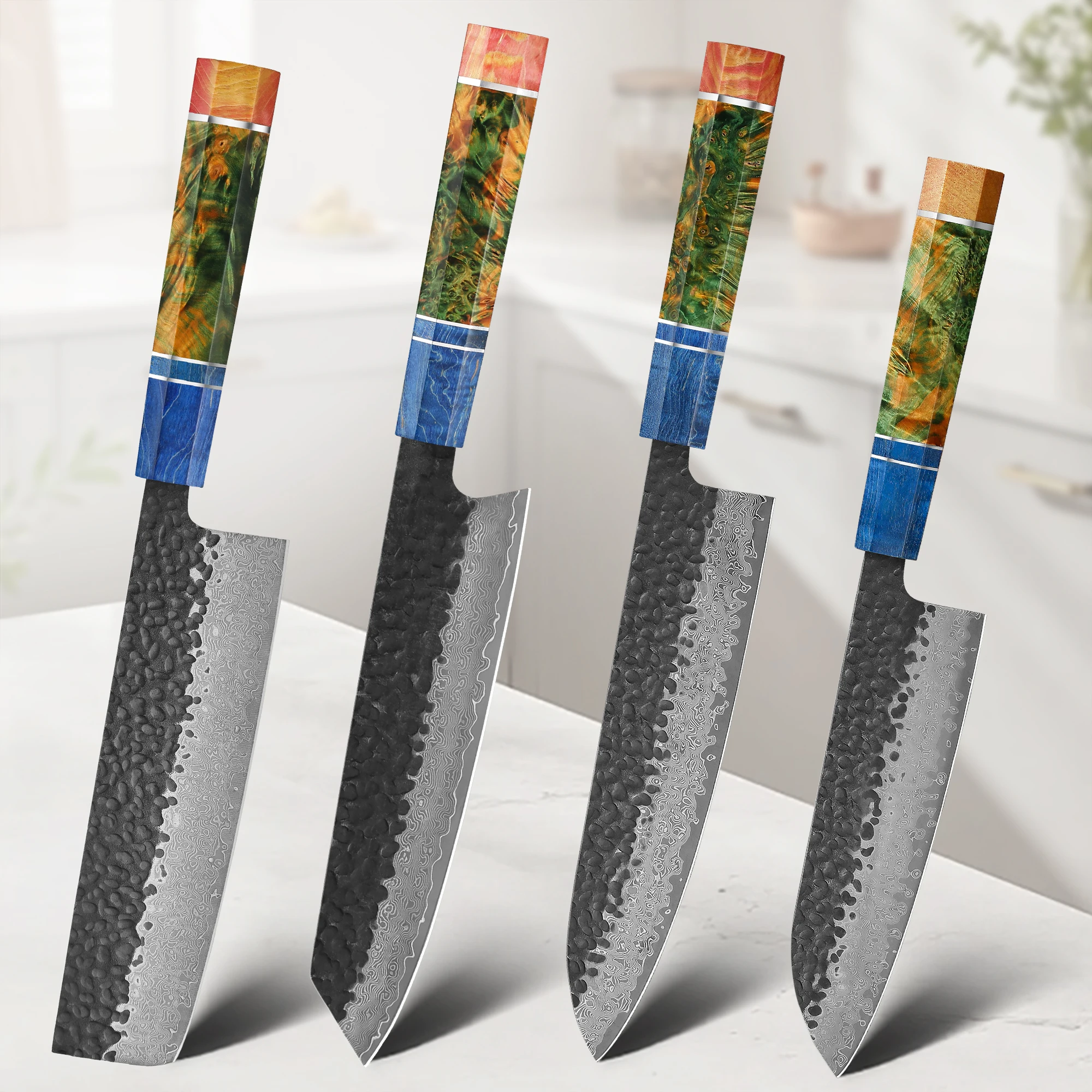

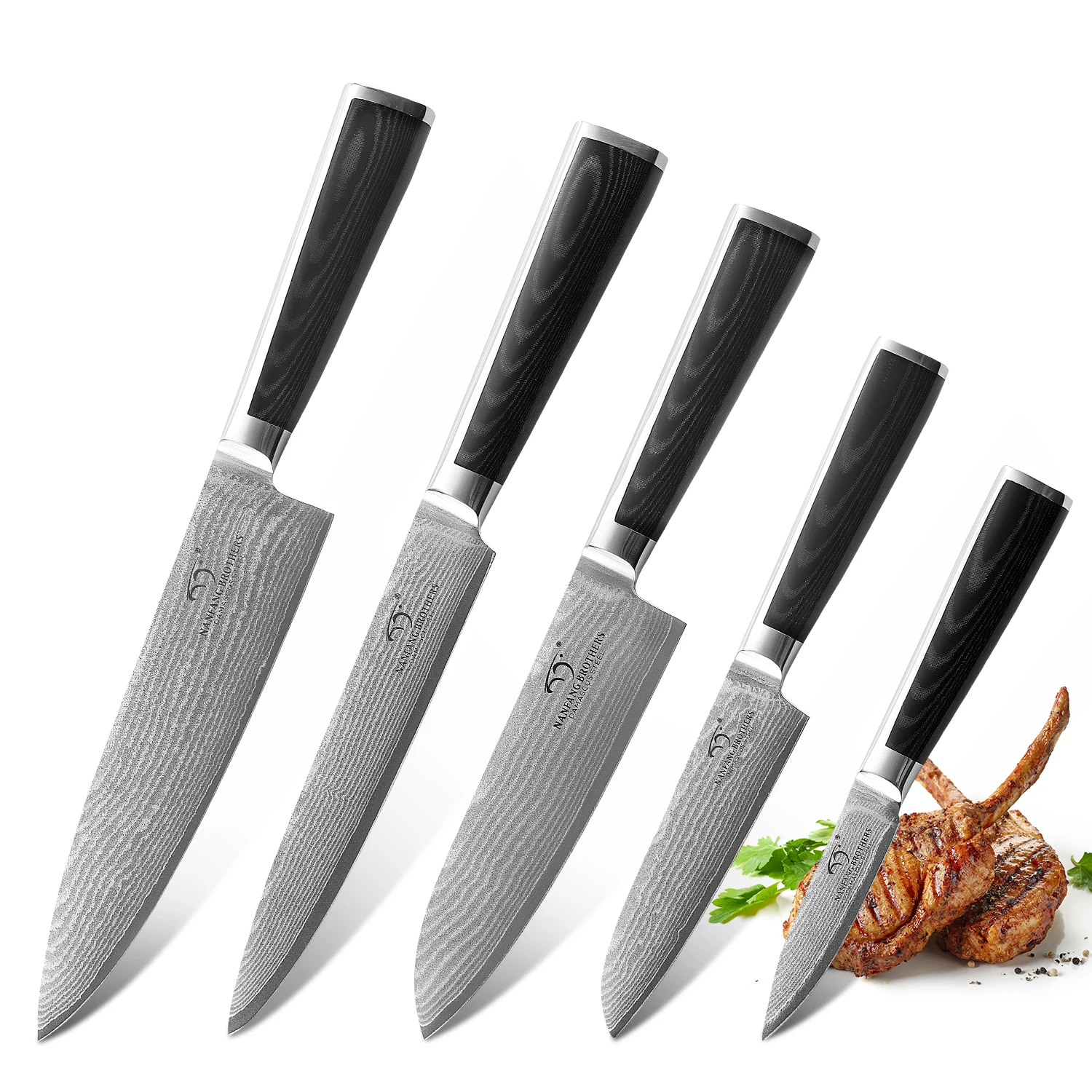
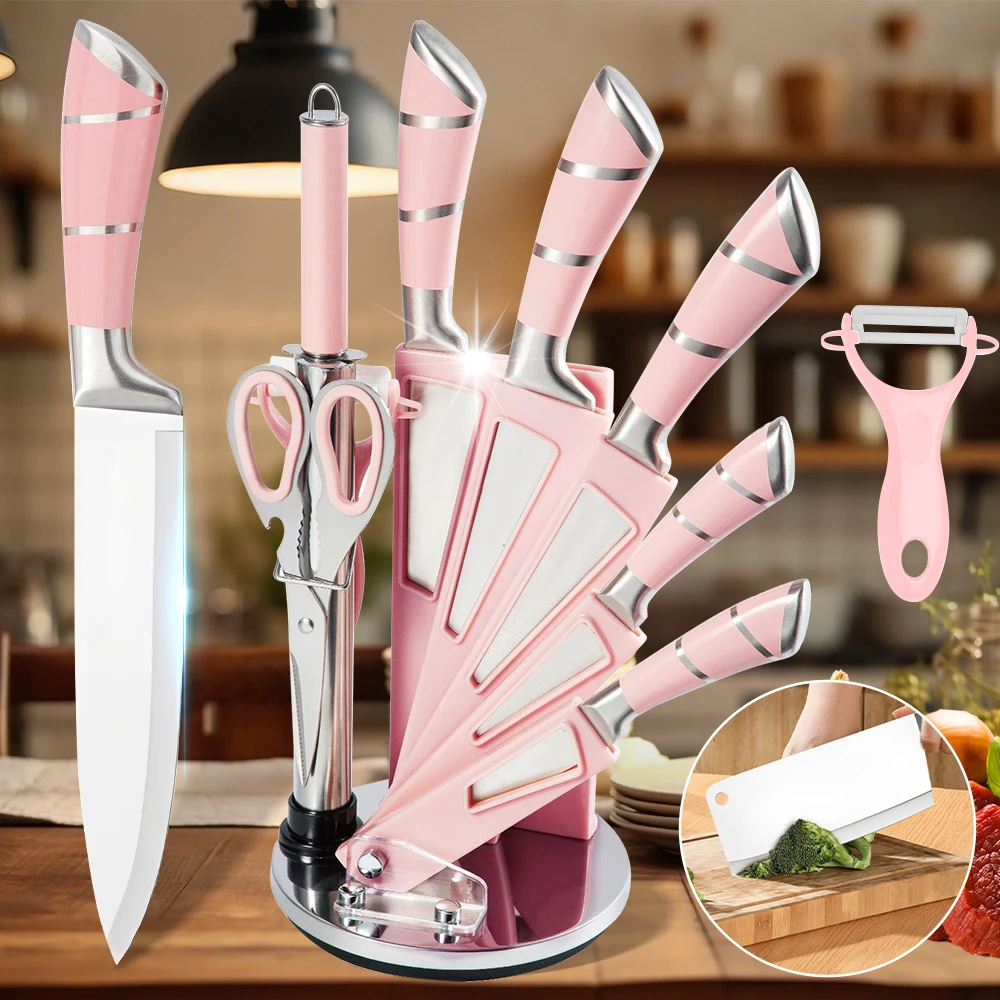

Ready to elevate your kitchen? Explore Goldoma’s full collection of cutlery and knives to find your perfect set today.
