
Blog
The Ultimate Guide to the Best Cutting Boards for Every Kitchen
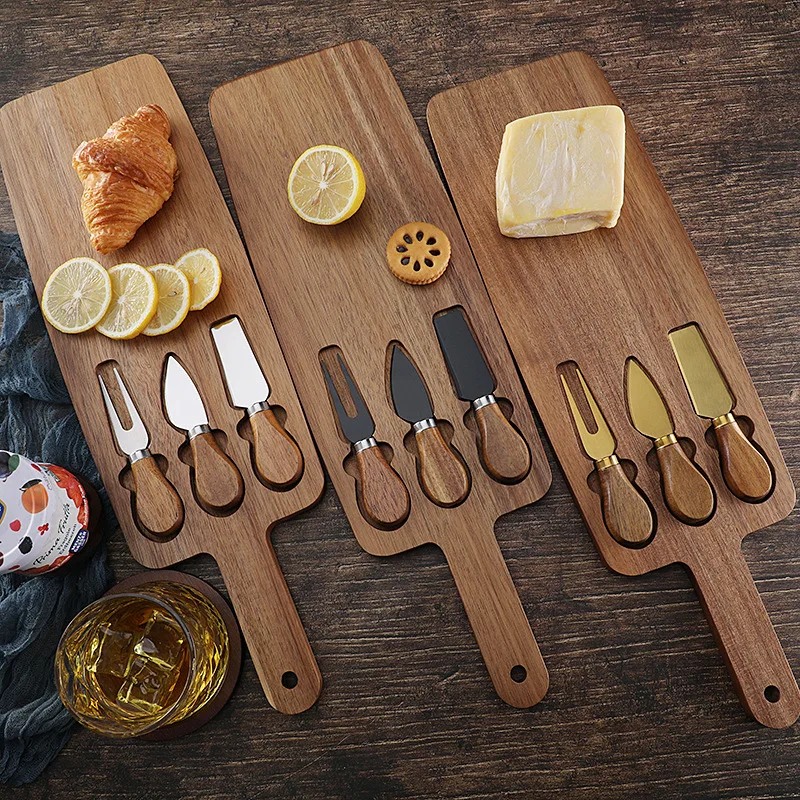
A cutting board is more than a kitchen workhorse—it’s a canvas for your culinary creations, a protector of your countertops, and often a centerpiece for serving. With so many materials and styles, choosing the right one can feel overwhelming. That’s why we’ve curated this guide to help you find the perfect board for your needs, whether you’re a home cook, an outdoor enthusiast, or a host who loves to impress. Let’s chop to it!
How to Choose the Perfect Cutting Board
Selecting the right cutting board involves considering your cooking habits, maintenance preferences, and aesthetic taste. Start by asking: What will I primarily use it for? If you’re a meat lover, you might want a board that’s easy to sanitize. If you’re into charcuterie, a board that doubles as a serving platter is ideal. Think about how much space you have and how much weight you’re comfortable handling. A heavy wooden board is durable but can be cumbersome; a lightweight titanium board is portable but may lack stability. Balance practicality with the joy of using a beautiful tool.
Size and Thickness Matter
Size impacts functionality: a small board (around 12×16 inches) is great for quick tasks, while a large board (20×15 inches or more) provides ample workspace for big meals. Thickness affects durability and longevity. Thin boards (1/4 inch) are lightweight and good for travel, but they may warp or crack over time. Thicker boards (1-1.5 inches) are sturdy, gentle on knives, and can double as serving platters. Consider your storage space: thick boards may not fit in a standard cabinet slot. If you have room, a large, thick board is a luxury worth investing in.
Materials: Wood, Plastic, and Beyond
Wooden boards are classic: they’re durable, knife-friendly, and naturally antibacterial. Hardwoods like acacia, maple, and walnut are top choices. Acacia is water-resistant and sustainable, while walnut is rich and elegant. Wood requires hand-washing and occasional oiling to prevent drying. Plastic boards are dishwasher-safe and come in various colors for separating raw proteins and produce, but they can develop deep knife scars that harbor bacteria. Bamboo is eco-friendly but can be hard on knives. Titanium and stainless steel boards are non-porous, rust-proof, and ultra-light—perfect for camping or modern kitchens, but they can dull knives faster and make a lot of noise. Choose based on your priorities: tradition, convenience, or innovation.
Styles and Special Features
Today’s cutting boards offer more than a flat surface. Juice grooves catch meat juices to keep counters clean. Handles make them easy to carry. Reversible boards offer two surfaces for different tasks. Some boards come with built-in sharpeners, foldable designs for space-saving, or even antimicrobial coatings. For serving, look for boards with elegant shapes and wood finishes. For travel, consider ultra-thin, flexible boards that roll up. Think about your lifestyle: if you’re a host, a large wooden board with a juice groove is a showstopper. If you’re always on the go, a titanium board fits in a backpack. Choose features that enhance your cooking experience.
Caring for Your Cutting Board
Proper care extends the life of your board. Wooden boards should be hand-washed with mild soap and warm water, then dried immediately to prevent warping. Avoid soaking them. Monthly, apply food-grade mineral oil or beeswax to keep the wood hydrated and prevent cracking. Plastic and metal boards can often go in the dishwasher, but check manufacturer instructions. For all boards, avoid exposing them to extreme heat or leaving them in direct sunlight, which can cause damage. With a little TLC, your cutting board will serve you for years.
Our Top Picks
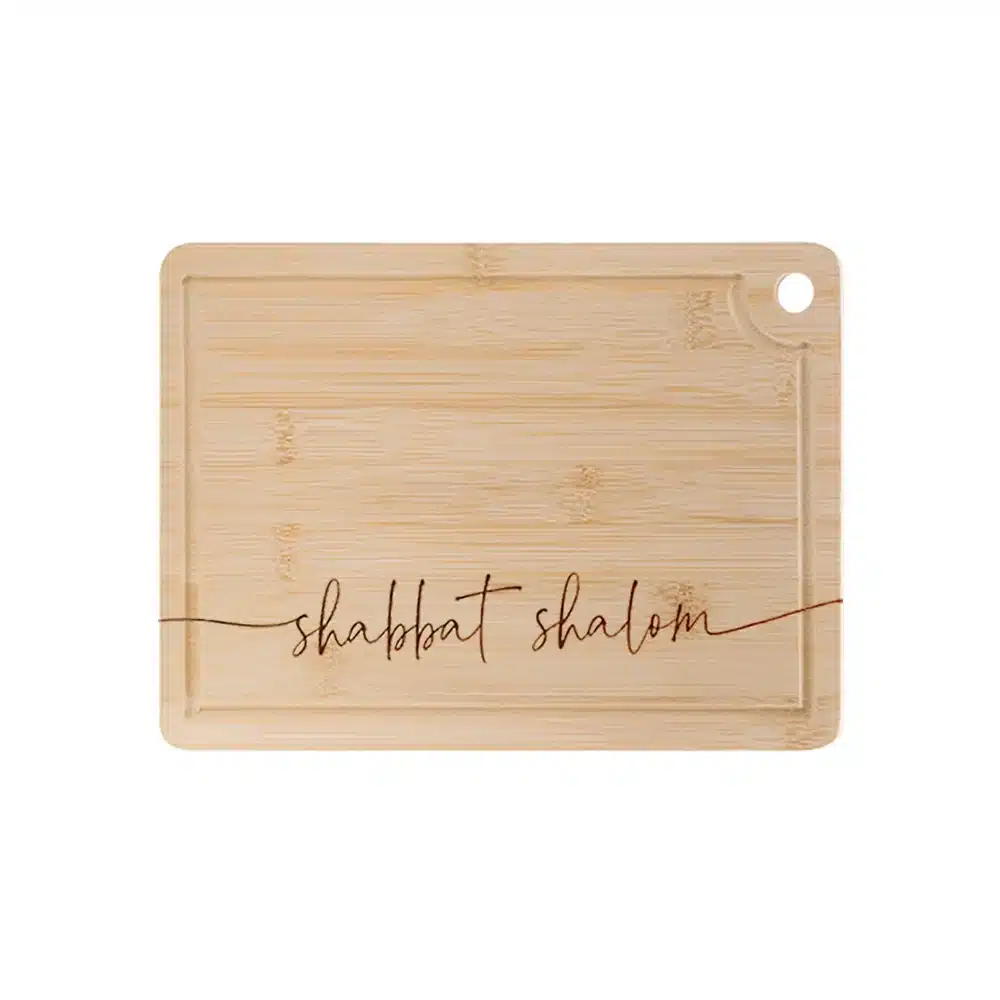

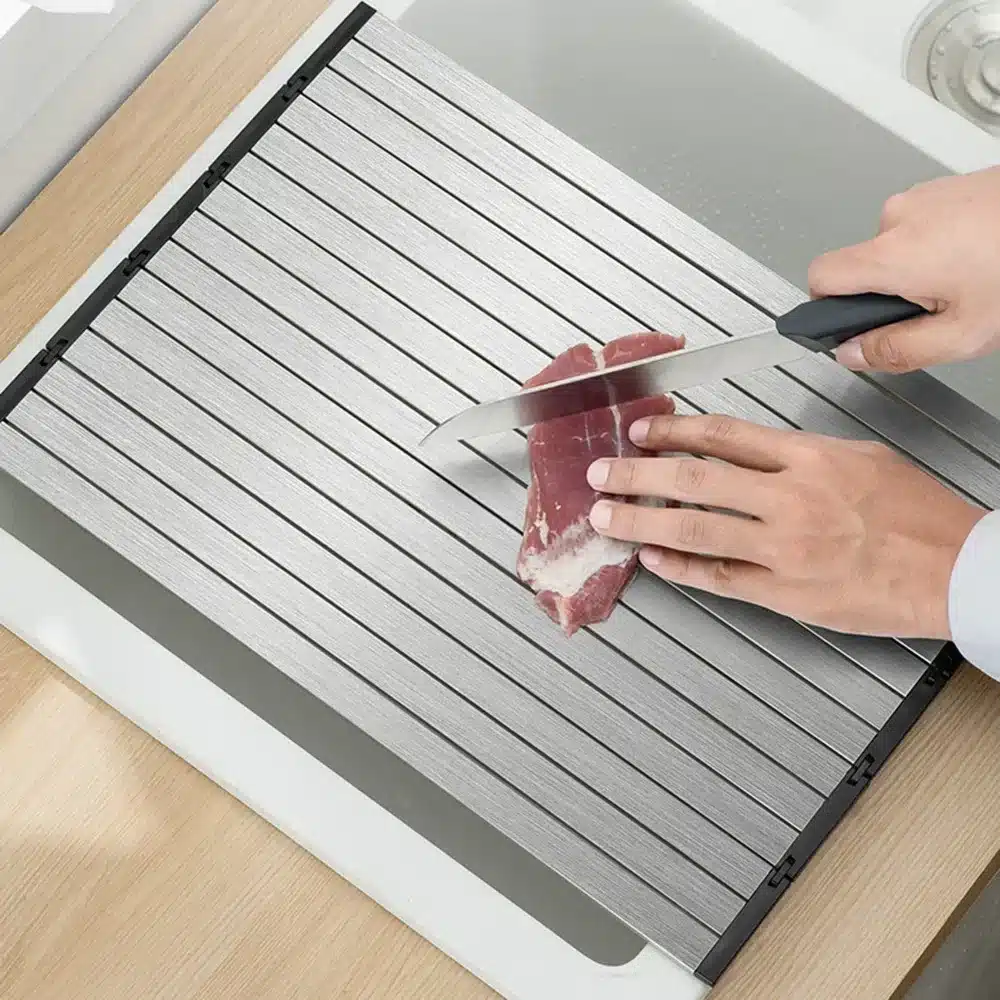


Explore our curated collection of cutting boards at Goldoma and find the perfect one for your kitchen. Shop now!
