
Blog
The Ultimate Guide to the Best Garden Tools for Every Green Thumb
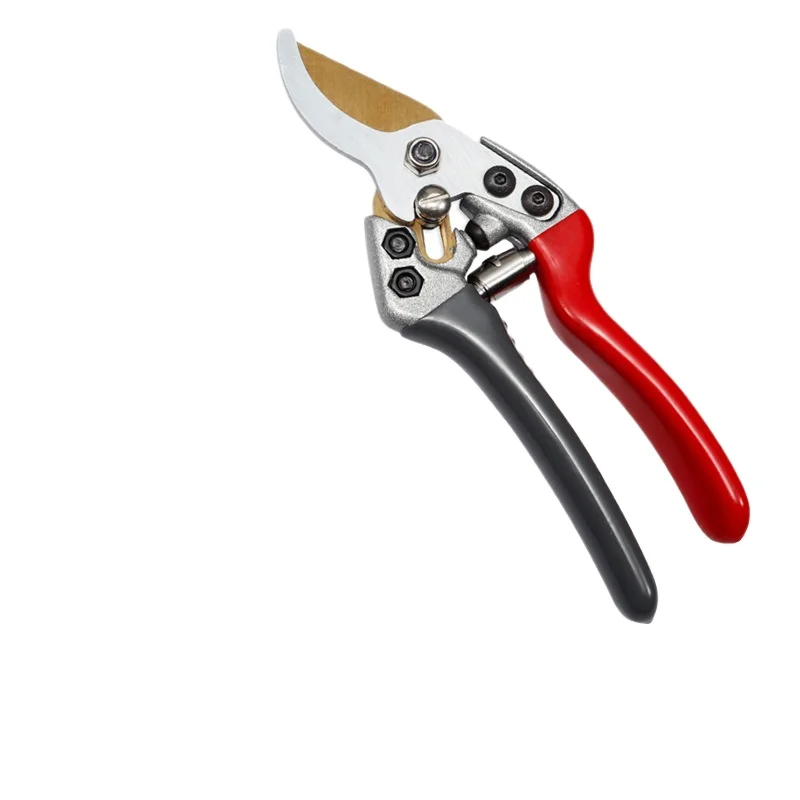
Welcome to Goldoma’s curated guide to the best garden tools. Whether you’re a seasoned gardener or just starting your green journey, having the right tools can transform your outdoor space. We’ve handpicked a selection of high-quality, practical tools that balance performance with comfort. Dive in to find your perfect gardening companions.
How to Choose the Right Garden Tools
Selecting the best garden tools involves considering your specific needs, garden size, and the types of tasks you’ll be performing. Start by assessing your garden: do you have thick shrubs that need pruning, a lawn that requires edging, or soil that needs tilling? Each task calls for a specialized tool. Also, think about your physical strength and comfort—ergonomic handles and lightweight materials can make a big difference. Finally, consider storage and maintenance; tools that are easy to clean and store will last longer.
Understanding Sizes and Types
Garden tools come in various sizes and types, each designed for specific tasks. For pruning, bypass pruners are great for live branches, while anvil pruners suit dead wood. Loppers extend your reach for thicker branches. For lawn care, manual edgers offer precision, while string trimmers cover larger areas. When it comes to digging, spades and shovels vary in blade shape and size; a pointed shovel is versatile, while a trenching shovel is ideal for narrow ditches. Consider the scale of your garden to choose the right tool sizes—compact tools for small spaces, full-size for larger plots.
Materials and Durability
The materials used in garden tools determine their durability and performance. Stainless steel is rust-resistant and holds a sharp edge, making it ideal for blades. Carbon steel is tough but requires oiling to prevent rust. Handles are commonly made of wood, fiberglass, or aluminum. Wood offers a classic feel but can splinter, while fiberglass is durable and shock-absorbent, and aluminum is lightweight and rust-proof. For power tools, look for brushless motors for efficiency and longer battery life. Always check for quality construction, such as solid welds and secure handle fittings.
Styles and Ergonomics
Ergonomic design is key to preventing strain during long gardening sessions. Look for tools with cushioned, non-slip grips that fit comfortably in your hand. Adjustable handles or telescopic poles can accommodate different heights. For pruning and cutting, safety locks are a must to prevent accidents. Some tools feature spring mechanisms that reduce hand fatigue. For power tools, consider weight and balance; a well-balanced saw or trimmer reduces arm strain. Also, consider the style of your garden—if you prefer traditional aesthetics, wooden handles might appeal, while modern gardens may benefit from sleek, contemporary designs.
Caring for Your Tools
Proper maintenance extends the life of your garden tools. After each use, remove dirt and debris, and wipe blades with a cloth. Sharpen cutting edges regularly with a file or sharpening stone. Oil metal parts to prevent rust, and treat wooden handles with linseed oil to keep them smooth. Store tools in a dry place, preferably hanging or in a rack to avoid damage. For power tools, keep batteries charged and store them in a cool, dry location. Follow the manufacturer’s instructions for cleaning and servicing. With regular care, your tools will serve you for many seasons.
Our Top Picks
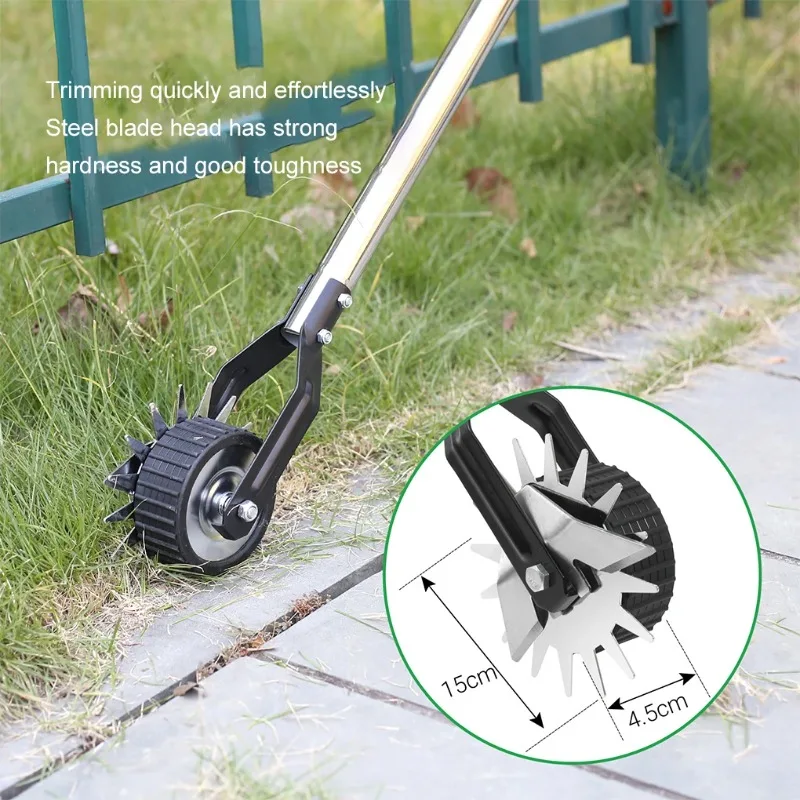
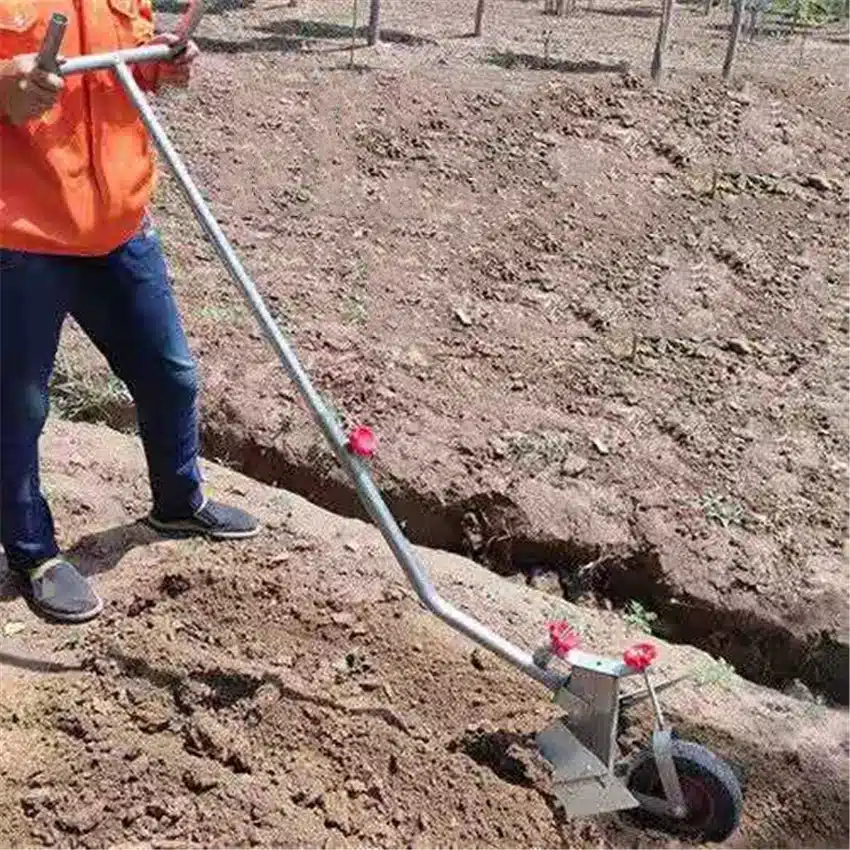
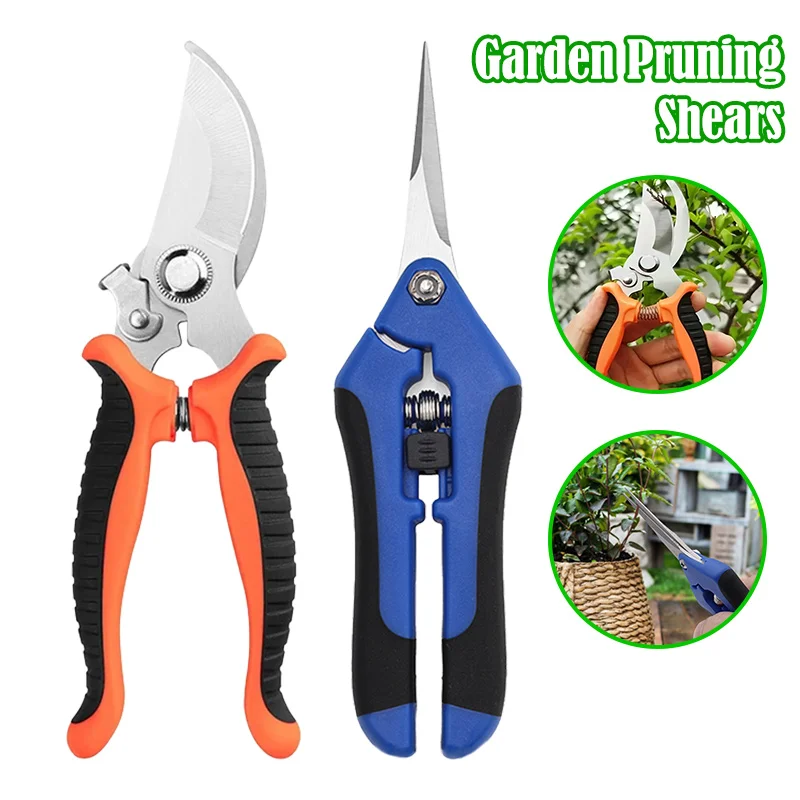
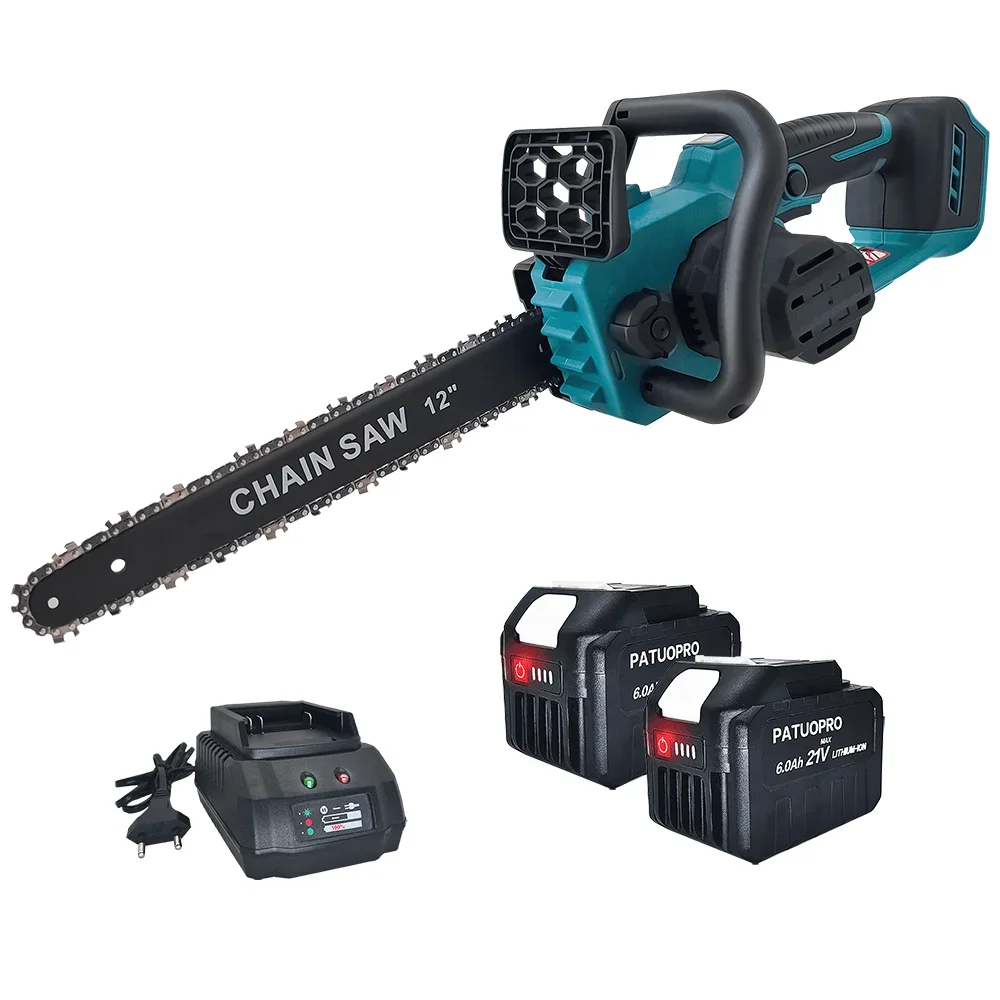
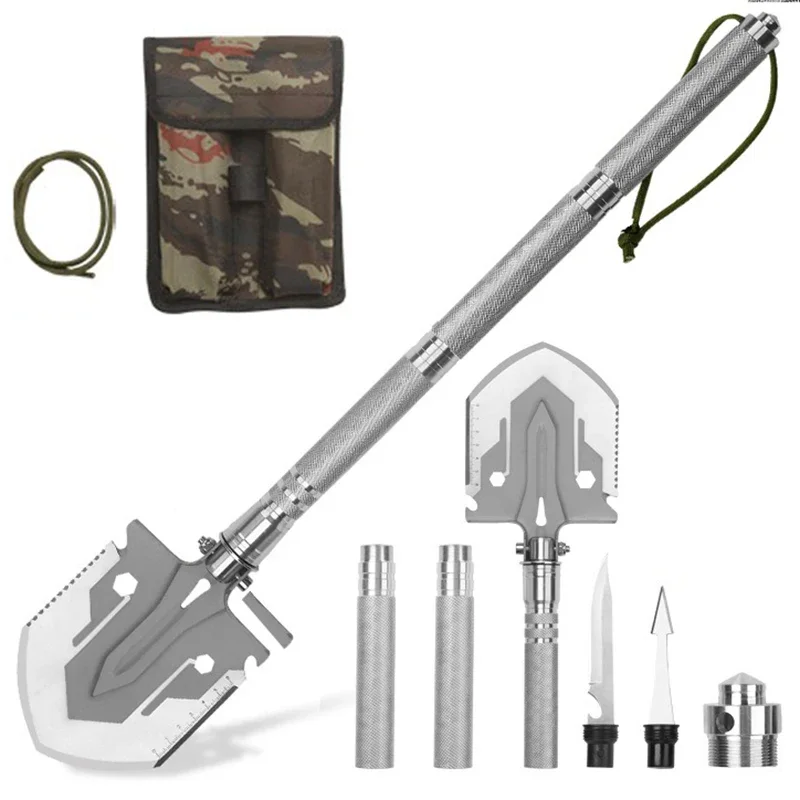
Ready to elevate your gardening game? Explore our full collection of garden tools and find the perfect match for your needs.
