
Blog
The Best Garden Tools for Every Green Thumb: Our Top 6 Picks
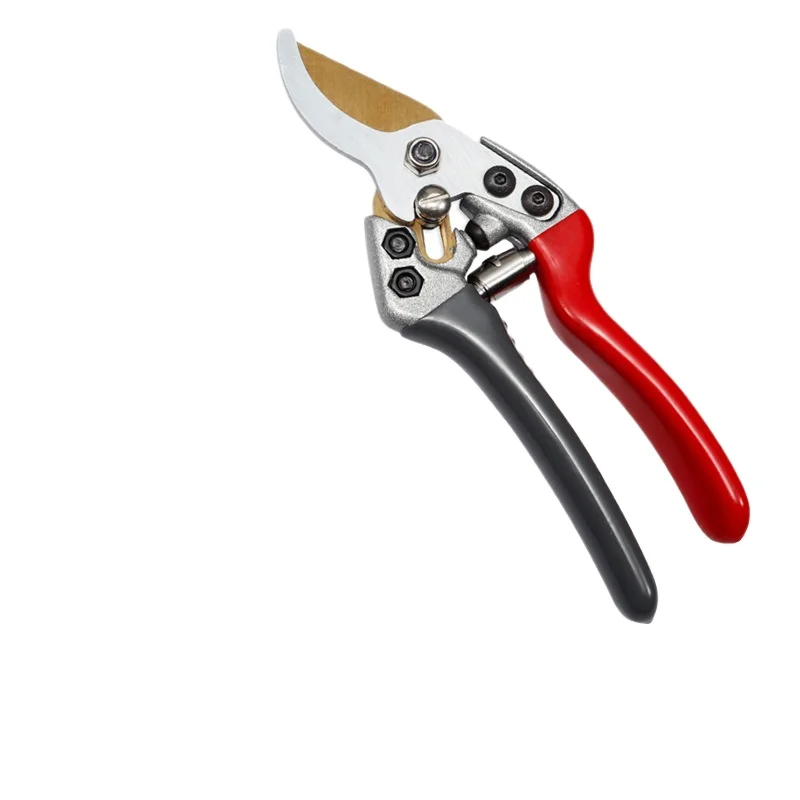
A well-kept garden is a joy, but the right tools make all the difference. Whether you’re a seasoned horticulturist or just starting out, having reliable, comfortable, and durable garden tools can turn tedious chores into satisfying rituals. At Goldoma, we’ve curated a selection of garden tools that blend practicality with premium quality. In this guide, we’ll walk you through what to look for and share our top six picks to help you cultivate your outdoor space with ease.
How to Choose the Best Garden Tools for Your Needs
Before you invest, consider the tasks you’ll tackle most often. Are you pruning overgrown shrubs, maintaining a pristine lawn, or preparing soil for planting? Different tools excel at different jobs, so start by listing your regular gardening activities. Also think about your physical comfort: ergonomic handles, lightweight materials, and proper size can reduce strain and make gardening more enjoyable. Finally, consider storage space and your budget. A few well-chosen, high-quality tools will outperform a shed full of cheap ones.
Materials and Construction: What to Look For
The longevity of your garden tools depends largely on their materials. For cutting tools, look for high-carbon steel or stainless steel blades—they hold an edge longer and resist rust. Handles should be made from ash, hickory, or fiberglass for strength and shock absorption; rubberized grips add comfort. For pruners and shears, forged aluminum or steel bodies are durable yet lightweight. If you’re considering cordless electric tools, brushless motors offer more power, longer runtime, and less maintenance than brushed motors. Always check for weather-resistant coatings on metal parts to prevent corrosion.
Sizing and Ergonomics: Fit Matters
Tools that are too heavy or too long can cause fatigue and even injury. Pruners should fit comfortably in your hand—if the handles are too far apart, you’ll struggle to grip them. For long-handled tools like shovels or ploughs, consider your height: a handle that’s too short forces you to stoop, while one that’s too long reduces leverage. Adjustable or folding designs can be handy for those with limited storage. If you have arthritis or weak grip, look for ratcheting mechanisms or padded handles. Remember, you’ll be using these tools repeatedly, so test them out if possible or choose from brands known for ergonomic design.
Styles and Types: Matching Tools to Tasks
Garden tools come in many styles, each suited to specific jobs. Pruning shears (secateurs) are essential for cutting branches up to thumb thickness; bypass pruners give clean cuts on green wood, while anvil pruners crush dry wood. For lawn edges, manual trimmers with sharp blades offer precision without the noise of power tools. Hand ploughs or cultivators are perfect for furrowing and tilling small plots. A folding shovel is a versatile camping and garden companion. And for heavier cutting, a cordless electric saw can handle branches and DIY projects. Choose tools that match your most frequent tasks, and don’t be afraid to invest in a multi-purpose set if you’re tight on space.
Care and Maintenance: Keep Them Sharp and Rust-Free
Proper care extends the life of your garden tools. After each use, wipe blades and metal parts with a dry cloth to remove sap and dirt. For stubborn residue, use a little rubbing alcohol or a mild solvent. Sharpen cutting tools regularly with a file or sharpening stone—dull blades require more force and can damage plants. Apply a light coat of oil (such as camellia or machine oil) to metal surfaces to prevent rust. Wooden handles can be treated with linseed oil annually to prevent cracking. Store tools in a dry place, ideally hanging them up to avoid moisture buildup. Battery-powered tools should be charged according to the manufacturer’s instructions and stored indoors.
Our Top Picks
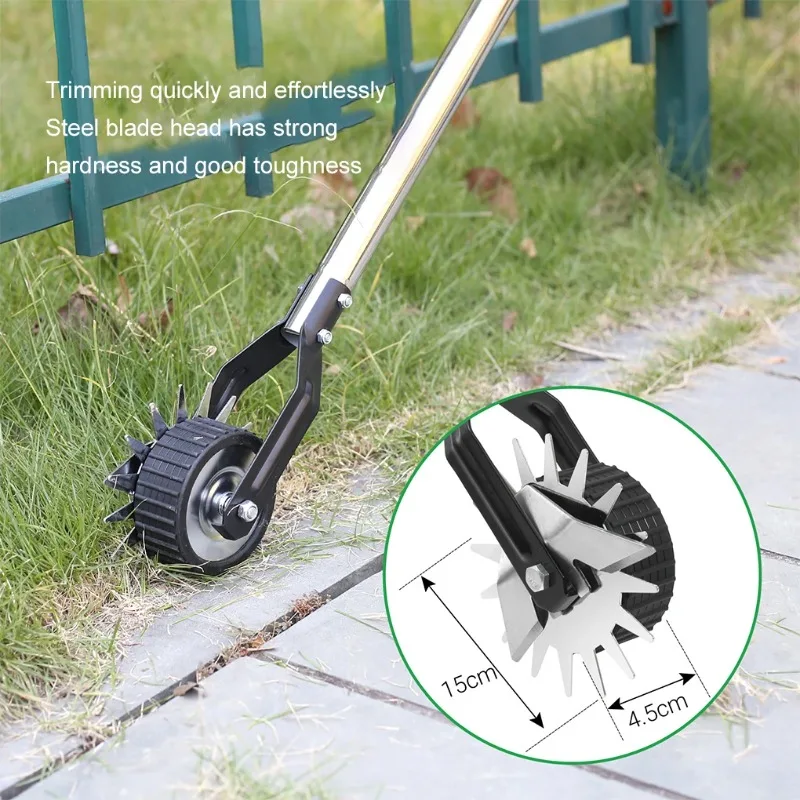
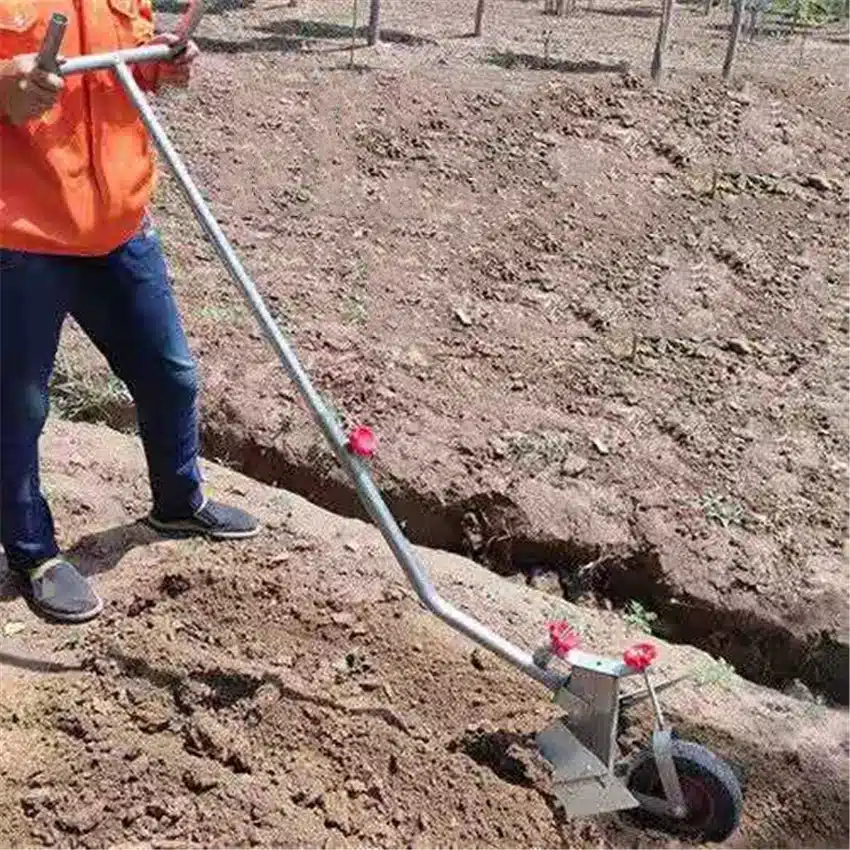
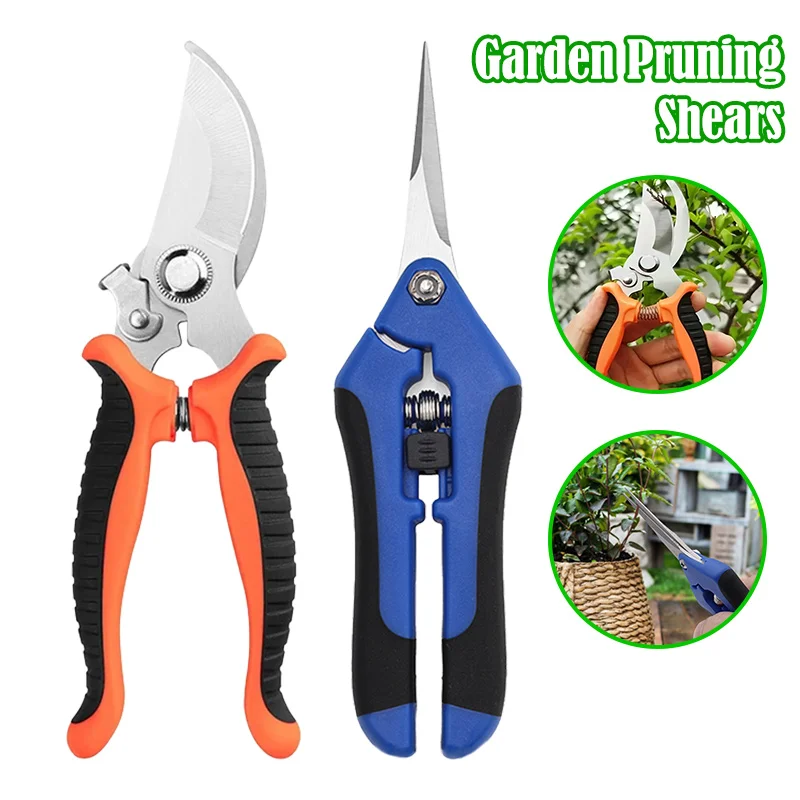
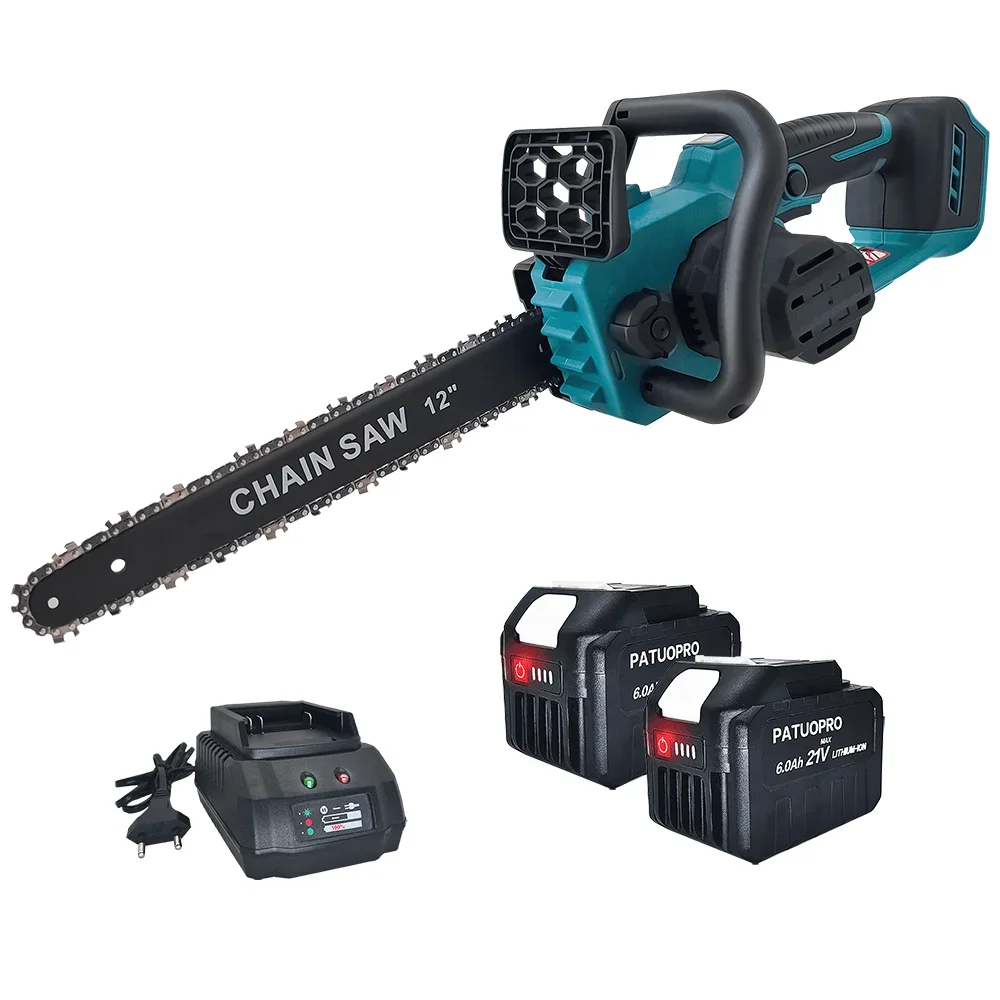
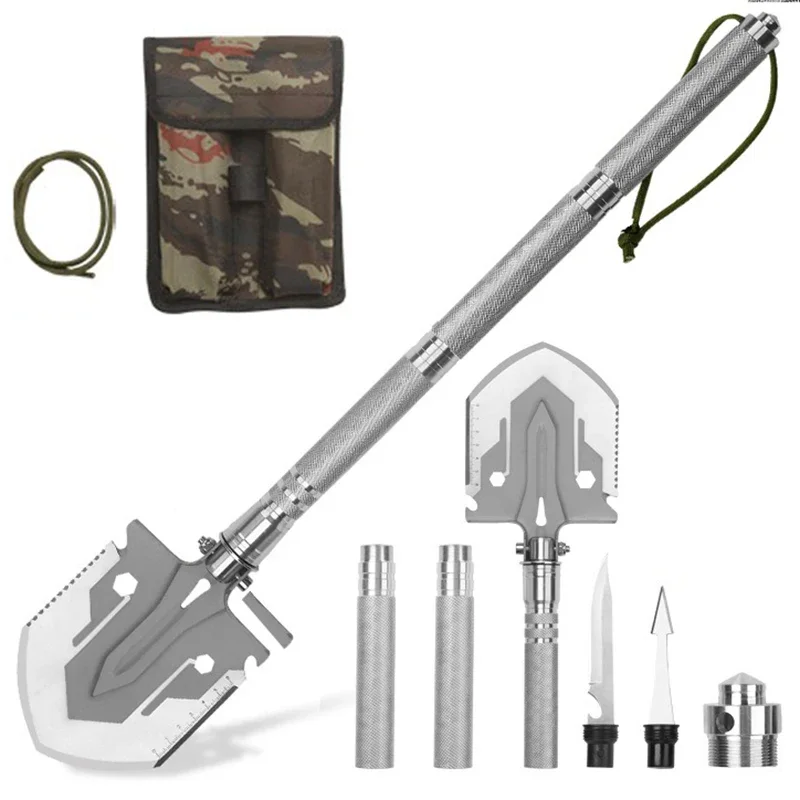
Ready to upgrade your garden toolkit? Explore these and more at Goldoma.com and cultivate your best garden yet.
