
Blog
The Best Hammocks & Swings for Every Outdoor Space
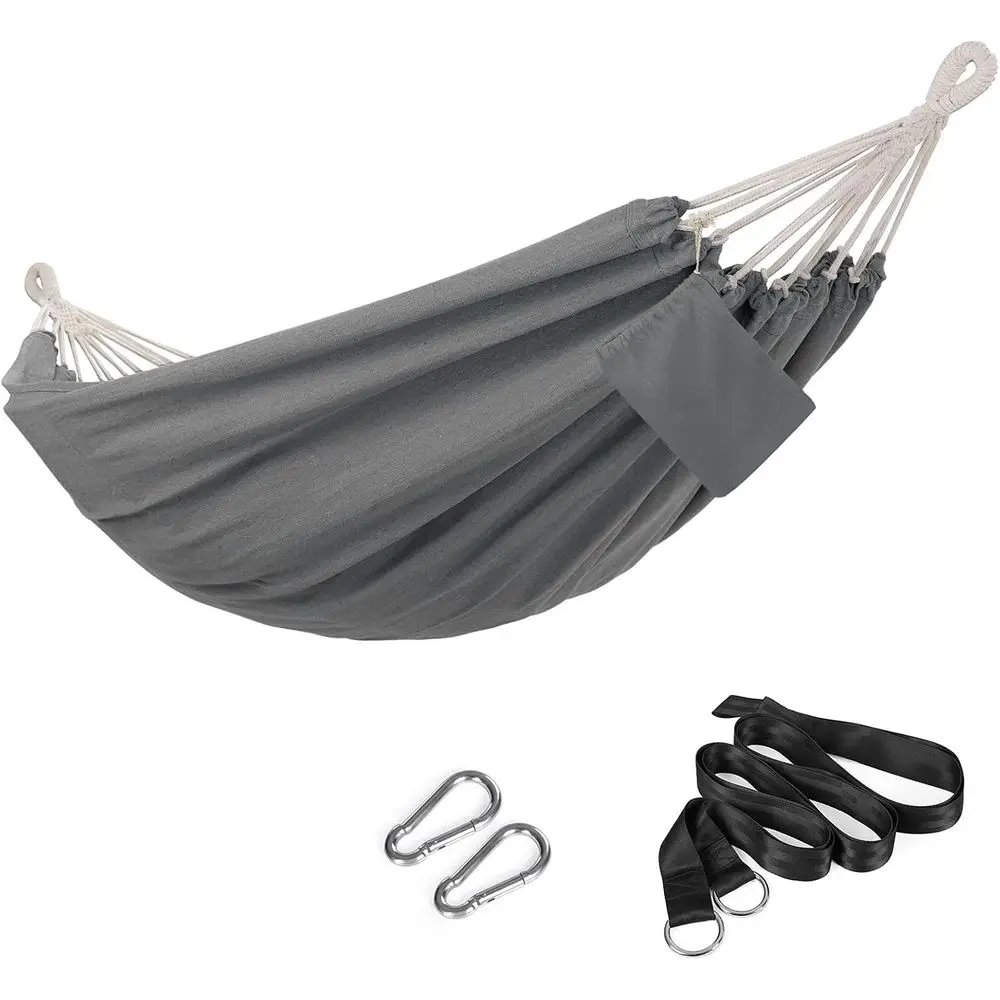
There’s nothing quite like the gentle sway of a hammock to melt away the day’s stress. Whether you’re looking to create a cozy reading nook in your garden, a fun spot for the kids, or a lightweight companion for your next camping trip, the right hammock can transform any space into a personal retreat. But with so many styles, materials, and features to choose from, finding the perfect one can feel overwhelming. That’s where we come in. We’ve curated a selection of the finest hammocks and swings to suit every need and taste, from luxurious Brazilian cotton to rugged parachute nylon. Read on to discover our top picks and expert buying advice.
How to Choose the Perfect Hammock
Selecting the right hammock goes beyond just picking a color you like. Start by considering where and how you’ll use it. Will it be a permanent fixture in your backyard, hanging from a sturdy stand or between two trees? Or do you need a portable option for camping and travel? For home use, think about the available space and the look you want to achieve. For travel, weight and packability become key factors.
Next, consider capacity. Hammocks come in single, double, and even family sizes. If you plan to share your hammock with a partner, a double is essential. Always check the weight capacity to ensure it can safely hold the intended users. A capacity of at least 250-300 kg offers plenty of margin for comfort and safety.
Understanding Sizes and Capacities
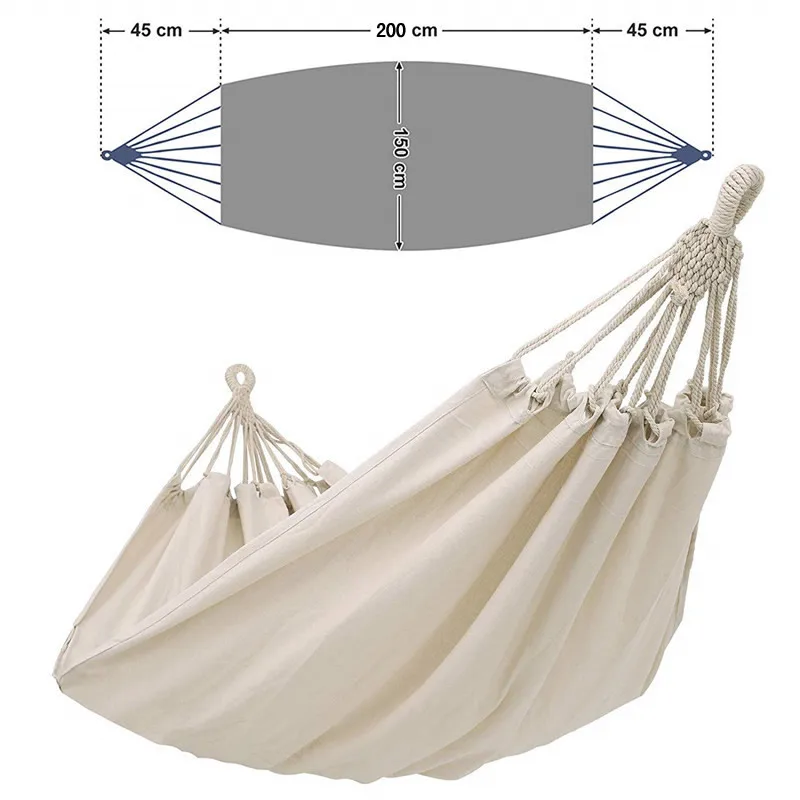
Hammock dimensions directly affect your comfort. A standard single hammock (approx. 260-280 cm in length) is great for one person, while a double hammock (typically 300 cm or more) provides ample room for two. For lounging with kids or pets, an extra-wide model is a blessing. Remember that the length of the hammock fabric (not the overall length with ropes) determines how flat you can lie. A longer hammock allows for a diagonal lie, which is the most comfortable position for sleeping.
Weight capacity is equally important. While most adults will be fine with a 150-200 kg capacity, opting for a higher rating (like 300 kg) ensures durability and peace of mind, especially if you plan to use it frequently or with multiple people.
Choosing the Right Material
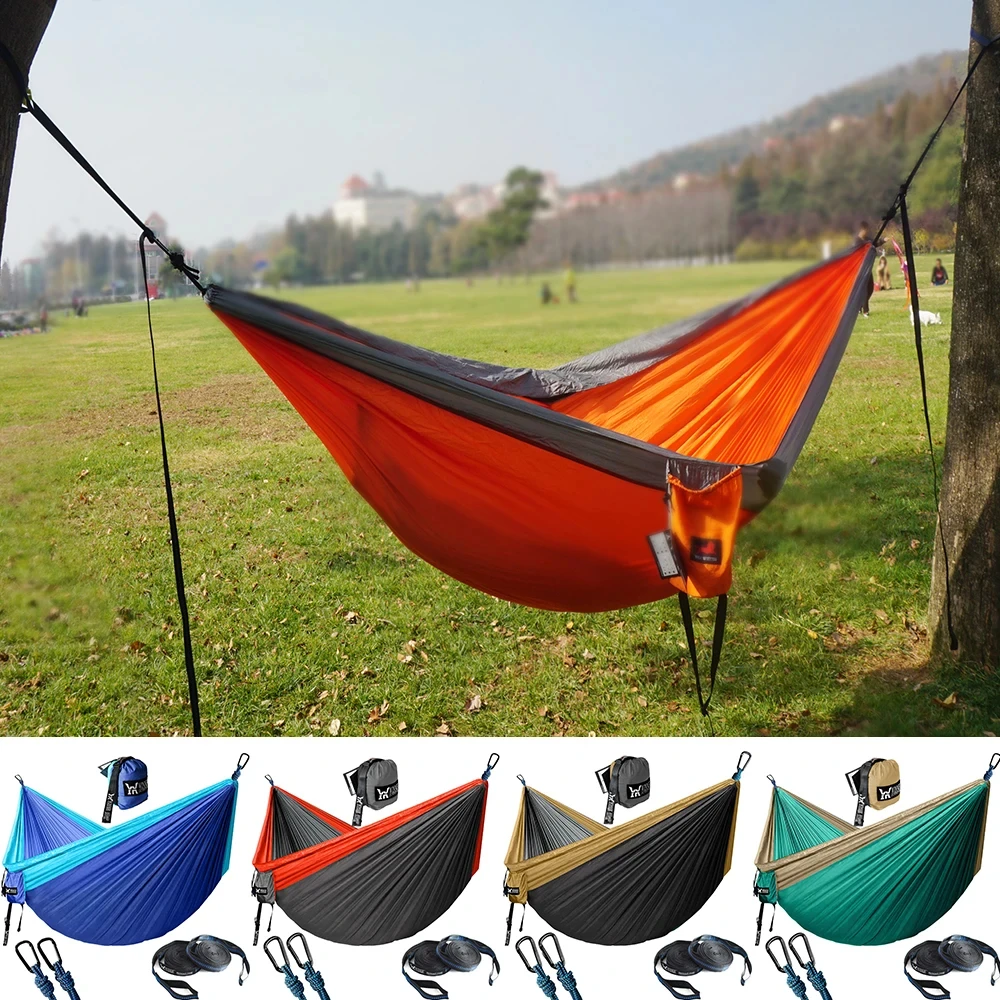
The material of your hammock influences comfort, durability, and maintenance. Cotton hammocks are soft, breathable, and get more comfortable with age. They are perfect for gentle rocking and lounging, but they are not water-resistant and can take longer to dry. Canvas cotton is thicker and more durable, offering a sturdy feel. For outdoor use where rain or moisture is a concern, synthetic materials like parachute nylon are excellent choices. They are lightweight, quick-drying, and resistant to mildew, making them ideal for camping and travel.
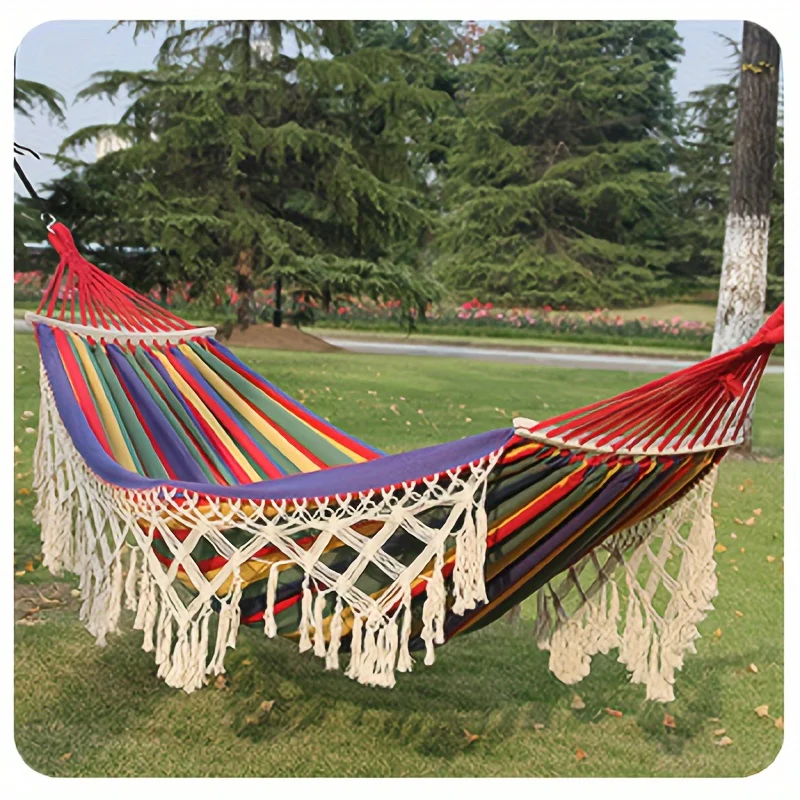
If you’re looking for a balance, consider a cotton-polyester blend. It offers the softness of cotton with the durability and quick-drying properties of synthetics. For a touch of bohemian flair, look for hammocks with tassels or fringe, which add a decorative element but require a bit more care to keep them looking their best.
Styles and Stands
Hammocks come in various styles, from classic rope and woven designs to fabric hammocks with spreader bars. Rope hammocks are timeless and allow for good airflow, but they can leave imprints on your skin. Fabric hammocks, on the other hand, provide a smooth, cradle-like support that many find more comfortable for long periods. Spreader-bar hammocks are easier to get in and out of and offer a more open feel, but they are less stable for sleeping.
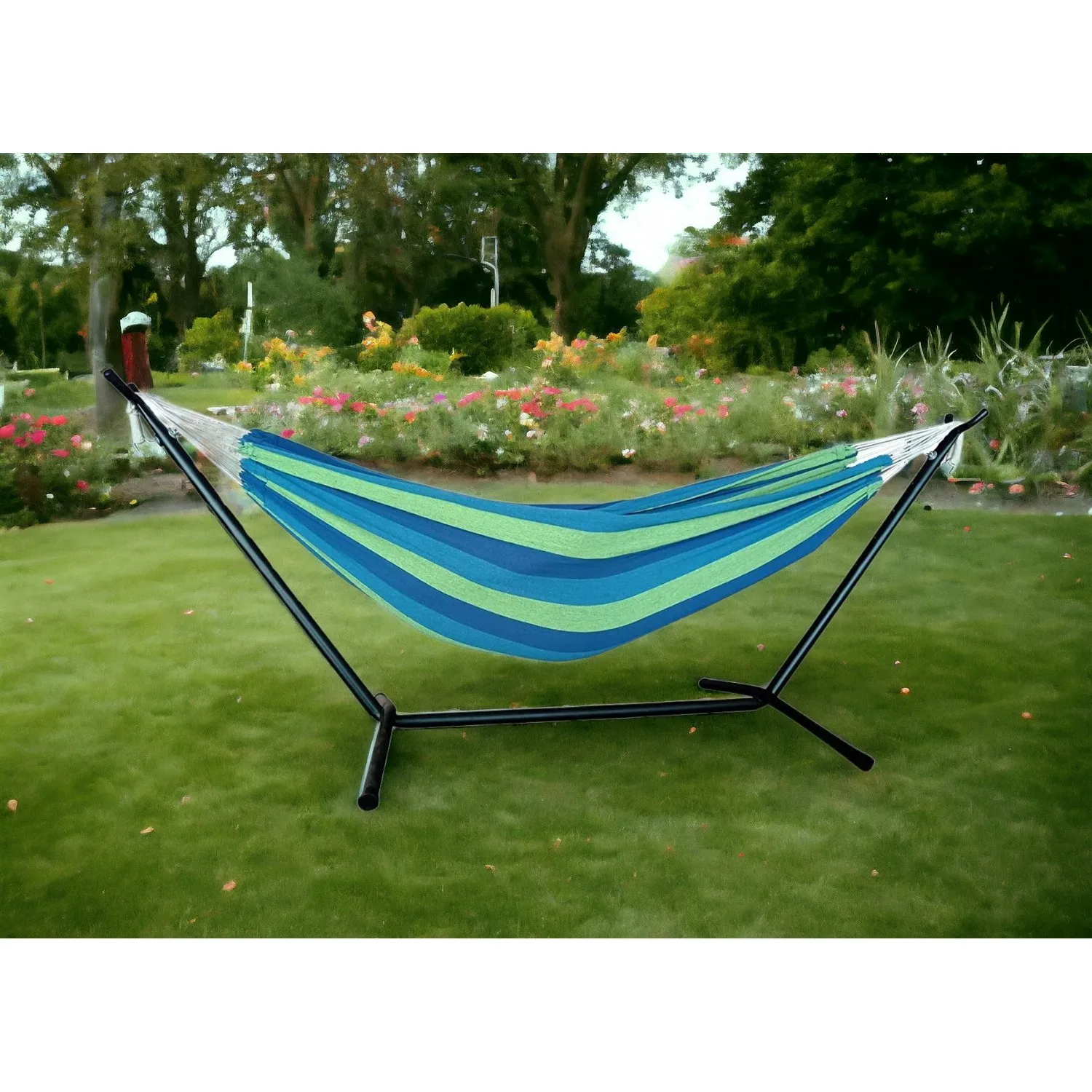
If you don’t have two sturdy trees or posts, consider a hammock with a stand. Stands come in various materials like steel or wood and are available in both portable and permanent designs. Some stands are designed specifically for camping and fold up for easy transport. When choosing a stand, ensure it’s compatible with the length and style of your hammock.
Caring for Your Hammock
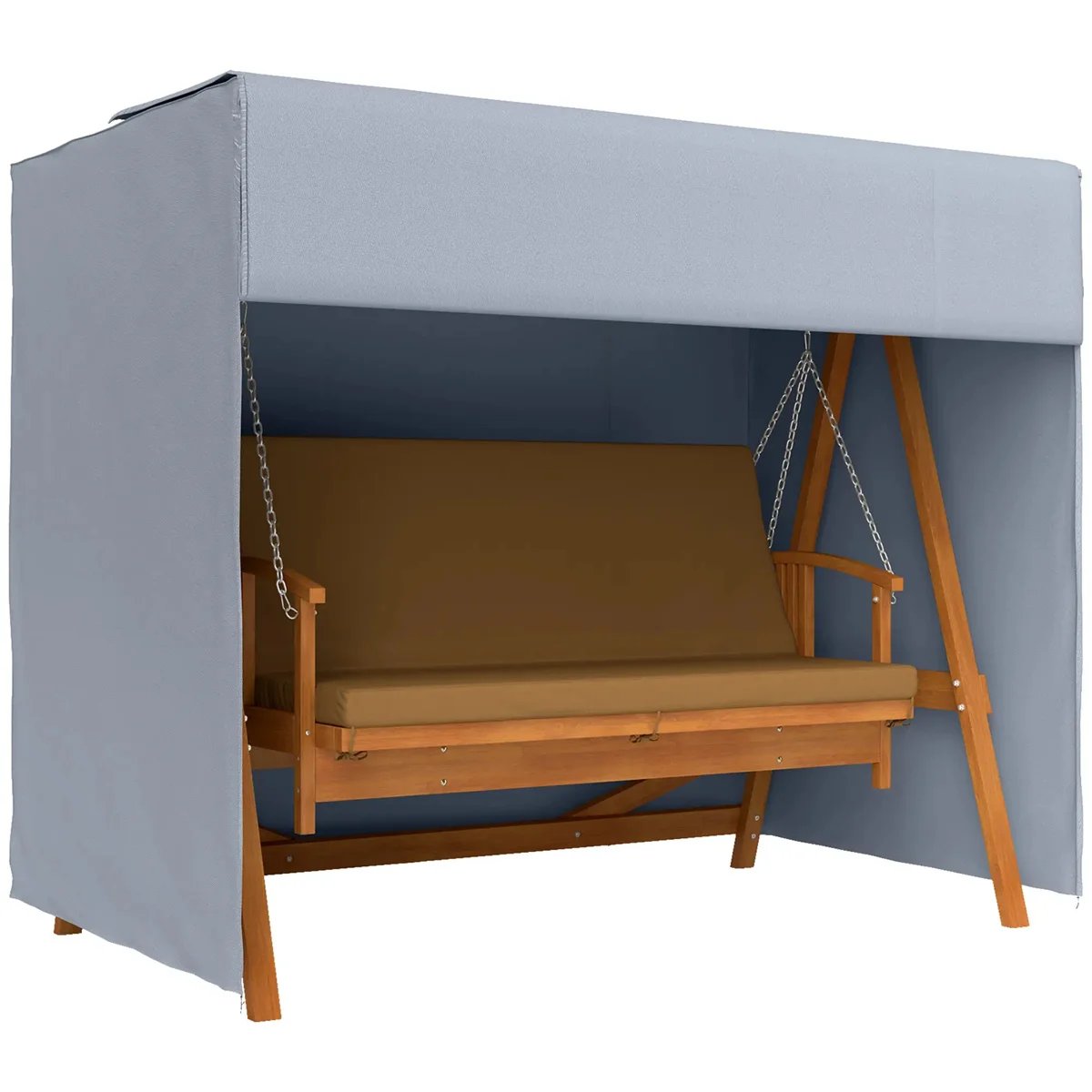
Proper care will extend the life of your hammock. Most fabric hammocks can be hand-washed or machine-washed on a gentle cycle with mild detergent. Always check the manufacturer’s instructions. Avoid leaving cotton hammocks out in the rain, as they can mildew. If your hammock gets wet, dry it thoroughly before storing. For outdoor hammocks, consider using a protective cover when not in use. When not in use for extended periods, store your hammock in a dry, cool place. By following these simple steps, your hammock will provide years of relaxation.
Our Top Picks
Ready to find your perfect hammock? Shop our curated collection today and start relaxing in style.
