
Blog
Choosing the Best Kitchen Knives for Everyday Cooking
Kitchen Essentials
Find Your Best Kitchen Knives for Effortless Cooking
Looking for the best kitchen knives can feel overwhelming, but with the right knowledge, you can build a set that makes every meal prep enjoyable.
Why the Best Kitchen Knives Matter
A good knife is the most used tool in your kitchen. The best kitchen knives make chopping, slicing, and dicing safer, faster, and more enjoyable. A sharp, well-balanced knife reduces hand fatigue and gives you better control. Whether you’re a home cook or a professional, investing in quality knives transforms your cooking experience.
Types of Knives Every Kitchen Needs
You don’t need a huge set. Start with these versatile knives:
- Chef’s knife (8-10 inches): The workhorse for chopping, slicing, and mincing.
- Paring knife (3-4 inches): For delicate tasks like peeling and trimming.
- Serrated bread knife (8-10 inches): Slices bread and tomatoes without crushing.
- Utility knife (5-7 inches): A middle ground for miscellaneous cutting.
Choosing the Right Chef’s Knife
The chef’s knife is the most important. Look for a blade that feels balanced in your hand, with a comfortable handle. A full tang (the metal extends through the handle) adds weight and stability.
Blade Materials: Carbon vs. Stainless Steel
Blade material affects sharpness, durability, and maintenance.
- Carbon steel: Holds a razor edge but rusts easily. Requires immediate drying and occasional oiling.
- Stainless steel: Rust-resistant, easier to maintain. High-carbon stainless steel (e.g., VG-10) offers the best of both worlds.
- Ceramic: Very hard and stays sharp long, but brittle and difficult to sharpen.
For most home cooks, a good stainless steel or high-carbon stainless steel knife is the best kitchen knives option.
Knife Construction: Forged vs. Stamped
Forged knives are made from a single piece of heated steel, hammered into shape. They are heavier, more durable, and usually have a bolster (the thick band between blade and handle). Stamped knives are cut from a sheet of steel, lighter, and more affordable. Both can be excellent; the best kitchen knives for you depend on your budget and preference.
Handle Materials and Ergonomics
A comfortable handle reduces fatigue. Common materials include:
- Wood: Classic, warm feel, but requires care (hand wash, oil).
- Plastic or synthetic: Durable, dishwasher-safe (though hand washing is recommended).
- Stainless steel: Sleek, but can be slippery when wet. Look for textured handles.
Always hold a knife before buying, if possible. The handle should fit your hand size and grip style.
How to Maintain Your Knives
Even the best kitchen knives need care. Follow these tips:
- Hone regularly: Use a honing steel to realign the edge between sharpenings.
- Sharpen when dull: Use a whetstone, pull-through sharpener, or professional service.
- Hand wash and dry immediately: Dishwashers can damage blades and handles.
- Store safely: Use a knife block, magnetic strip, or blade guards.
A sharp knife is safer than a dull one because it requires less force and is less likely to slip.
Understanding Knife Edge Types
Most kitchen knives have a straight edge or a serrated edge. Some combine both. Straight edges are best for clean cuts and are easier to sharpen. Serrated edges are ideal for crusty bread and soft fruits. A few specialty knives have a granton edge (scalloped indentations) to reduce friction when slicing sticky foods like cheese or potatoes. For everyday use, a straight edge is the most versatile.
Knife Safety and Best Practices
Safe cutting techniques protect your fingers and your knives. Always use a cutting board (wood or plastic, never glass). Keep your fingertips curled under the knuckles when guiding the blade. Never leave knives loose in a drawer. And always cut away from your body. For more on knife safety, see this Wikipedia article on knives.
Remember, the best kitchen knives are the ones that feel right in your hand and suit your cooking style. Start with a few quality pieces, care for them well, and they’ll serve you for years.
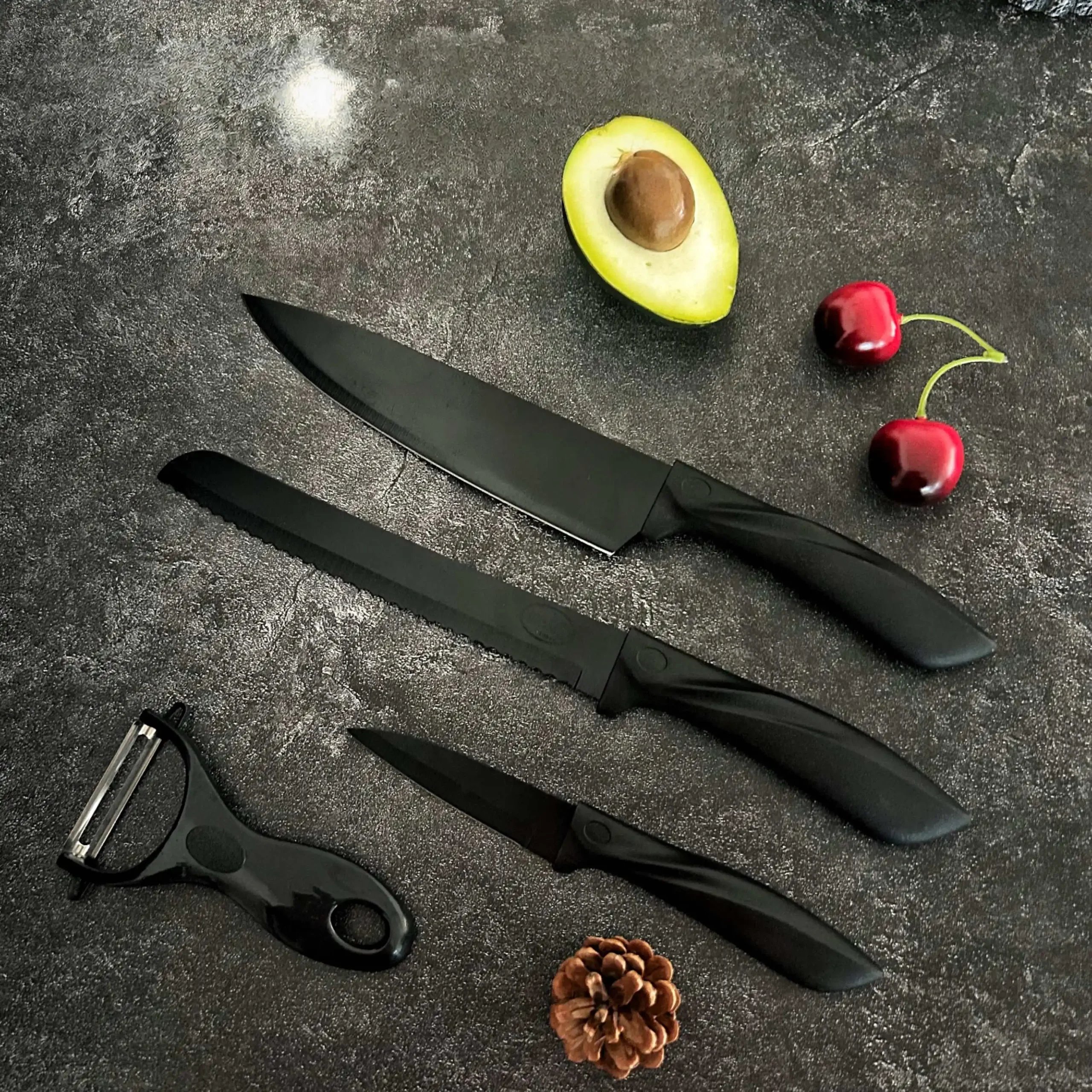
High Quality Professional Kitchen Chef Knife Set Household Multifunctional Scissors Bread Cutting Kitchen Knife Set
For a reliable all-in-one set, consider the High Quality Professional Kitchen Chef Knife Set Household Multifunctional Scissors Bread Cutting Kitchen Knife Set, which covers the essential blades for everyday cooking.
Frequently asked questions
What is the most important kitchen knife?
The chef’s knife is the most versatile and commonly used. An 8-inch chef’s knife can handle chopping, slicing, and dicing for most tasks.
How often should I sharpen my kitchen knives?
It depends on use. For home cooks, sharpening every 2-3 months is typical. Hone weekly with a steel to maintain the edge between sharpenings.
Are expensive knives worth it?
Generally, yes, for better materials and construction. However, a mid-range knife with proper care can perform just as well for most home cooks.
Can I put kitchen knives in the dishwasher?
It’s not recommended. The heat and harsh detergents can damage the blade and handle. Hand washing and drying immediately is best.
