
Blog
Best Kitchen Knives: Your Guide to Essential Blades
Knife Guide
Finding the Best Kitchen Knives for You
Choosing the best kitchen knives can transform your cooking experience. Whether you’re a seasoned home cook or just starting out, the right blade makes every slice safer and more enjoyable.
Why a Good Kitchen Knife Matters
A sharp, well-balanced knife isn’t just a tool—it’s an extension of your hand. It reduces effort, prevents accidents, and makes prep work a pleasure. Investing in quality knives pays off in durability and performance.
Types of Kitchen Knives You Actually Need
You don’t need a block of twenty. Start with these essentials:
- Chef’s knife (8-10 inches): Your go-to for chopping, slicing, and dicing.
- Paring knife (3-4 inches): For peeling and small, precise cuts.
- Bread knife: Serrated edge for crusty loaves and tomatoes.
- Utility knife: A versatile mid-size blade for various tasks.
Blade Materials: Carbon vs. Stainless Steel
Carbon steel takes a razor edge but requires care to avoid rust. Stainless steel is low maintenance but may not hold an edge as long. High-carbon stainless steel (like 14C28N) offers a happy medium—easy to sharpen and resistant to corrosion.
Handle Comfort and Safety
Look for ergonomic handles that provide a secure grip, even when wet. Materials like polypropylene (PP plastic) are lightweight, durable, and easy to clean. A full tang (metal extending through the handle) adds balance and strength.
Knife Edge Types: Straight vs. Serrated
Straight edges are best for clean cuts on vegetables and meat. Serrated edges grip and saw through tough surfaces. Most home cooks benefit from a straight-edged chef’s knife and a serrated bread knife.
How to Choose the Right Knife for You
Consider your cooking style and hand size. A heavier knife does more of the work for you, while a lighter one offers control. Visit a store to hold different models if possible. Read reviews from trusted sources.
Caring for Your Kitchen Knives
A good knife lasts decades with proper care:
- Hand wash and dry immediately—dishwashers dull blades and damage handles.
- Use a wooden or plastic cutting board; glass or stone will blunt your edge.
- Store in a knife block, magnetic strip, or blade guard.
- Hone regularly with a steel and sharpen when needed.
When to Upgrade Your Knife Set
If your current knives struggle to cut a tomato, it’s time. A single high-quality chef’s knife can replace a drawer full of dull blades. Look for a trusted brand with good heat treatment and a comfortable handle.
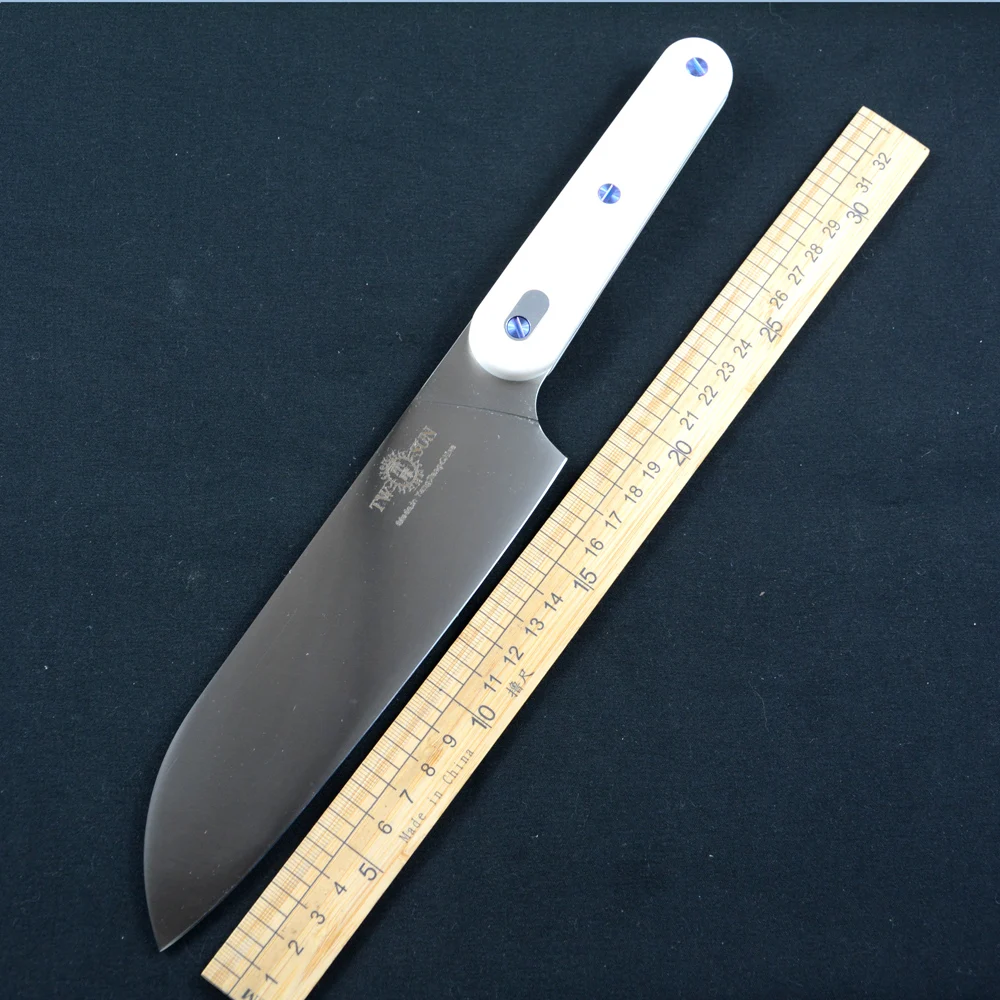
TWOSUN Chef knife 12.6 Inches 14C28N Blade White PP Plastic Handle Utility Kitchen Knives
For a reliable everyday blade, the TWOSUN Chef knife 12.6 Inches 14C28N Blade White PP Plastic Handle Utility Kitchen Knives offers a sharp, balanced feel without breaking the bank.
Frequently asked questions
What is the best kitchen knife for a beginner?
An 8-inch chef’s knife is the most versatile and forgiving. Look for one with a comfortable handle and a blade that holds its edge without being too heavy.
How often should I sharpen my kitchen knives?
It depends on use, but most home cooks sharpen every 2-3 months. Hone with a steel weekly to maintain the edge between sharpenings.
Is a full tang knife better?
Yes, full tang knives offer better balance and durability. The metal extends through the handle, making the knife stronger and more stable.
What is the difference between a chef’s knife and a Santoku?
A chef’s knife has a curved edge for rocking cuts, while a Santoku has a straighter edge for up-and-down chopping. Both are great, but the chef’s is more traditional for Western cooking.
