
Blog
The Best Kitchen Towel: A Complete Buying Guide
Kitchen Essentials
Find Your Best Kitchen Towel Today
Looking for the best kitchen towel can feel overwhelming with so many options, but we’re here to simplify your search with practical tips and honest advice.
Why the Best Kitchen Towel Matters
A great kitchen towel does more than dry dishes—it’s a daily workhorse that can make cooking and cleaning more enjoyable. The best kitchen towel absorbs spills quickly, dries without leaving lint, and holds up wash after wash. Whether you’re wiping countertops or handling hot handles, the right towel saves time and frustration. In this guide, we’ll walk you through key features to consider so you can confidently pick the best kitchen towel for your needs.
Absorbency: The Core Feature of a Best Kitchen Towel
Absorbency is the top priority when choosing the best kitchen towel. Look for materials like cotton, linen, or microfiber that soak up water fast. A highly absorbent towel reduces the number of cloths you need and speeds up drying. For example, terry cloth loops hold more liquid, while flat-weave cotton dries quickly. To test absorbency, check the fabric’s weight and weave—denser towels generally perform better. Remember, the best kitchen towel should leave surfaces dry with one swipe.
Durability and Longevity
No one wants a towel that falls apart after a few uses. The best kitchen towel is built to last through frequent washing and heavy use. Look for reinforced seams, strong fibers like long-staple cotton, and tightly woven fabrics. Avoid thin or loosely woven towels that fray easily. A durable towel maintains its shape and softness over time. Investing in quality saves money in the long run because you won’t need to replace them often. Check reviews for feedback on how towels hold up after multiple cycles.
Drying Speed and Lint-Free Performance
A towel that dries quickly prevents musty smells and bacterial growth. The best kitchen towel should be made from materials that air dry fast, like linen or waffle-weave cotton. Lint is another concern—nobody wants fuzz on their glassware. Choose towels labeled lint-free, especially if you dry fine china or stemware. Microfiber is excellent for streak-free drying but may not feel as soft. For a balance, consider a cotton-polyester blend. Quick-drying, lint-free towels are essential for a clean kitchen.
Size and Versatility
Kitchen towels come in various sizes, from small hand towels to large dishcloths. The best kitchen towel for you depends on your tasks. Larger towels (like 20×28 inches) are great for drying dishes or covering dough, while smaller ones (like 10×10 inches) work well for quick wipe-ups. Multi-purpose towels can handle both wet and dry jobs. Think about your kitchen layout: do you need a towel to hang on the oven handle or one to fold over your shoulder? Versatile sizes reduce clutter.
Material Choices: Cotton, Linen, Microfiber, and More
Each material offers unique benefits. Cotton: soft, absorbent, and widely available—a classic choice for the best kitchen towel. Linen: highly absorbent, quick-drying, and lint-free, but can be rough initially. Microfiber: excellent for cleaning and streak-free drying, but less soft. Bamboo: eco-friendly and naturally antibacterial. Blends: combine best traits, like cotton-polyester for durability. For more on textile properties, visit Wikipedia’s textile page. Your choice should match your priorities: if you value eco-friendliness, go with organic cotton or bamboo.
Design and Aesthetics
Your kitchen towel can double as decor. The best kitchen towel often comes in colors and patterns that brighten your space. From classic stripes to playful prints, there’s a style for every kitchen. Consider how the towel complements your existing design—neutral tones hide stains better, while bold patterns add personality. If you entertain often, choose towels that look good on display. Remember, a well-chosen towel can be both functional and decorative.
Care and Maintenance Tips
To extend the life of your best kitchen towel, wash it in warm water with mild detergent. Avoid fabric softeners, as they reduce absorbency. Bleach can weaken fibers, so use it sparingly. Dry on low heat or air dry to prevent shrinkage. Replace towels when they become frayed or lose absorbency. Proper care ensures your towels stay fresh and effective for months.
Eco-Friendly Options
If sustainability matters to you, look for the best kitchen towel made from organic cotton, linen, or recycled materials. These options reduce environmental impact and are often free from harmful chemicals. Some brands offer compostable or biodegradable towels. Choosing eco-friendly towels supports a healthier planet and often provides high-quality performance. Check certifications like OEKO-TEX or GOTS for assurance.
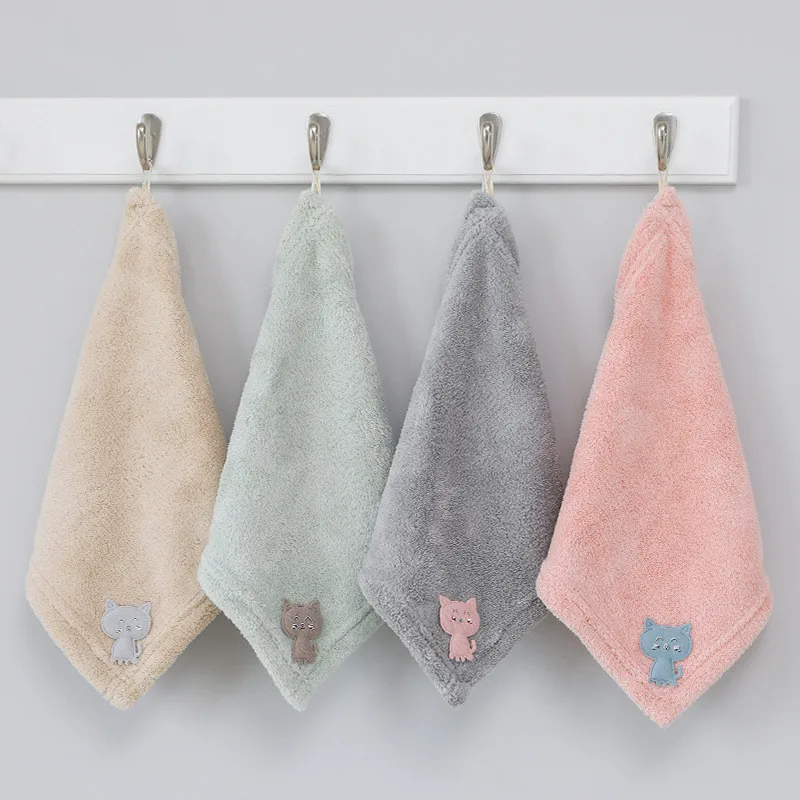
1Pc 25x25cm Small Square Cartoon Animal Hand Towel Wall Hanging Super Absorbent Kitchen Coral Fleece Dishcloth
For a fun and practical option, consider the 1Pc 25x25cm Small Square Cartoon Animal Hand Towel Wall Hanging Super Absorbent Kitchen Coral Fleece Dishcloth—it’s compact, cute, and surprisingly effective for quick tasks.
Frequently asked questions
What is the most absorbent material for a kitchen towel?
Cotton, especially terry cloth or waffle weave, is highly absorbent. Linen also absorbs well and dries quickly.
How often should I replace kitchen towels?
Replace them every few months or when they show signs of fraying, odor, or reduced absorbency.
Can I use the same towel for drying dishes and cleaning counters?
It’s best to have separate towels to avoid cross-contamination. Use one for clean dishes and another for spills.
Are microfiber towels safe for non-stick pans?
Yes, microfiber is gentle and won’t scratch non-stick surfaces, but avoid using abrasive scrubbers.